The True Cost of Retail Markups Explained
Retail markup explained in plain numbers, why the price on the shelf runs so high, and how direct from factory pricing changes the math for creators.
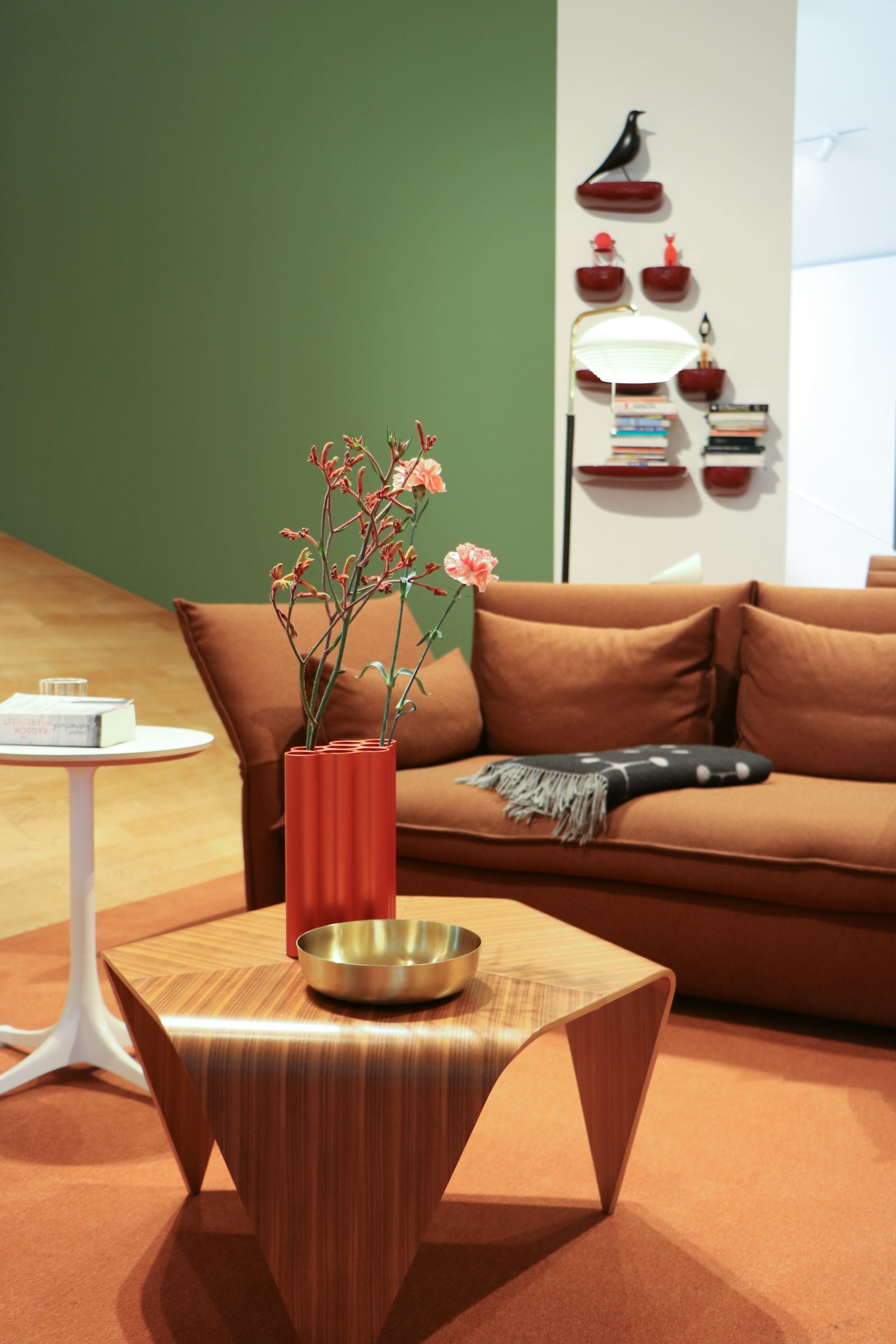
Walk into a furniture store and pick up the tag on a sofa. Two thousand dollars. The factory that built it probably sold it for somewhere between six and eight hundred. So where did the rest go? That gap is the whole story, and once you understand why retail is marked up so much, you can never quite look at a price tag the same way again. It is not one greedy retailer. It is a chain of hands, and each one takes a cut.
Every hand in the chain takes a slice
A physical product rarely goes straight from the people who make it to the person who buys it. It moves through layers, and each layer adds price without adding much you can feel. According to distribution analysts at PROS, a manufacturer sells to a distributor and adds 15 to 20 percent over its production cost. The distributor stores it, ships it, and marks it up another 20 to 40 percent. A wholesaler buys in bulk and adds its own margin. Then the retailer, the last stop before you, makes the biggest jump of all. In apparel that final retail markup is commonly 100 percent, the practice the industry calls keystone pricing, which just means doubling the cost. As Inventory Source lays out, a product that costs 12 dollars to make can pass through those hands and land on a shelf at 35, and none of the increases came from making the product better.
Furniture is where it gets loud. Industry pricing guides put standard furniture retail markups at 100 to 200 percent over wholesale, and accent pieces and home decor accessories often run 200 to 400 percent. Retailers often buy at well below half of the suggested retail price, which tells you how much room is built into that final number.
What all that markup pays for
The markup is not pure profit. It pays for showroom leases in expensive corridors, sales staff on commission, regional warehouses, and seasonal markdowns on the pieces that did not sell. Furniture turns over slowly, so a store is financing a floor full of inventory that might sit for months. But look at the outcome. Furniture retailers routinely post gross margins of 40 to 60 percent, yet net profit margins land around 3 to 6 percent once all that overhead is paid. The customer funds a giant markup, and the store still barely keeps a sliver of it. The traditional model is expensive for the shopper and thin for the seller at the same time.
Retail markup without the middlemen
Now take those layers out. Direct from factory pricing means the person selling the product is also the person who had it made. No distributor cut, no wholesaler cut, no retailer keystone on top. The savings do not disappear, they get split between a lower price for the customer and a real margin for the brand. This is the premise behind the direct to consumer wave in home goods. As Business of Home reported, the model strips out the markups baked into shipping, marketing, and retailing, then passes the savings along while the maker keeps a modest profit. A 20 percent discount off traditional pricing is about as far as most direct brands go, because that is already lower than a standard keystone retail markup while still leaving the founder a healthy cut. You do not need to gut your margin to beat the store, because the store's own inefficiency does most of the work for you.
That is the difference between wholesale and retail thinking. In the old chain, the wholesale price is a secret floor and the retail price is what the customer is allowed to see. Going direct collapses the two, so you know exactly what the product cost to make and decide what to charge on top.
Why transparent pricing is an advantage
Transparent pricing is a structural fact when there are no hidden layers to hide. If the only numbers in the equation are what the factory charged and what you added, you can show your customer the math and it holds up. At No Logo the production margin is a flat 25 percent, stated up front, no surprise fees and no inventory you have to buy before you sell a single unit. The founders behind No Logo learned this running their own direct from factory furniture brand. The margin that a traditional chain scatters across four middlemen can instead go to the person who made the product and the person who built the audience for it.
What this means when you set your price
You are not out-muscling a store on volume, you are skipping the cost structure that forces it to charge what it charges. Picture the No Logo example. A product costs 100 dollars to manufacture. The production margin adds 25, so your all in cost is 125. You sell it at 200. You keep 75 per unit, and your customer pays a price that would be hard for a traditional retailer to match, because that retailer has to feed the distributor and the wholesaler and the showroom before it thinks about profit. This is why direct sellers can hold 30 to 50 percent margins where affiliate deals leave 5 to 8. You own the spread instead of renting a slice of someone else's.
Oskar Flodstrom is the proof most people point to. He built a pill bottle shaped side table in a rented room under a freeway, priced it at 225 dollars under his brand erik oskr, and did 150,000 dollars in sales in two weeks with no store, no distributor, and no markup stack between him and his buyers. The full breakdown is in Oskar's story.
Choosing that number is its own subject. Start with how to price a product you manufacture, and if you are weighing whether to hold real inventory at all, dropshipping vs manufacturing your own products lays out which path builds you an asset. Retail is expensive because a lot of people have to get paid on the way to the shelf. Cut the trip short and that money feeds you and your customer instead. To see what that looks like for your product, get in touch with the No Logo team and talk the numbers through.