How Creators Turn an Audience Into Product Sales
Real creator product brand examples, the shared patterns behind the wins, and why a small engaged audience can outsell a huge one when you own the product.
A chocolate bar made more money than the biggest channel on YouTube. In 2024 MrBeast's Feastables did around 250 million dollars in sales and more than 20 million in profit, while his media business pulled similar revenue and lost close to 80 million. Fortune and Bloomberg both reported it. The candy outearned the content.
That is the modern creator economy in one line. Attention is the front door. The product is the house. And the best creator product brand examples we have are not lucky accidents. They share traits you can copy, whether you have four million followers or four thousand.
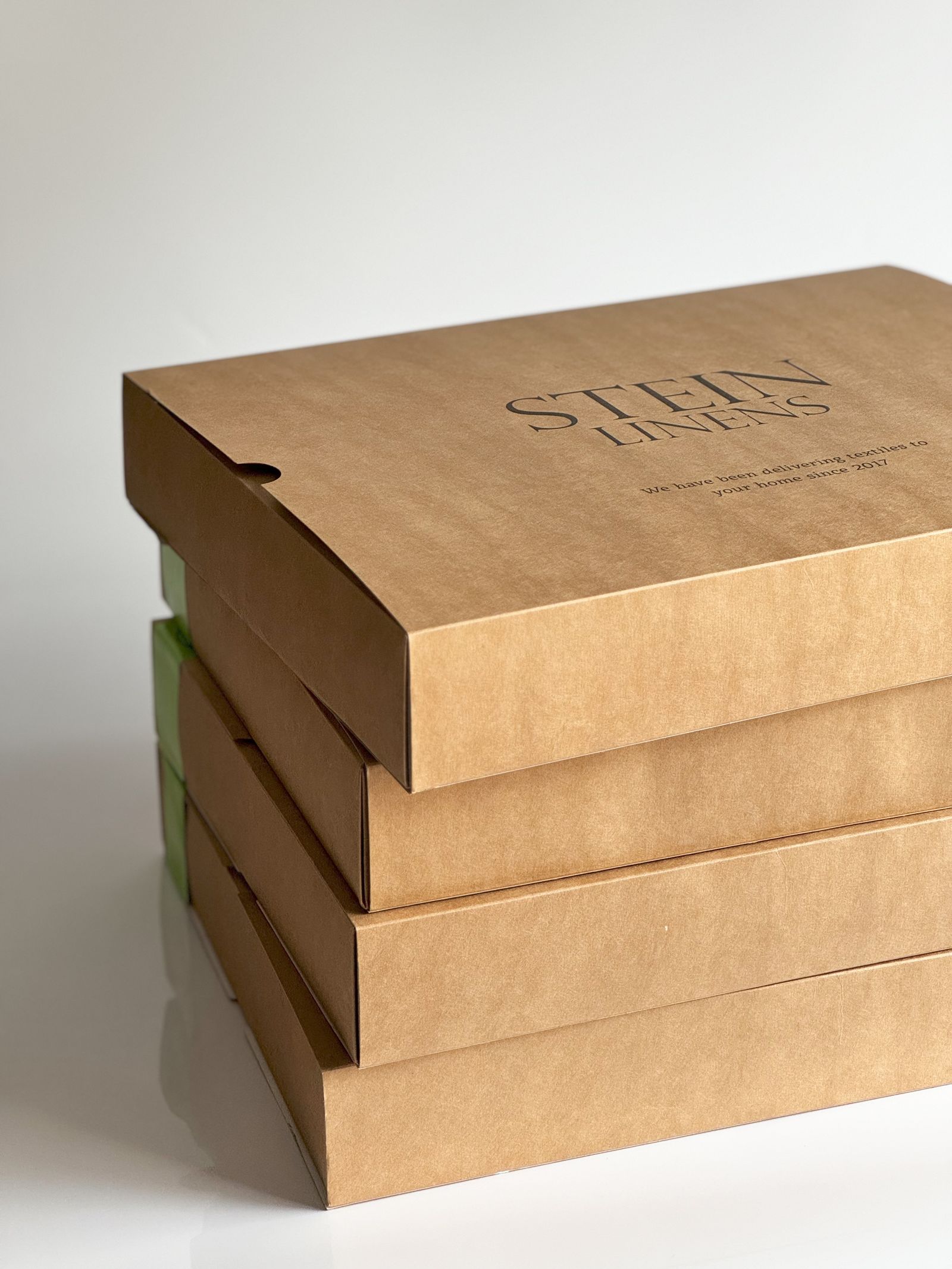
Every durable creator brand ends up here, packing real orders for real customers.
The examples worth studying
Feastables is easy to wave off as a MrBeast thing, but look at what he built. The 2022 launch moved a million bars in 72 hours behind a golden ticket promotion, then the brand did the unglamorous work of getting into more than 30,000 stores. He priced it to sit next to Hershey's and made a product people would rebuy without the video. The audience got him on the shelf. The product kept him there.
Emma Chamberlain did a quieter version. Chamberlain Coffee grew from a YouTuber's side project into a company that did roughly 22 million dollars in 2024 and projected around 33 million for 2025, per CEO Today and Hustle Fund. She stepped in as co-CEO in 2024 and made an unsexy call, trimming SKUs and pushing toward profitability instead of a growth headline. The coffee has to be good enough that someone who has never seen her videos buys the second bag. Two very different audiences, same pattern. Real product, real ownership, and a founder who kept showing up after launch day.
The pattern behind the wins
Strip away the follower counts and the winners rhyme. First, trust that transfers. The question is not how many people follow you, it is how many would take your recommendation to the checkout page. Second, a product that fits the person, the thing your audience already watched you make or use. Third, actual ownership. A sponsorship pays once. An affiliate link pays a thin slice, often 5 to 8 percent, and the customer belongs to someone else. Owning the product flips that. You set the price, keep the margin, and the customer relationship is yours to sell to again. We broke down that trade in affiliate marketing versus owning your brand.
Small creators can win too
Follower count is barely part of the story. Oskar Flodstrom moved to Los Angeles to be an artist, taught kids swim lessons for about 1,400 dollars a month, and built furniture in a 120 square foot room under an interstate. He posted a video of a mirror he made and it hit a million views. Then he filmed a pill bottle shaped hamper he bent out of acrylic he found on the side of the road, and that did half a million views. At that point he had 4,000 followers. Not 4 million. Four thousand.
No Logo saw the hamper video and sent him a DM. He submitted a sample, the factory network turned it into a finished product with no capital and no minimums from him, and he launched a real brand called erik oskr. Day one revenue was 50,000 dollars. Two weeks in the store had done 150,000 dollars, and Oskar personally took home 34,000, roughly two years of his old income. The full story lives in Oskar's case study.
He is not a fluke. Forbes reported in 2025 on a wave of small creators outselling much larger influencers, the common thread being 10 to 20 thousand followers and a genuinely engaged community rather than raw reach. None of them have a stadium. They have a room full of people who actually listen.
Merch drop versus a brand that lasts
A merch drop and a product brand look identical for about a week, then diverge hard. A merch drop is a spike. You put your logo on a hoodie, your fans buy it out of loyalty, and the graph goes up and then flat. It is a tip jar, not a company. A durable brand is genuinely good on its own, so people rebuy without the emotional pull, the margins are real, closer to 30 to 50 percent than the thin cut you get renting your audience, and there is a roadmap past the first item. The trap is treating launch day as the finish line. It is the starting gun.
The gap most creators never cross
So why doesn't every creator with a warm audience do this? Because the middle is brutal. Sourcing a factory, hitting minimum order quantities, funding inventory before a single sale, sorting out shipping and returns and customer service. That is where most people quit and go back to affiliate links. That gap is the entire reason No Logo exists. Creators bring the idea and the audience. The platform handles manufacturing, fulfillment, and support, on a transparent 25 percent production margin with no upfront inventory, so you own the brand instead of renting your influence. You can see exactly how No Logo works end to end. So far that has meant 41 creator brands, more than 39 million combined followers, and over 20 million dollars in products sold.
If you have an audience that trusts you and an idea for something they would actually buy, the next move is to figure out what to make first. Start with what product should you launch first, then start a project with no obligation. The candy already beat the content. Your move.