What to Look For in a Manufacturing Partner
How to find a manufacturing partner who is on your side, the questions to ask a manufacturer before you sign, and red flags that expose a bad deal.
The quote looks great until you read the fine print. Learning how to find a manufacturing partner is less about who sends the lowest per unit price and more about who tells you the truth when the answer costs them something. Price is easy to compare. Honesty is not. The partner who quotes you the friendliest number is often the one hiding the most in the parts of the deal you did not think to ask about. The questions below separate a partner from a vendor. Good answers sound specific and a little inconvenient for the person giving them. Bad answers sound smooth.
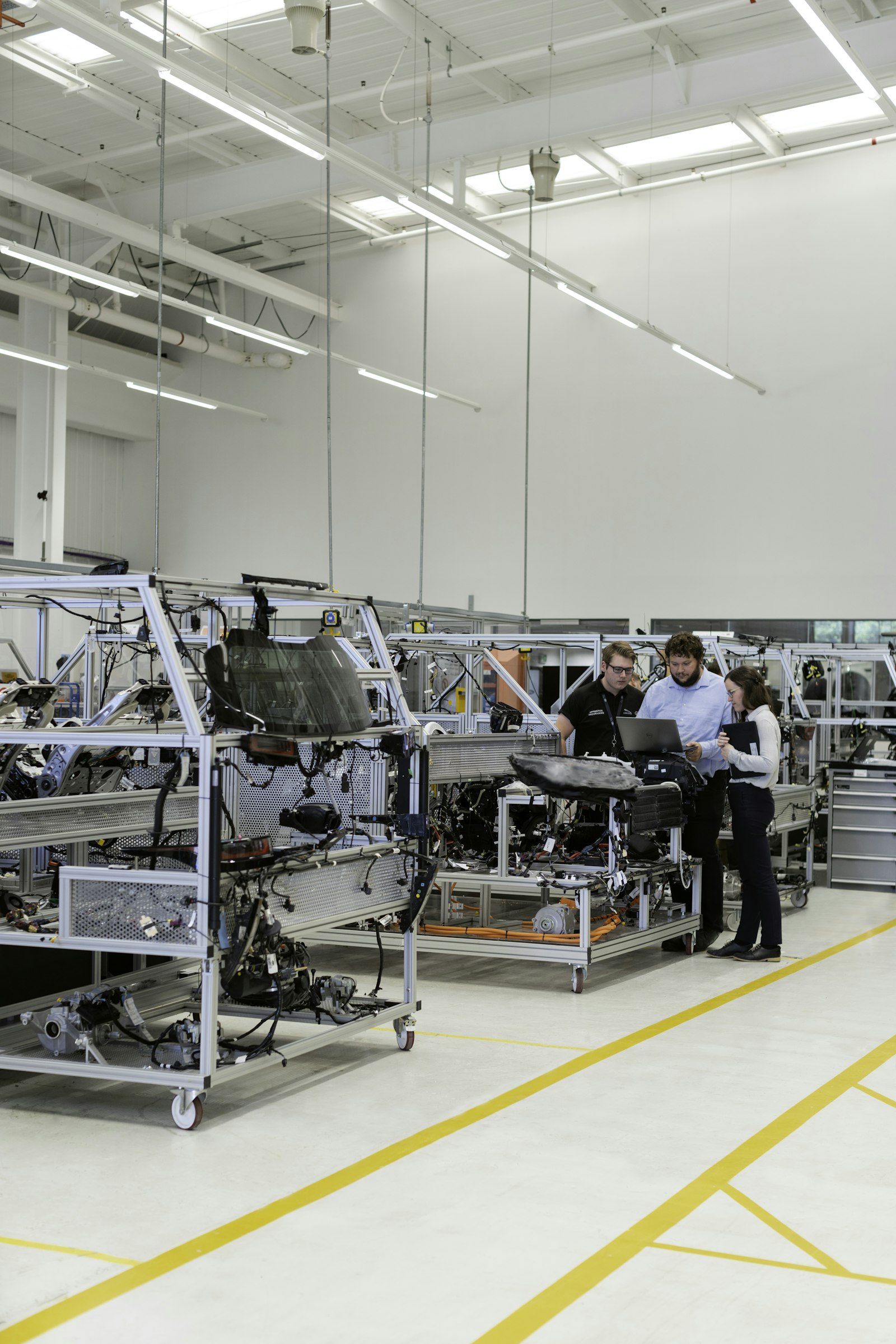
The right partner puts you in the room with the people who actually build the thing, not just a sales contact.
Who owns the brand, the designs, and the molds
Start here, because everything else is downstream of it. If you fund a custom product, you should walk away owning the intellectual property, the artwork, and the tooling that makes it. That is not automatic. In many places, unless your contract says otherwise, the party that creates the work can keep rights even if you paid for it, so get ownership in writing and confirm the details with a qualified IP attorney. A mold you paid for can legally sit in a factory that uses it to produce for someone else.
This is not a rare horror story. Sourcing consultants describe cases like a brand paying 200,000 dollars to retrieve tooling it had bought for 80,000 dollars eight months earlier, all because no ownership clause existed up front. So ask the partner directly. Who owns the designs when we are done. Who owns the mold. Can you use it for another client. A partner who is on your side answers in one sentence and it is your name. A partner who hedges just told you everything.
Questions to ask a manufacturer about price
The number on the quote is rarely the number you pay. Contract manufacturing is full of line items that show up after you have committed. Tooling and setup fees. Non recurring engineering charges. Material markups that run 18 to 35 percent above what the raw stock actually costs. Change order rates, inspection charges, packaging that was never in the original figure.
None of those are scams on their own. They become a problem when nobody names them until the invoice lands. So make the partner name them. Ask what setup and tooling cost, in writing. Ask what a design change costs after production starts. Ask what markup sits on materials, and ask to see the fees broken out from labor instead of blended into one round number. A real partner hands you the breakdown before you ask twice. This is also why understanding your own numbers matters before you get a quote, and we walked through that in how to price a product you manufacture. If you know your target cost, you can spot a padded one.
Minimums and who carries the inventory risk
Minimum order quantity is where a lot of first products die. Traditional manufacturers set a floor because short runs are not economical for them, and that floor can be hundreds or thousands of units. For true cut and sew apparel, a hundred pieces is often the practical minimum, and dropping below that can add a 20 to 40 percent cost premium on top.
Here is the trap. A high minimum forces you to buy inventory before you have proof anyone will pay for it. You front the cash, you fill a garage, and you carry the risk of guessing wrong. The question to ask is simple. What do I have to buy before I sell anything. If the answer is a big number, you are absorbing the risk. A partner built for zero to one runs the opposite way, producing to real demand so you are not sitting on stock you hoped would move. No upfront inventory commitment is not a perk. It is the whole point.
How to vet a factory on quality
You cannot judge quality from a website. You judge it from a sample and from how the partner talks about their own process. When you vet a factory, the strongest signal is whether they will put you in touch with the people who actually build the product, or whether every message routes through a single sales rep who keeps you away from the floor. That gatekeeping is a classic sign of a middleman posing as a manufacturer.
Ask how they check quality. A vague answer like we inspect everything before shipping tells you they do not have a real system. A good answer names a documented multi stage process, in house testing, and a willingness to share inspection reports. Ask whether they work to AQL standards, and ask references narrow questions about on time delivery and whether the bulk run matched the sample. Then get a sample and read the timeline. A factory that turns a clean sample in two to three weeks tends to run a smooth bulk order. One that drags a sample past six weeks is showing you your future.
Choosing a fulfillment partner and what happens after the sale
Making the product is half of it. The other half starts the moment a customer clicks buy. Choosing a fulfillment partner means looking hard at warehousing, pick and pack, shipping rates, returns, and whether their systems actually plug into your store. The third party logistics market crossed 1.3 trillion dollars in 2025 for a reason. This work is heavy, and doing it badly shows up as one star reviews. No Logo does not run last mile fulfillment for you, so this is a separate partner you either already have or are choosing alongside your manufacturer.
Ask any fulfillment provider about the unglamorous parts. Shipping options and carrier rates. How they handle a return and what reverse logistics costs. What service levels they commit to for shipping speed and order accuracy, and whether those are written into an agreement or just promised on a call. We went deep on this in fulfillment, logistics, and support. Ask your manufacturer the same kind of question. What happens when a run comes back flawed, how defects get caught before they leave the factory, and who eats the cost. A true manufacturing partner catches problems on the line so a bad unit never reaches your warehouse, let alone a customer.
What a real partner looks like
Line the answers up and a pattern shows. The partner you want owns none of your brand and hides none of your costs. They let you start without a warehouse of inventory. They put you in front of the people who build the thing, share their quality process, and stand behind the product after it ships. They make money when you make money, not before.
That is the model we built No Logo around. A flat 25 percent added on top of the true cost with no hidden margins anywhere, no upfront inventory, quality checked production, and your brand staying fully yours from the first sketch through to the finished inventory that arrives at your door. It is how Oskar Flodstrom launched the furniture brand erik oskr from a 4,000 follower base with no capital and no minimums, and you can read how that came together in Oskar's story.
If you have a product idea and you are weighing partners, ask us every question on this page. The good ones want you to. When you are ready, start a project with No Logo.