How to Launch a New Product Line for a Brand
How to launch a new product line by picking the right second product, validating demand with your customers, and launching without a big inventory bet.

You have one product that works. It sells, the reviews are good, and customers keep asking what else you make. That question is the whole reason to read this. Knowing how to launch a new product line is what turns a single hit into a brand people come back to. But a second product is not a smaller version of the first launch. It carries its own sourcing, its own sampling, and its own inventory bet, and getting any of those wrong can eat the margin your hero product built. The goal here is not to talk you into expanding. It is to help you expand without putting the business you already have at risk.
Why a second product is what builds the brand
One product is a transaction. A line is a relationship. When a customer can buy a second and third thing from you, your acquisition cost gets spread across more revenue, your repeat rate climbs, and the brand starts to mean something beyond a single item.
The catch is that most launches do not survive. Roughly 30,000 new consumer products hit the United States market every year, and only a fraction are still selling two years later. NielsenIQ reported that about one third of the more than 3,500 new brands launched across five European markets in 2025 made it past initial trial. Line extensions do a little better than brand new products, but not by as much as founders assume.
There is a useful signal in why they fail. A study in the Journal of Product and Brand Management, from the Ehrenberg-Bass researchers, compared 7,195 line extensions still selling three years after launch against 5,294 that died inside the first year. The survivors were not the ones with more loyal fans. They were the ones that reached more new buyers early. For your second product, the win is getting it in front of enough people fast, not squeezing your existing superfans harder.
How to choose the right next product
The wrong instinct is to pick whatever is easiest to make. The right question is what your existing customers would naturally buy next.
Start with three inputs you already have. Your reviews and support tickets tell you what people wish your product did or came with. Your best sellers tell you which style, material, or use case your audience responds to. And your own adjacency tells you what sits one step away from the thing you already sell, close enough that the same buyer wants it, different enough to be worth a separate purchase.
If you sell one strong candle, the next product is probably not a jacket. It might be a refill, a matching holder, or a second scent your reviews already ask for. Resist launching five things at once. One well chosen second product teaches you how expansion works before you spread cash and attention thin. If you are still deciding what belongs first, our framework on what product to launch first applies just as cleanly to product two.
Validate demand with the customers you already have
You are not starting from zero this time, and that is your biggest advantage. You have an email list, a following, and a base of people who already paid you once. Use them to prove the second product before you fund it.
The cleanest way is a presale. Put the new product in front of your list with real photos or a finished sample, take orders or deposits, and watch what happens. PreProduct, which builds preorder tooling for ecommerce brands, points to preorders as a standard way high growth DTC brands de risk a launch and read true demand before committing to production. If the presale lands, you fund the run with money already in the door. If it does not, you just saved yourself a warehouse full of a guess.
Presale demand also tells you how much to order, the number that quietly decides whether the launch makes or loses money. For the mechanics of running one well, our guide on running a presale walks through it. Let the customers you already have vote with their wallets before you place the order.
Sourcing the new item without a year of dead ends
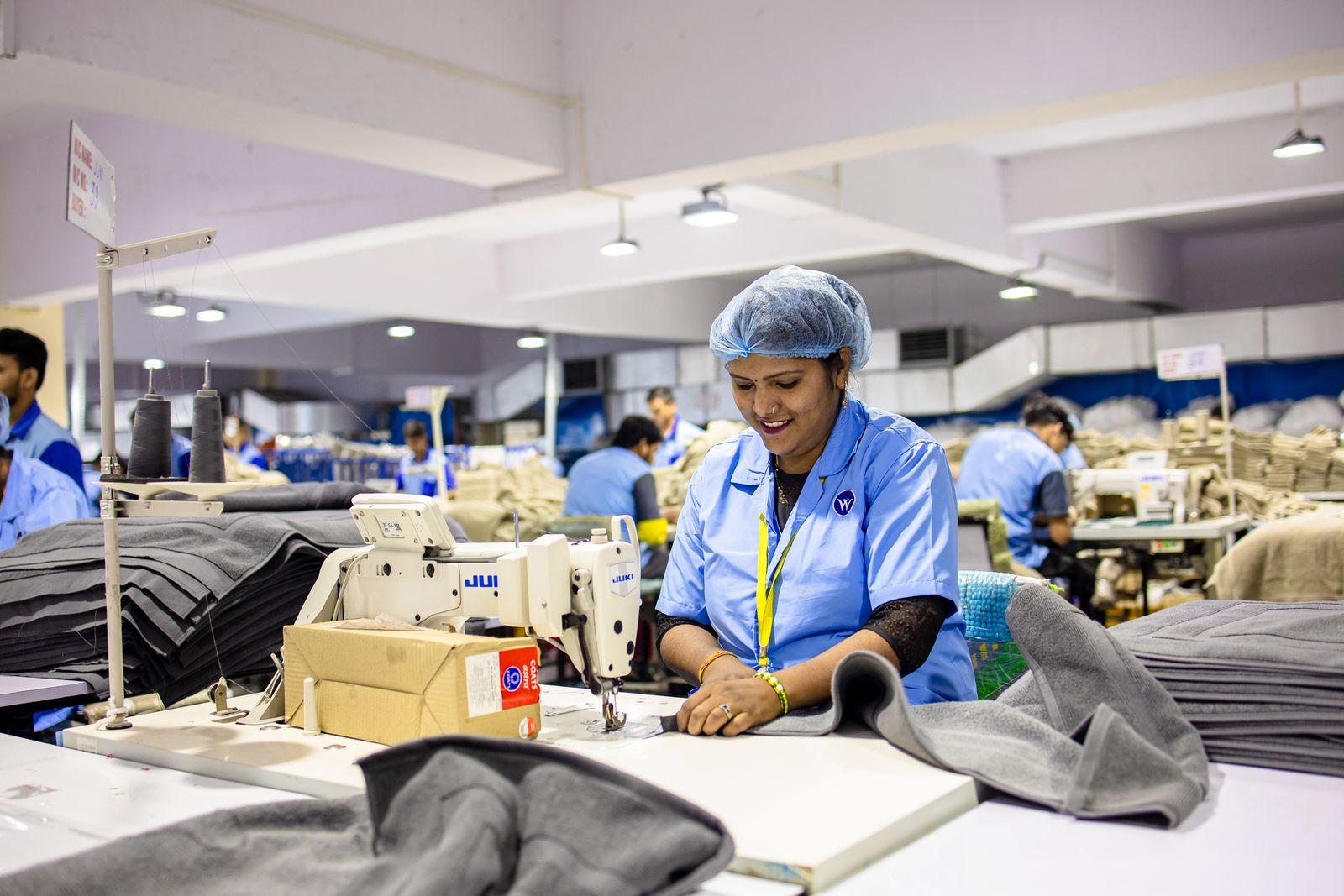
Here is where a second product stops feeling like a copy of the first. A new category often means a new factory. Different materials, different tooling, different minimums, different quality risks. The supplier who nails your hero product may have no business making the next one, and finding the one who can is the part that quietly burns months.
We watched one brand spend a full year trying to find a factory for a pants project. When that same founder brought the next product, a hoodie, to a network that already had the relationships and people on the ground in China, it was sourced and sampled in about two weeks. That gap is the real cost of sourcing a new line by yourself, and it almost never shows up in the plan.
Get a real sample in your hands before you commit. Feel the material, check the finish, put it in front of a few customers. A photo cannot tell you whether the second product lives up to the standard the first one set.
How to launch without betting the business
The most dangerous move in expansion is the big inventory order. To hit a decent unit cost, most factories want a minimum order quantity, so you wire real money for a product that has not sold a single unit yet. That cash sits as boxes. The analysts at Eightx estimate that holding costs run roughly 20 to 30 percent of the value of the inventory you carry. Bet wrong on a new line and that is the money you lose, on top of the attention it steals from the product that actually works. If you want the full picture, we cover it in how inventory ties up your cash.
The way out is to launch lean. Prove demand with a presale, order against what you can actually sell, and keep the first run small enough that a slow start is a lesson, not a crisis.
This is the case for adding a line through a partner that carries no upfront inventory. No Logo makes your product inside a vetted factory network, ships it, and handles support, on a transparent 25 percent production margin with no minimum order locking up your cash. You keep the brand and set the pricing. Because the sourcing and sampling are already handled, a second product becomes something you can test, not something you have to bet the company on. It is how Oskar Flodstrom launched the pill bottle side table under his brand erik oskr with no capital of his own and no minimums, and you can read the full story in Oskar's launch.
Expanding is how a good product becomes a brand worth building. It just should not put the thing that already works at risk. Start a project with No Logo when your next product is ready.