No Logo vs Alibaba, the Safer Way to Source a Product
No Logo vs Alibaba compared fairly for founders who want a safer, simpler way to source and manufacture a real product without the upfront inventory risk.
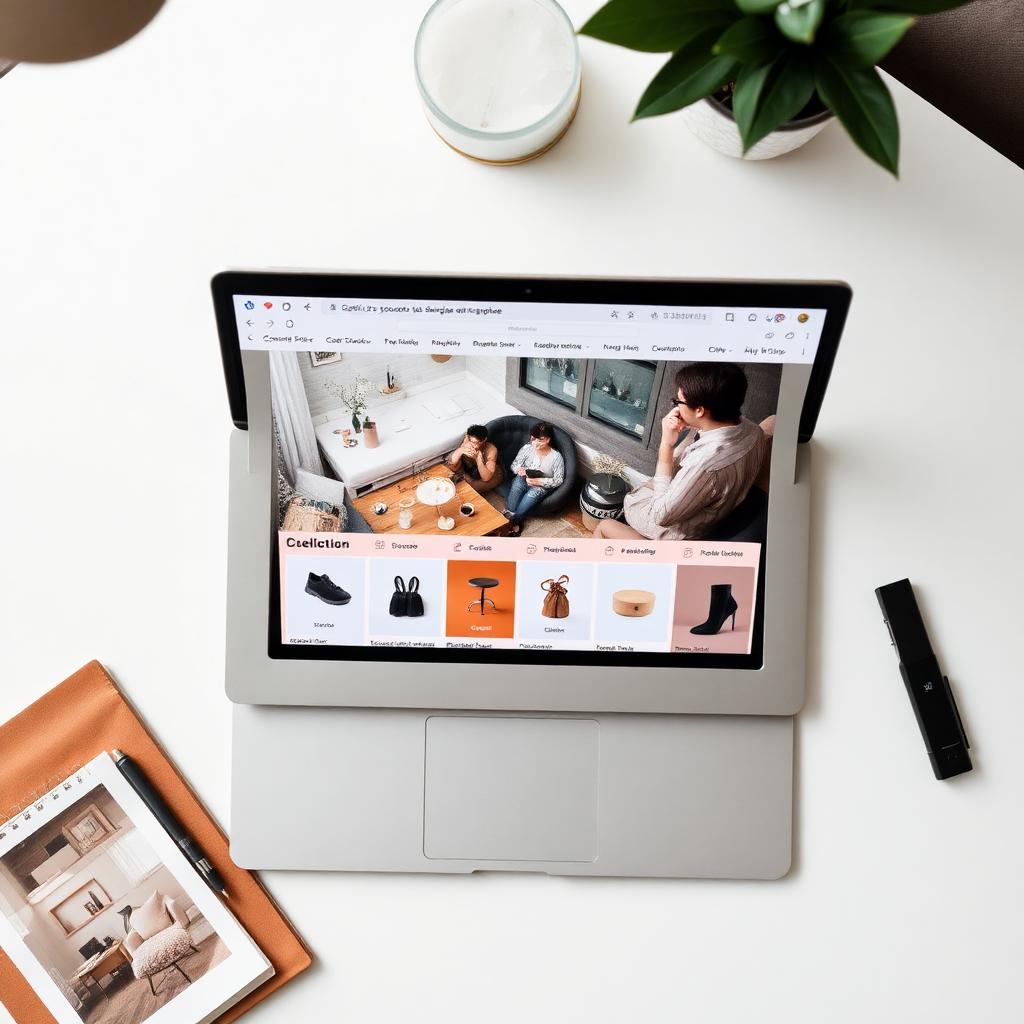
If you have ever typed your product idea into a search bar and stared at 400 near identical listings, you already understand the core of No Logo vs Alibaba. Alibaba is a marketplace. It gives you access to an enormous number of factories and then steps back. You do the searching, the vetting, the sample gambling, and the quality control yourself. No Logo is the opposite shape. It is a vetted factory network with people on the ground in China, so the vetting is already done and you get finished, quality checked inventory delivered to you without fronting a purchase order.
What Alibaba actually is
Alibaba is a business to business marketplace that connects buyers with mostly Chinese manufacturers and trading companies. Millions of suppliers, almost every category, and prices that look incredible on screen. Here is the part the price screenshots leave out. Alibaba is a directory, not a partner. When you find a supplier you like, everything after that first click is on you. You message five factories, compare quotes, chase replies across a twelve hour time difference, order and pay for samples, inspect what shows up, and carry the risk if the bulk run does not match the sample. According to sourcing guides like hisourcing, the stretch from first contact to a shipped order typically runs 2 to 6 weeks, and that is when things go smoothly.
Is Alibaba safe for small brands
Mostly, with caveats you need to understand before you wire money. A Verified Supplier badge means the supplier paid an annual fee and passed a basic third party check. It is a membership label, not a quality guarantee. Trade Assurance is more useful but narrower than it sounds. As Quality Sourcing From China explains in its 2026 guide, it protects the transaction, not the supplier. It covers on time shipment and the goods matching your written spec, and the money sits in escrow only until shipment, not until the product is in your hands.
The classic way small brands get burned is going off platform. After you negotiate, the supplier asks you to pay a personal bank account or a WeChat Pay wallet because their company account is temporarily frozen. The second you pay outside the system, every protection you thought you had is gone. Fakes have also gotten sharper, with AI generated product photos and doctored documents making bad listings harder to spot.
The sample and quality control burden
You cannot judge a factory from a listing, so you order samples. Sourcing guides suggest contacting 3 to 5 suppliers and paying for samples from each. Then comes the gap nobody warns you about. A good sample does not guarantee a good production run. The units a factory hand makes to win your order are not always the units that come off the line at 500 pieces. That is why experienced buyers pay for third party inspection before releasing final payment. Alibaba's own seller blog puts a typical inspection at 200 to 300 dollars on a 3,000 to 10,000 dollar order and calls it the single most effective way to avoid quality disputes. It works, and it is one more vendor you have to manage from thousands of miles away. We wrote a whole piece on getting a product sample made without losing money.
MOQs and the money you tie up
Minimum order quantity is the number of units a factory will make in one run. The good news for 2026 is that low MOQ has gotten more accessible, with the 100 to 500 piece range now common. The hard news is that even a low MOQ is real cash out of your pocket before you have sold a single unit. Then there are tariffs. Alibaba's seller resources describe how the 2024 to 2026 tariff cycle pushed effective duty rates on many ecommerce products imported into the US from near zero to 30 percent or more. Add it up and the Alibaba path asks for money at three separate points before launch. Samples, the minimum order, and inspection. If you want to go deeper, see MOQs and how to avoid huge upfront orders.
Where No Logo is different
No Logo is a vetted network of more than 60 factories with a team physically present in China and production hubs in New York, Shenzhen, and Los Angeles. The searching, vetting, and factory relationships that would eat weeks of your time are already done. You bring the idea or the product. The team handles materials, sampling, quality control, and production inside a network it already trusts, then ships finished inventory to you.
There is no inventory to pre buy. Pricing is a flat 25 percent added on top of the true cost, with no hidden margins. It is 20 cents on every dollar you spend, the same at sampling, production, and freight. You keep full control of your brand and your retail price. The contrast shows up most clearly in time. One founder came to No Logo after a full year trying to find the right factory for a pants project on his own. Because the network and the on the ground presence were already in place, his next product, a hoodie, was sourced and produced in about two weeks. Creator Oskar Flodstrom, founder of erik oskr, saw the other side of it, submitting a sample and launching a product that had no upfront cost to him at all, which you can read in Oskar's story.
No Logo vs Alibaba at a glance
| What you deal with | Alibaba | No Logo |
|---|---|---|
| Finding a factory | You search and shortlist yourself | Already vetted for you |
| Vetting suppliers | Your job, badges are not guarantees | Done, network is pre trusted |
| Samples | You order and pay several factories | Handled inside the network |
| Quality control | You book third party inspection | Handled on the ground |
| Upfront inventory | You pre buy the minimum run | None |
| Who owns the brand | You | You |
Alibaba wins on raw price per unit and on breadth if you are willing to become your own sourcing operation. If you have the time, the tolerance for risk, and the appetite to manage factories directly, it is a legitimate path. For most brands, founders, and creators, the years of factory access, the local presence, and the vetting are things you cannot build alone in a reasonable amount of time, and No Logo already has them. Whichever way you lean, start where the risk is lowest. Start a project and see a real version with no commitment.