How to Legally Reduce Tariff and Duty Costs
Learn how to reduce tariff costs the legal way, from product classification and valuation to country of origin and smarter sourcing that lowers your duty bill.
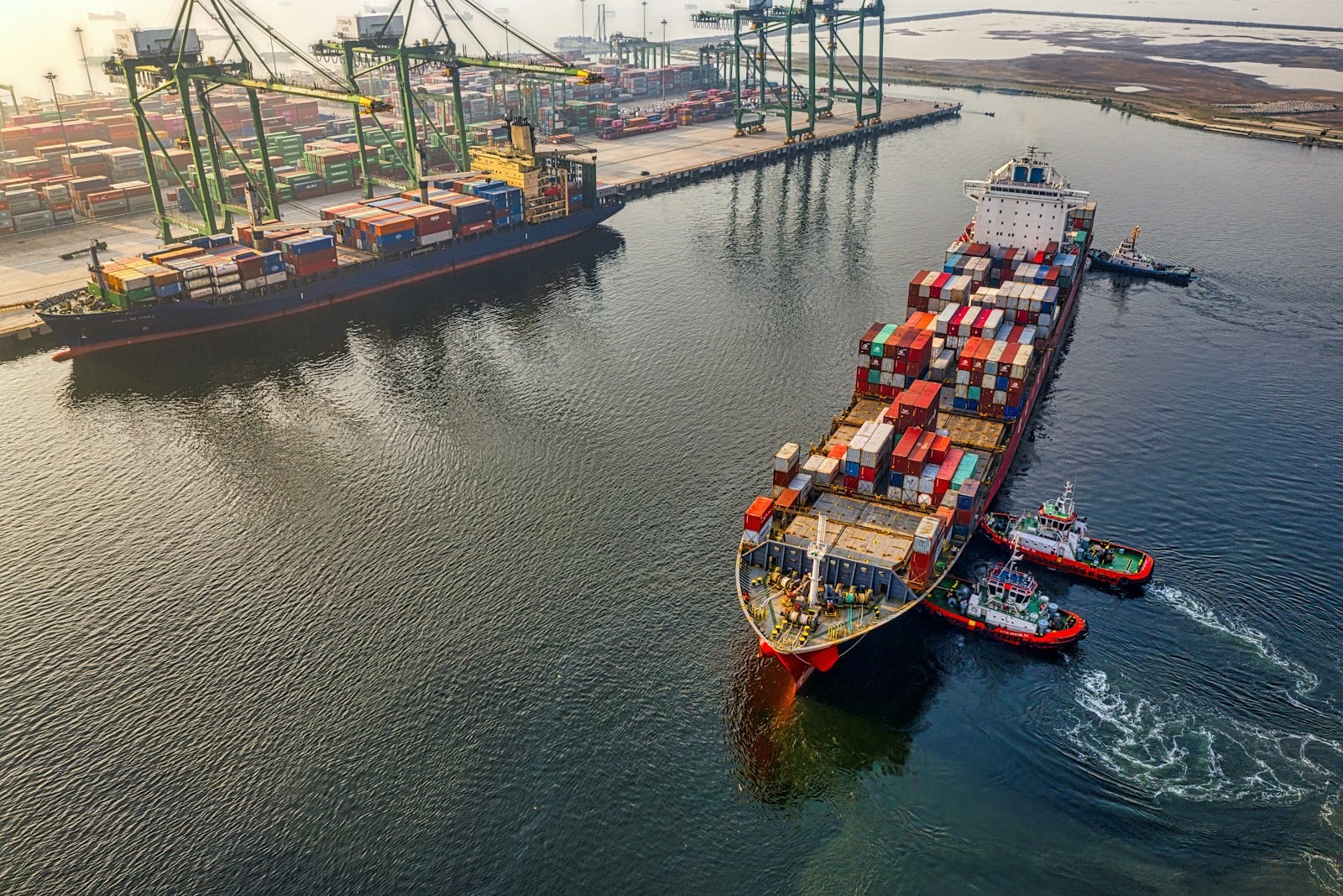
If you sell a physical product and import it, the number that keeps you up at night probably has a customs line on it. Duties used to be a rounding error for small brands. Not anymore. The old de minimis rule that let shipments under 800 dollars into the country duty free ended for China and Hong Kong on May 2, 2025, and for every other country on August 29, 2025. So 2026 is the first full year where basically every parcel gets taxed. Learning how to reduce tariff costs is now a core part of protecting your margin.
Here is the honest version. There is no magic button and no legal way to make a duty disappear. What exists is a set of legitimate levers that lower what you owe when you use them correctly, and all of them work better when a customs professional signs off before you file.
How duties actually get calculated
Customs and Border Protection sets your duty using three inputs. First, classification. Every product gets a ten digit code from the Harmonized Tariff Schedule of the United States, published by the U.S. International Trade Commission, and that code sets the base rate. Second, valuation. Duty is charged as a percentage of the declared value, so the value you enter matters as much as the rate. Third, country of origin, which decides which extra tariffs stack on top, including the Section 301 duties on Chinese goods that run from 7.5 percent up to 25 percent on most categories and much higher on a handful. Add the base rate, Section 301, and the newer layers together and the effective tariff on many Chinese imports in 2026 climbs toward a third of the shipment value.
Get your product classification right
This is the least glamorous lever and often the most valuable. A lot of brands are simply paying the wrong rate because someone picked an HTS code years ago and nobody checked it. A drawstring changes a code. Fabric blend changes a code. Whether a table ships assembled or flat changes a code.
Two things to do here. Search CBP's free CROSS database at rulings.cbp.gov to see how customs has classified products like yours. Then, if real money is on the line, request a binding ruling from CBP. It costs nothing, usually comes back within about 30 days, and once issued it legally binds customs to that classification at every port. That certainty is worth a lot when a single code decides whether Section 301 applies.
One caution. You are the importer of record, which means you are legally responsible for the code on the entry even if a broker chose it. Own that decision.
Lower the value you pay duty on with first sale
When your goods pass through a middleman before they reach you, the price you pay usually includes that middleman's markup, and you get taxed on the whole thing. The first sale rule lets you declare duty on the earlier, arm's length price the manufacturer charged, not the marked up price you paid.
The legal footing is real. It traces back to the federal court decision in Nissho Iwai American Corp. v. United States. But CBP scrutinizes these claims hard. To qualify you need a genuine sale between the factory and the intermediary, complete documentation, and ideally a binding ruling before you file. Get it wrong and customs can claw back unpaid duties plus interest for up to five years. Senators also introduced the Last Sale Valuation Act in February 2026 that would eliminate first sale, though it is not law today. If your supply chain has a trading company in the middle, this is a conversation to have with a customs expert now.
Trade programs that defer or refund duty
A few government programs exist specifically to take pressure off importers, and they are fully legal because the government built them. Foreign Trade Zones let you bring goods into a designated zone and hold, assemble, or re-export them before they formally enter U.S. commerce, so you defer the duty until the goods leave, and if you assemble there you can sometimes pay the lower finished good rate instead of the higher rate on raw parts. Duty drawback refunds up to 99 percent of duties you paid on imported goods that you later export, and you can generally file a claim up to five years after the original import. There is also tariff engineering, designing or finishing a product so it legitimately falls under a lower duty classification. This is legal only when the product genuinely changes. It is not a paperwork trick, and treating it like one is how brands end up in trouble.
Why your sourcing region drives the whole bill
Country of origin is the input with the biggest swing, because it decides whether the heaviest tariffs apply at all. This is why so many brands are now looking at China plus one sourcing, moving some or all production to countries that do not carry Section 301 duties.
Be careful and be honest here, because this is where brands get burned. Origin is set by a legal test called substantial transformation. Per trade.gov, a product's origin is the last country where it underwent a fundamental change in name, character, or use. Shipping Chinese components to Vietnam for light assembly and slapping on a new label does not change origin, and customs treats that kind of transshipment as fraud. So the legitimate play is not relabeling. It is genuinely making the product somewhere with a lower tariff and a factory that can deliver the quality you need, and finding that factory, proving out samples, and shifting production without wrecking your lead times can eat a year if you are doing it cold.
Please, work with a customs professional
None of the above is do it yourself territory. Classification, valuation, and origin are legal determinations, and the penalties for getting them wrong are steep. A licensed customs broker or a trade attorney will pay for themselves on the first correct ruling, pulling these levers safely on your specific products with your name on the entry.
Reducing duty is also only half the margin fight. The other half is your unit cost, and the two compound. Pair this with how to lower your cost of goods sold and read up on how 2026 tariffs are hitting D2C brands so you know what you are up against.
How a connected partner makes diversifying real
Every serious tariff strategy eventually runs into the same wall. To move production to a lower tariff country, you need factories in that country that you trust, and building that network alone is slow, expensive, and full of dead ends.
That is the gap No Logo fills. We manufacture through a vetted factory network with an on the ground presence in China and reach into other regions, so exploring a lower tariff sourcing option becomes a fast conversation instead of a year of cold outreach and gambled sample fees. One brand came to us after spending a full year trying to find the right factory for a pants project on their own. Because the relationships already existed, we sourced and produced their next product, a hoodie, in about two weeks. The model stays transparent, a flat 25 percent production margin, no upfront inventory, and you keep control of your brand and your pricing. We help you understand landed cost and find legitimate lower tariff options. We never help anyone dodge customs law, because that is not a strategy, it is a liability.
If tariffs are quietly eating your margin and you want a real second option, start a project with No Logo and we will walk through where your duty costs are coming from and what a lower tariff sourcing path could look like.