How to Find a Factory Overseas
A founder's honest guide to how to find a factory overseas, vet and verify a supplier, run pre shipment inspections, and cut the real risk of sourcing from China.
A founder we know spent a full year trying to find the right factory for a pants project. A year of samples, wire transfers, promising first calls, and factories that could not deliver what they showed him. He did everything the guides tell you to do and still lost twelve months and a pile of money.
That is the honest starting point for how to find a factory overseas. It is not a matter of typing a product into a search bar and picking the supplier with the best photos. The photos are often the trap.
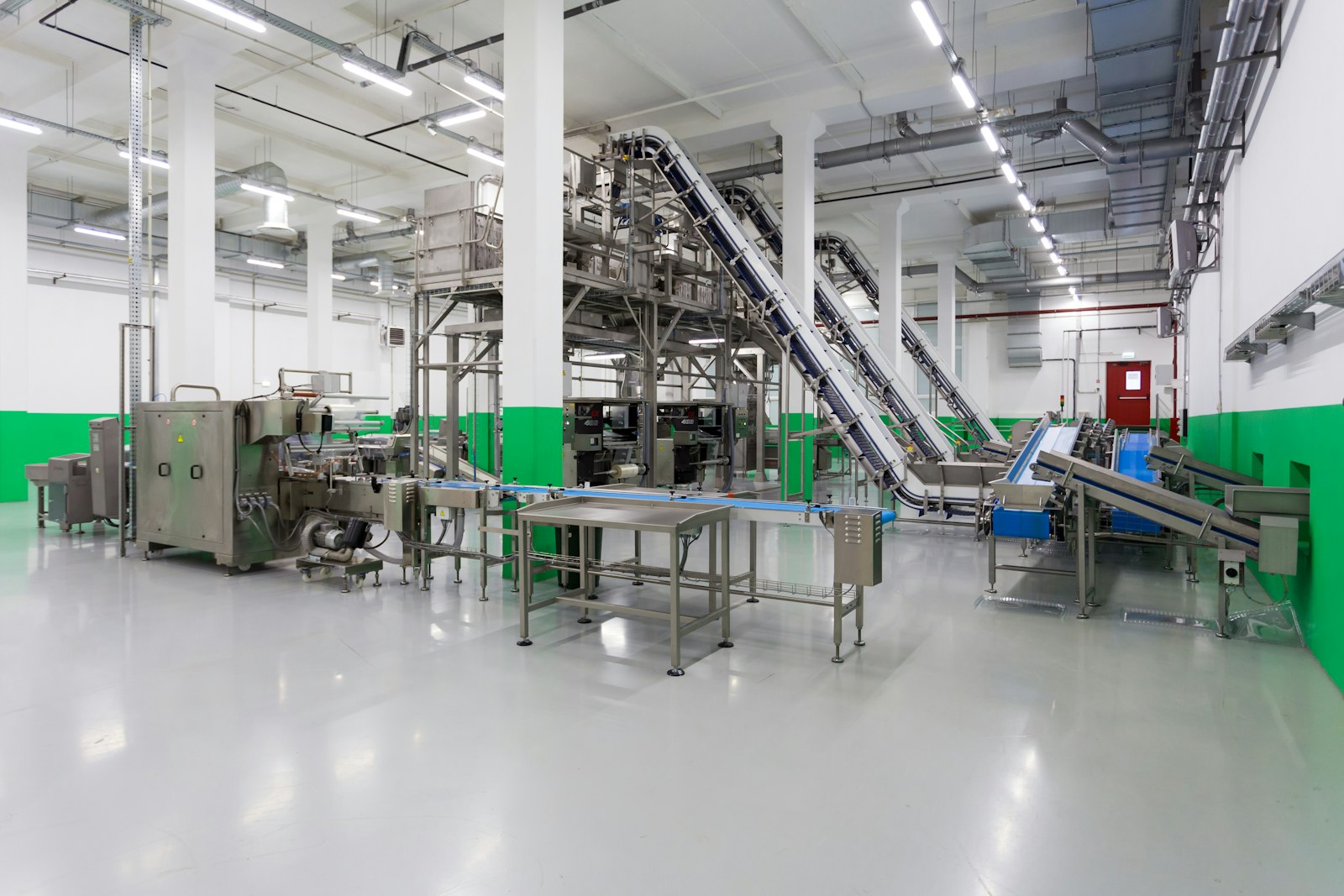
A working factory floor, the thing you are actually trying to verify from thousands of miles away
Why sourcing overseas is hard for an outsider
Distance is the whole problem, and it shows up in ways a spreadsheet never captures. You are twelve time zones from the floor, you do not speak the language the real negotiation happens in, and you cannot walk in unannounced to see whether the machines you were promised are running or borrowed for the day of your audit.
Trust is the currency you do not have yet. A factory that has never met you has no reason to prioritize your 500 unit order over a repeat buyer placing 50,000, so you get slow replies, shifting quotes, and a minimum that jumps the moment you ask for something custom. And every sample, tool, and deposit you wire overseas is a bet that the company on the other end is who they say they are. For an outsider working off a listing, that bet is mostly blind.
The real reasons it goes wrong
Most overseas sourcing failures are quiet, and common enough to have names.
Bait and switch is the one that stings most. The sample is beautiful. Good materials, tight construction, exactly your spec. Then the production run comes back with a cheaper fabric, sloppier stitching, and quietly ignored details. According to sourcing firm ChineseCheck, warning signs include a supplier who is unusually attentive during sampling but reluctant to put production specifications in writing and resists any pre shipment inspection clause. If they do not want the run checked, ask yourself why.
Quality fade is the slower cousin. Your first order is great, so is your second, then the supplier trims a little quality at a time as margin gets squeezed, betting you will not notice until switching is painful. Underneath both sit ghost factories, which firms like Cosmo Sourcing describe as sellers who exist only online, using stolen production line photos or trading company fronts that never touch a machine. In 2026 these operations run polished websites and responsive sales teams, harder to spot than the crude scams of a few years ago.
How to vet and verify a factory
You can lower the risk. None of it is a guarantee, but it filters out a lot.
Start with what the platform badge actually means. On Alibaba, a Gold Supplier is a paid membership with a business license check. The stronger signal is the Verified Supplier designation, where production capability and process controls are inspected on site by independent firms such as SGS, Intertek, or TUV Rheinland. Even then, an audit is a snapshot of one day. Treat the badge as a reason to keep talking, not proof.
Ask for paper and check it. A real factory can produce a business license, an export license, and certifications like ISO. Cross reference the company name across those documents and the bank account you are asked to pay, because a mismatch between the company you contract with and the account receiving your deposit is one of the oldest red flags there is. For anything past a trial order, pay an independent firm like SGS, Bureau Veritas, QIMA, or V-Trust to send an inspector to walk the floor and confirm the operation matches the pitch. If you are picking a supplier from a directory yourself, how to find a clothing manufacturer applies the same vetting logic to apparel, and what to look for in a manufacturing partner covers the questions to ask before you sign anything.
Samples and inspections are non negotiable
Never approve a production run off a sales sample alone. Get a pre production sample made to your exact spec, then hold the factory to that reference for the whole order.
The mechanism that protects you is a pre shipment inspection, or PSI. A third party inspector visits after production and before the goods load, and checks quantity, packaging, function, labeling, and defects using AQL sampling under the ISO 2859-1 standard. As of 2026, sourcing inspectors quoted by the industry site TradeAiders put a pre shipment inspection in China at roughly 199 to 320 dollars per man day. Against a five figure order, that is cheap insurance. Tie it to your money with a deposit up front and the balance only after the inspection passes, often a 30 to 70 split, so the last payment never leaves your hands until an independent set of eyes has confirmed the goods.
Tariffs and logistics, at a high level
Even a perfect factory does not save you from customs. If you are importing from China, Section 301 tariffs still apply on top of the normal duty, generally at 7.5 or 25 percent depending on the category. The bigger 2026 change is the end of the de minimis exemption, the rule that once let shipments under 800 dollars enter the United States duty free. It has been removed, so the small direct from factory parcels a lot of new brands relied on now owe duties. Price your landed cost with the duty in, not the factory quote. This is also why more brands look past China, toward Vietnam, India, and Mexico.
Why local presence changes everything
Here is the thing every vetting step above is really trying to buy. Presence. Someone who can be in the building, speak the language, and has a reason for the factory to care. You can rent a piece of it through inspectors and audits, and you should. But an inspector you hire once has no ongoing relationship, while a partner with people on the ground and years of factory relationships has leverage you cannot build from a laptop in a single project. This is what a good sourcing agent sells.
That is where No Logo fits. The factories are already vetted, the relationships already exist, and the on the ground presence is the product. You bring the design and the audience. We handle sourcing, sampling, quality control, and production at a flat 25 percent production margin with no upfront inventory, and you never wire a deposit to a company you have never met. That is what happened with the founder from the start of this piece. After his year of failed pants samples, he brought his next product, a hoodie, to a team with a real presence in China, and it was sourced and produced in about two weeks.
Finding a factory overseas is not really a search problem. It is a trust problem. The founders who get burned are almost never careless. They are just alone, a long way from the floor, betting on people they cannot see. Close that distance and most of the risk closes with it. If you are done gambling on listings, start a project and let people who already know the floor do the sourcing.