What Is a Tech Pack and How to Make One
A plain guide to what a tech pack is, what goes inside one, and how to make a tech pack from a simple sketch even if you are not a technical designer.
You sent a factory a photo and a paragraph. Three weeks later a sample shows up with the wrong pocket, the wrong shade of green, and a hem two inches off. Nobody lied to you. The factory built exactly what it thought you asked for, because a photo and a paragraph leave a hundred small decisions to a stranger who has never met you. That gap is what a tech pack closes.
So what is a tech pack. It is the document a factory reads to make your product without guessing. Some people call it a product spec sheet, which is a good way to think about it. It is the full spec, written down, so the person cutting fabric or bending acrylic knows the exact measurements, materials, and construction you have in your head. Apparel people use the term most, but the idea applies to almost any physical product. Furniture, bags, home decor, drinkware. If a factory has to build it, a spec sheet keeps them honest.
What is a tech pack, in plain terms
A tech pack is a set of pages that answers every question a factory would otherwise have to ask you. It does two jobs at once. It tells the factory how to build the thing, and it gives you a fixed reference to check their sample against. When a sample comes back wrong, you do not argue from memory. You point at the page.
What goes in a tech pack
A technical drawing or flat sketch. Not a mood board. A clean line drawing that shows the product from the front, the back, and any angle that matters, like the inside of a jacket or the underside of a table. Black and white is fine. The point is clarity, not art. This is the anchor everything else references.
Measurements and a size spec. This is where most of the money hides. A measurement sheet lists every point of measure with a number and a tolerance, so a factory knows a sleeve is 24 inches and may vary by a quarter inch, not "medium length." For apparel you include a size chart across every size you plan to sell. For a hard product you dimension the whole thing.
A bill of materials. The master list of everything the product is made from. Main fabric or material with its composition and weight, plus every trim, thread, zipper, button, cord, and rivet. A common way to write a fabric line is "100 percent cotton jersey, 200 GSM, garment washed." The bill of materials is also what makes accurate costing possible, because a factory cannot quote what it cannot see.
Construction and stitching details. How the pieces join. Seam types, stitch types, seam allowances, topstitching, binding, hems. Trained factories speak in standards like a 301 lockstitch or a 504 overlock, and naming them removes ambiguity.
Colorways. Every color the product ships in, ideally pinned to a real reference like a Pantone code rather than "navy," since one factory's navy is another factory's black.
Labels and packaging. Where the brand label sits, what the care label says, hang tags, and how the finished product gets folded, wrapped, or boxed. These get skipped constantly, and skipping them is how 3,000 units arrive with no care label two days before a launch.
Why factories need it and why it saves you money
A factory is not withholding good work until you beg. It is running dozens of orders across a language barrier and several time zones, and it will fill any blank you leave with its best guess. Every blank is a coin flip. A finished tech pack removes the coin flips. The cost of skipping it shows up in the sample stage. The team at TAILR estimates that incomplete or ambiguous specs drive 30 to 40 percent of product development delays, and most of those trace back to information the factory never got. Each wrong sample is a new round of shipping, waiting, and money. One common horror story is a button color approved by text message but never written into the spec, so the wrong button lands on the entire run. Verbal approvals are not real. The tech pack is the record.
How to make a tech pack from a sketch
Here is the part nobody tells beginners. You do not have to be a technical designer to make a tech pack. Factories do not care which software you used. They care whether the document is complete, clear, and accurate.
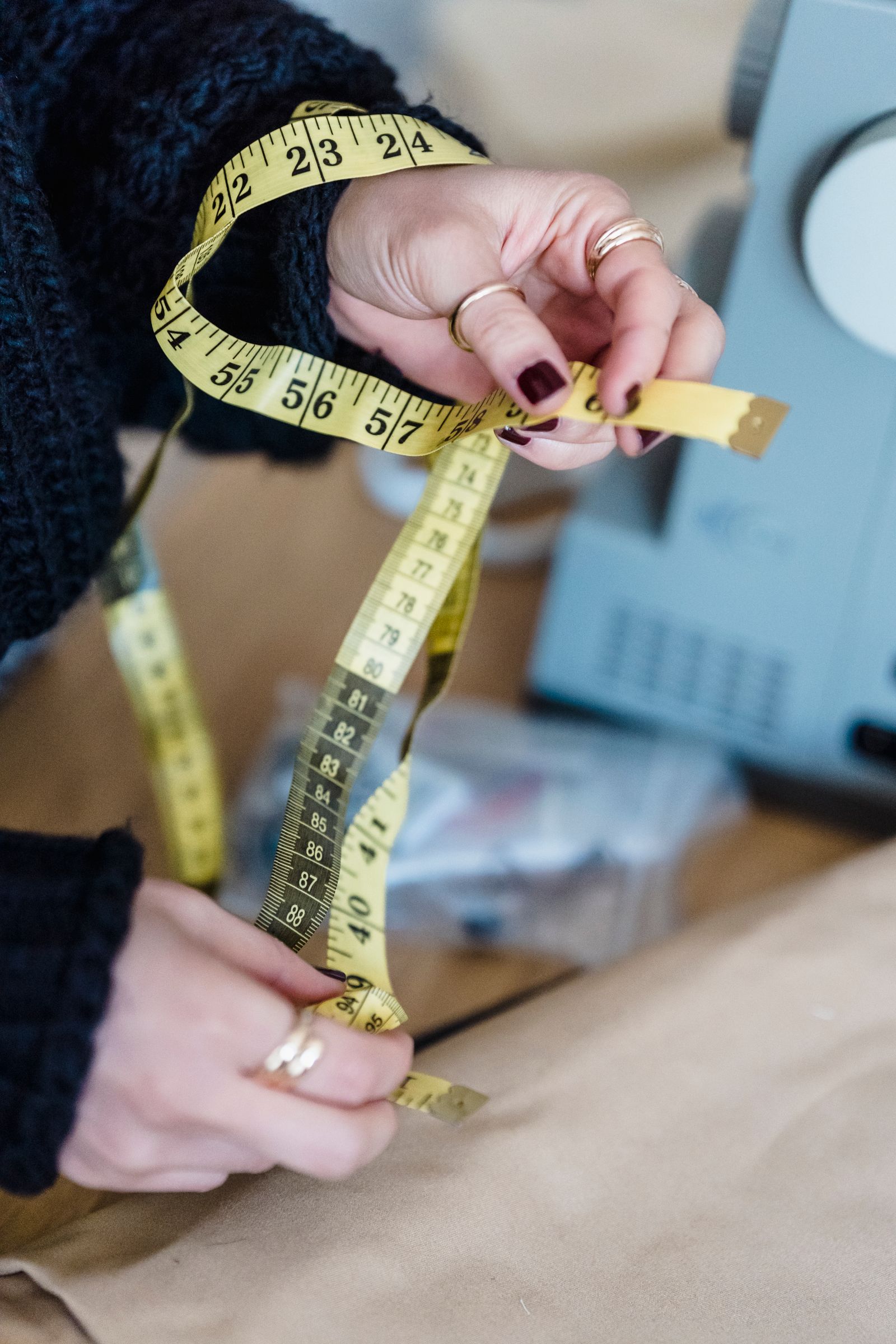
Start with what you have. A sketch on grid paper, a phone photo, or a product you already own that is close to what you want. A reference product is the single fastest way in, because you can measure it directly. Lay it flat, run a tape over every dimension, and write the numbers down. From there you have a few honest paths to a tech pack template. You can build one in a free spreadsheet, use dedicated software like Techpacker or Pietra, or hire a freelance technical designer to formalize it. Any of these produces a document a factory can read.
Whatever tool you choose, work in this order. Nail the drawing and views first. Then measurements with tolerances. Then the bill of materials. Then construction, colorways, and finishing. Fill what you know, flag what you do not, and never invent a number you are unsure about. A clear "to be confirmed" is safer than a confident wrong measurement. If this stage feels heavy, our guide to designing a product when you are not a designer walks through turning a rough idea into a real spec.
What a good partner fills in
A perfect tech pack made alone is hard, and you do not actually need to make one alone. This is the whole reason a full partner beats a bare factory contact. With No Logo you bring the idea, a sketch, an image, or a product you already sell, and the team translates it into the real spec. Materials, sizing, construction, the parts a first timer has no way to know. That work happens inside one platform with a vetted factory network and people on the ground in China, so the spec is built by people who know what those factories can actually produce. You keep the brand and set the price. The production margin is a flat 25 percent, with no upfront inventory and no minimums to clear.
The proof is in how fast a good spec moves. One founder spent a full year hunting for a factory that could make his pants. His next product, a hoodie, went from idea to produced in about two weeks with No Logo, because the network and the spec work were already handled. Oskar Flodstrom brought a video of a piece he had built and No Logo turned it into the Pill Bottle Side Table, the launch product for his brand erik oskr. You can read Oskar's story for the full version.
From spec to sample
A tech pack is not the finish line. It is the thing that makes the next step, the sample, actually mean something. The spec sets expectations, the sample proves them, and any gaps get marked right back on the document for the next round. If you want to see how the sample stage works once the spec exists, read how to get a product sample made, and if you are about to open a factory conversation, how to talk to manufacturers covers what to say.
You can build the spec yourself, and now you know what belongs in it. You can also skip the technical designer entirely and let a team turn your idea into a factory ready spec. When you want to go that route, start a project with No Logo.