How to Find a Manufacturer for Your Product Idea
Learn how to find a manufacturer for your product idea, what to prepare, how to protect your concept, and how sampling turns it into a product you can hold.
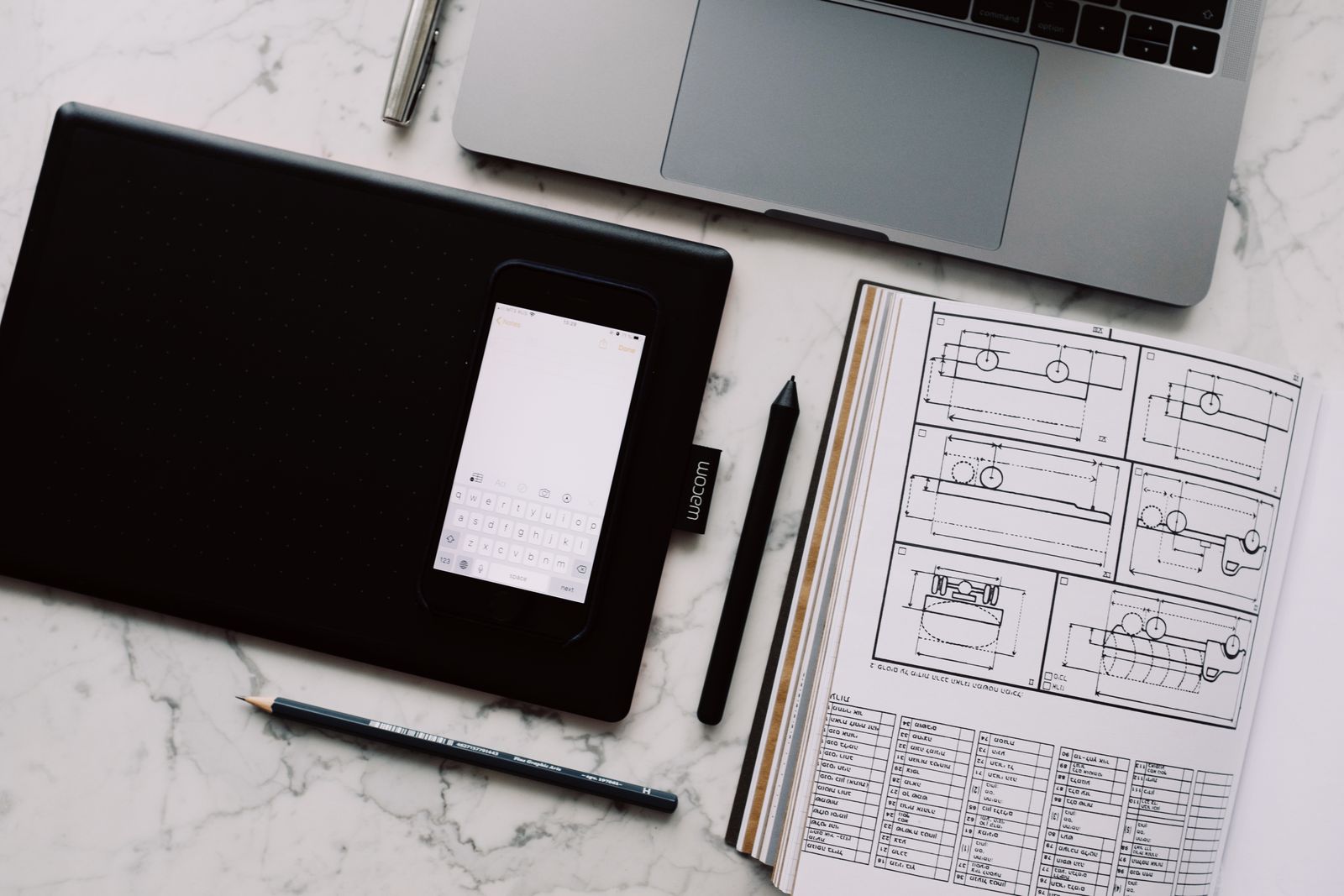
If you have been searching how to find a manufacturer for your product idea, you probably have a concept and a worry that you are not ready yet. Maybe it lives in a note on your phone, a rough sketch, or a thing you made once by hand. You do not have a finished design or a spec sheet, and you are not sure who can make your product or whether anyone will take you seriously without a blueprint.
Here is the part nobody tells first movers. You do not need a finished design to start. You need the right maker who can translate what is in your head into something real. That is a different search, and a more forgiving one than the internet makes it look.
You do not need a blueprint, you need a maker who can translate
There is a myth that manufacturing starts with a perfect technical drawing. It does not. Plenty of real products started as a napkin sketch or a single object someone built by hand. Oskar Flodstrom built furniture in a 120 square foot workshop under a freeway overpass. One of those pieces, a pill bottle shaped hamper bent from a sheet of acrylic he found on the side of the road, put him on the path to his brand erik oskr. He started from an object, not a blueprint.
So the first thing to sort out is what kind of maker you are actually looking for. A factory that only runs bulk orders from finished tech packs is the wrong first stop for a concept. What you want early is a maker who does product development, one who can take a description or a sample and work out materials, sizing, and how the thing gets built. That skill, turning a rough idea into a spec, is the whole job. If the design side feels like the intimidating part, designing a product when you are not a designer walks through how a concept becomes a real specification without a design degree.
What to prepare before you reach out
You cannot hand a maker a vague dream and expect a quote, but you do not need much either. Write down what the product is in plain language. What it does, who it is for, roughly how big it is, and what it should be made of if you have a preference. Pull two or three reference images or competitor products close to what you picture, and note what you want different. If you made a version by hand, photograph it from several angles, and include any sketches. Guides from Shopify and Statrys both make the same point, that a clear description of materials, dimensions, and target cost is worth more than a polished rendering when you first approach a supplier.
The formal version of this document is a tech pack, the sheet a factory reads to build your product exactly. You do not need a complete one to start a conversation, but knowing what goes in it helps you gather the right details. What a tech pack is and how to make one breaks down every field. And set a rough target price early. Knowing you want the product to sell at 60 dollars, not 400, tells a maker which materials and methods are even on the table.
Protecting the idea without slowing yourself down
First movers freeze here. The fear of someone stealing the concept keeps good products stuck in a notebook. For most consumer products, the practical protections are simpler than a full patent. A provisional patent application filed with the USPTO costs 130 dollars for a small entity, or 65 dollars for a qualifying micro entity, and it lets you mark the idea patent pending and talk about it freely for 12 months, according to 2026 pricing from firms like MadePatents and Schell IP. Have a maker sign a confidentiality agreement before you share sensitive details.
If you are sourcing overseas, know that a standard NDA is weak in China. What holds up, as IP attorneys like Harris Sliwoski and Yucheng IP Law spell out, is an NNN agreement, covering non disclosure, non use, and non circumvention, written under Chinese law and enforceable in a Chinese court. A plain American NDA stops a factory from telling others your secret, not from using it or selling around you. File the cheap provisional, use a real agreement, and keep moving. An idea that never gets made is worth nothing to protect.
Sampling is where an idea becomes a product
Everything up to now is talk. A sample is the moment your idea stops being a concept and becomes a thing you can hold, drop, and judge. A good maker takes your description or handmade version and produces a physical sample, and you find the flaws you could never see in a drawing, the weight that feels wrong, the seam that catches, the color that missed. Then it gets refined. Product development guides put sampling at roughly two to four weeks per round, and it is normal to go through more than one before it is right. That back and forth is not failure. It is the process working. If you have never been through it, how to get a product sample made shows what a good sampling process looks like and where the money gets wasted.
Why a full partner is the fastest, lowest risk route
You can do every step above yourself, from finding the maker to managing sampling rounds to negotiating production and fulfillment once orders come in. The honest question is how many months, and how much risk, that path costs a first mover with a concept and not much else.
A full partner removes the hardest parts. Instead of gambling on a supplier you found in a search bar, you work with an established, vetted factory network and people on the ground where the product gets made. The idea to spec translation, the sampling, the production, and the shipping all happen in one place. No Logo works on a flat 25 percent production margin, with no upfront inventory and no minimum order lock in, and you keep full control of your brand and your pricing.
That is how Oskar went from a hamper built out of roadside acrylic to a launched brand. A No Logo employee saw his video, he submitted a sample, and the network turned it into the pill bottle side table with no capital and no risk from him. His store did 50,000 dollars on day one. You can read the full erik oskr story. The speed is the point. Another founder spent a full year hunting for the right factory for a pants project, then re sourced his next product, a hoodie, in about two weeks once a network did the finding for him.
The concept was never the hard part. Finding the maker who can build it, fast and without gambling your savings, is the whole game. If you have an idea and you are ready to see it made, start a project.