How to Reduce Supply Chain Risk as a Small Brand
Supply chain risk hits small brands hardest because you carry no slack. Here is how to cut single supplier, single country, and lead time risk on a budget.
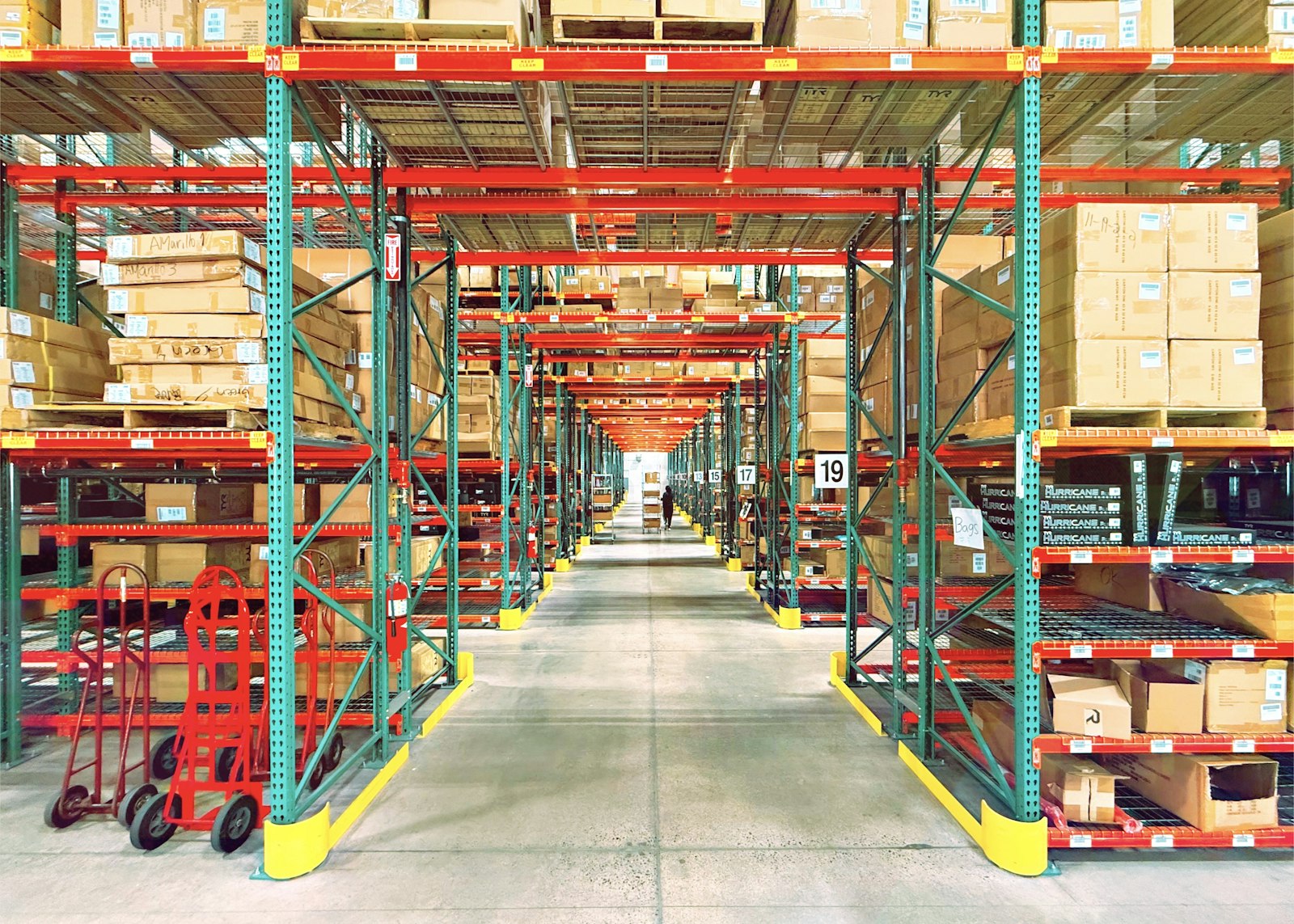
A big brand can lose a supplier and barely feel it. They have a second factory, buffer stock, and a sourcing team on the phone before the news reaches the founder. You do not. Supply chain risk for small business is a different animal, because when your one factory goes quiet or your one shipment gets stuck, there is no slack to absorb it. The stockout is immediate and the lost revenue is yours.
This is not rare anymore. In an April 2026 survey of 500 US small and mid sized businesses run by the freight forwarder Ship4wd through Pollfish, 96 percent said tariffs had directly hurt their shipping, sourcing, or supply chains in the past year, and 62 percent said they lost revenue or missed sales because of supply chain problems. So the question is not whether you will get hit. It is how much slack you can build before you do, on a budget nowhere near enterprise size.
Why a small brand feels every shock harder
Slack is the whole game. A large company runs on redundancy it paid for years ago. You run lean on purpose, because cash is tight and every dollar in inventory is a dollar not in the business. That leanness is a feature right up until something breaks, and then it is the reason a two week factory delay turns into an empty product page and a wave of refund emails.
In that same Ship4wd survey, 72 percent said they do not have full real time visibility into their shipping and sourcing, and 51 percent had never tested what they would do in a disruption. Sage ran a separate survey heading into 2026 and found only about half of supply chain leaders felt confident they could respond to disruption at all. Most brands are flying blind and hoping, and hope is not a plan.
The four risks that quietly take small brands down
Most supply chain pain traces back to the same handful of single points of failure. Name them, then fix them.
One supplier
If a single factory makes your product, that factory is your business. A quality slip, a price hike, a shutdown, any of it lands directly on you with no cushion. Single sourcing also hands the supplier the leverage. When they know you have nowhere else to go, the annual price conversation never goes your way.
One country
Sourcing everything from one country stacks a second risk on the first. A tariff change, a port backup, a new export rule, or a holiday shutdown hits your entire catalog at once, with no other region still shipping while that one sorts itself out.
Thin inventory buffers
Running lean protects cash, but a buffer that is too thin means any delay upstream becomes a stockout downstream. The Ship4wd survey found 59 percent of small businesses are now stockpiling inventory as their main way to cope, and 56 percent had already hit shortages or stockouts. Stockpiling is expensive and it ties up the cash you were trying to protect.
Long lead times
The longer it takes to get more product, the more you are betting on a forecast made months ago. A twelve week lead time means every stockout is a twelve week problem. A two week lead time means it is a two week problem. A short lead time lets you carry less buffer and still recover fast when demand jumps or a shipment slips.
How to reduce supply chain risk without an enterprise budget
You cannot buy your way to redundancy the way a large company does. You can be deliberate, and that gets you most of the protection for a fraction of the cost.
Start by mapping what you depend on. Write down every supplier, the country each one sits in, the real lead time for each item, and how many weeks of stock you hold. Most founders have never seen this on one page, and the single points of failure jump out the moment they do.
Then line up a backup manufacturer before you need one. You do not have to move volume. You just need one that is vetted, has quoted your product, and could start if your primary went down. Qualifying an alternate mid crisis is the slowest and most expensive way to do it, so why every brand needs a backup manufacturer makes the case for doing it in advance.
Spread your sourcing where it is practical. Even splitting a key component across two suppliers, or adding a second region for your highest volume product, removes the all your eggs in one basket problem. How to diversify your supplier base walks through doing this without drowning in overhead, and if you source heavily from one country, China plus one sourcing explained is the pattern most brands use to take the edge off.
Size your buffer by risk, not habit. Hold more stock on the items with long lead times or a single fragile source. Hold less on the items you can reorder fast.
Buffer versus speed, and why speed usually wins
Every small brand fights the same tension. Carry more inventory to survive a shock, or run lean to protect cash. Most default to stockpiling because it is the only lever they know. It works, but it is the expensive lever.
Speed is the cheaper answer. If you can reorder and get product in weeks instead of months, you can safely carry a thinner buffer, because you can refill before the shelf goes empty. A fast, reliable resupply does the same job as a mountain of safety stock without locking up your cash. The brands that come through disruptions in good shape are usually the ones that got fast, not the ones that got fat on inventory.
How a fast, connected partner adds resilience you cannot build alone
Building your own multi region supply chain, with vetted backups and short lead times, is realistic for a company with a sourcing department. For a small brand it is close to impossible, because the cost and time to build that network are the exact things you do not have.
A partner who already has the network changes what is possible. One founder spent a full year trying to find the right factory for a pants project on his own, a year of samples and dead ends. When he brought his next product, a hoodie, to No Logo, it got sourced and produced in about two weeks, because the factory relationships and the on the ground presence in China were already there. That gap is the resilience you are buying, the years of access and vetting that let you re source fast when you have to.
No Logo gives a small brand that leverage without the enterprise price tag. Direct factory access at a flat 25 percent production margin, an established and vetted network, no upfront inventory commitments, and a presence in China that makes adding a backup or switching sources a matter of weeks. You keep the brand and you set the pricing. If you are already weighing a move, how to switch manufacturers shows what that transition looks like in practice.
Resilience is not about predicting the next shock. It is about making sure the next one costs you a two week scramble instead of your whole quarter. If you would rather not build all of that alone, start a project with No Logo and talk through the fit first.