How to Diversify Your Supplier Base
How to diversify your supplier base without doubling the workload, map concentration risk, qualify new sources, stage the shift, and never stock out.
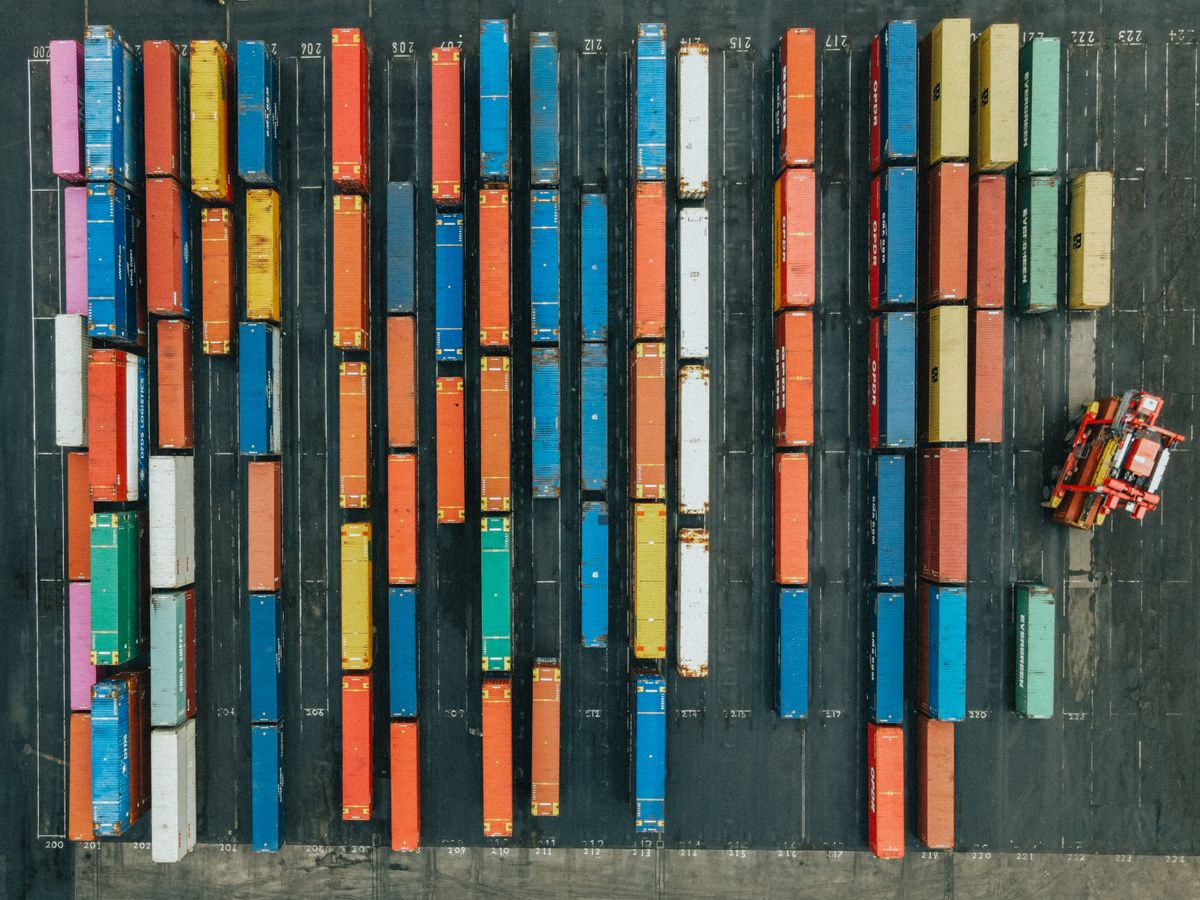
One factory makes everything you sell. It has for two years, the relationship is fine, and you have never once had to think about it on a Sunday night. That is exactly the problem. Learning how to diversify your supplier base is the difference between a brand that survives a bad month at one factory and a brand that goes dark when that factory misses a run, raises a price, or gets buried under a tariff you did not see coming. The goal is not to run five suppliers instead of one. It is to spread real risk without doubling the work.
Most operators put this off because it sounds like twice the sampling, twice the invoices, and twice the arguments about lead time. Done wrong, it is. Done in the right order, it costs far less than the outage it prevents.
Map where your supplier concentration risk actually lives
You cannot reduce supplier concentration you have not measured. Start by writing down what each supplier actually represents, not just its name.
Pull your last twelve months of purchase orders and rank suppliers by spend. Then flag the ones where a single vendor makes a product that drives most of your revenue, where one factory holds your tooling, or where a "supplier" is really a trading company pointing at a single mill you have never met. Precoro, the procurement software firm, notes that diversification is not about adding vendors for their own sake. Poorly executed, it adds complexity without improving anything. Target the critical, costly, single source items that are most exposed, and leave the low stakes commodity parts alone.
Do the same pass on geography. If every supplier sits in the same province, a port closure, a power cut, or a policy change hits all of them at once. That is the trap the China Plus One approach exists to solve, and it is worth reading China plus one sourcing explained before you decide where a second source should live. Concentration is not really about how many suppliers you have. It is about how correlated their risks are.
Decide what actually needs a second source
Not every SKU earns a backup. Trying to dual source your entire catalog at once is how founders talk themselves out of doing any of it.
Sort your products into three buckets. First, the revenue drivers and anything with a single point of failure, which get a real second source. Second, the mid tier items where a backup is nice but not urgent. Third, the long tail you could drop for a quarter without anyone noticing. The first bucket is the whole job for now. For your single most important product, a dedicated second source is less diversification and more insurance, which is the case laid out in why every brand needs a backup manufacturer.
This is also where 2026 math forces the issue. Section 301 duties on Chinese goods still range from 7.5 to 25 percent for most consumer categories, per Greenwich Mercantile's tariff tracking, and stacked rates run far higher on some. A second source in a different country is not just resilience anymore. It can be the line between a healthy margin and a break even one.
How to qualify a new source before you trust it
A new supplier is a stranger until proven otherwise, and the mistake is handing over a full order to test them. You test them small, in stages, on the exact spec.
Send the candidate your tech pack and your approved reference sample, then treat their first output as a fresh sampling round, compared against the physical sample rather than your memory of it. Run a small paid pilot before you commit real volume, and hold every source to the same written standard so any of them can cover the product when called. If you want the full checklist, what to look for in a manufacturing partner covers the questions that separate a capable factory from a convincing one.
One warning specific to tariff driven moves. A second country only helps if the product is genuinely made there. Goods manufactured in China and merely passed through another country still count as Chinese origin at customs. Cosmo Sourcing notes that to claim a second country's origin the product has to meet that country's substantial transformation rules, backed by bills of materials, production records, and supplier declarations. Real production, real paperwork.
Stage the shift so you never stock out
This is the part that scares people, and it is the most controllable. You do not flip a switch, you fade volume across sources while the shelf stays full. NetSuite, in its guide on dual sourcing, describes the common setup as a primary source carrying most of the volume and a qualified secondary source that can scale up fast when the primary slips. Start the new supplier at a small slice of the order, something like ten or twenty percent, and only hand them more as each batch clears your quality checks and their lead times prove real. If their first run ships late, and first runs run late, the incumbent is still covering you.
Build a buffer before you begin. Place one last clean run with your current factory, or draw down a little slower than usual, so you carry extra safety stock through the transition window. Size it to cover your busiest sales days across the new source's realistic lead time, then add margin for the first run slipping. And expect a real timeline. Cosmo Sourcing puts a typical move from decision to full second country production at 5 to 7 months for most consumer goods, longer for regulated categories.
How to diversify your supplier base through one vetted network
The reason diversification feels like double the headache is that every new source means running the full sourcing gauntlet again, from scratch, alone. What if the second, third, and fourth sources were already vetted and sat under one relationship instead of four?
That is what a multi supplier strategy through a network buys you. No Logo already runs an established, vetted factory network with an on the ground presence in China, so spreading your production does not mean spreading your admin. One founder we work with spent a full year trying to find the right factory for a pants project, a year of samples and dead ends. When it came time to make his next product, a hoodie, that search took about two weeks, because the vetting was already done.
The economics stay clean too. Direct factory access at a flat 25 percent production margin, no upfront inventory commitment, and you keep full control of your brand and pricing. Because the network spans more than one factory and region, adding a backup or re sourcing a product is a conversation, not a six month project. That is the same logic behind how to reduce supply chain risk for a small brand, just handled for you.
If you are ready to line up a second source, start a project and see what the network can make before you commit to anything. The brand that spreads its bets on purpose is the one still shipping when a single factory has a bad month.