How to Scale Production After Going Viral
A viral spike is the dream and the trap. Here is how to scale production after going viral, capture the demand, and protect quality before the moment cools.
One TikTok does a million views. Your inbox fills up. The product page starts selling faster than you have ever seen, and then the counter under the buy button flips to sold out. That is the moment most people celebrate. It is also the moment the clock starts. Learning how to scale production after going viral is really about learning how fast you can turn attention into product before the attention moves on.
The spike is the dream. It is also the trap. A viral curve moves in minutes. A supply chain moves in days or weeks. If those two speeds do not meet, the demand you earned leaks out to whoever can actually ship.
Why the window closes faster than you think
Attention is not patient. When a customer sees your product, wants it, and cannot buy it, most of them do not wait for a restock email. They switch to a competitor or drop the purchase entirely. The people flooding your page during a viral moment are the least loyal buyers you will ever have. They found you an hour ago and they have no reason to hold out. Every day you spend sold out and cannot restock is a day that traffic converts for somebody else.
So the goal is not to have perfect inventory sitting in a warehouse the day you go viral. Almost nobody does. The goal is to keep the demand attached to your brand while you make more.
Capture the demand instead of losing it
If you cannot ship today, you can still hold the buyer. This is the single most important move in the whole playbook, and most creators miss it because they are staring at a sold out page in a panic.
Two tools do the holding. A presale lets people pay now for a product that ships later. A waitlist collects the email or the deposit and promises first access when you restock. Both turn a dead end into a warm list you own.
A presale does more than bank the cash. It tells you exactly how many units to make before you commit a dollar to production, which takes the guesswork out of your first real order. Waitlister, a launch tooling company, reports that roughly half of waitlist members convert within the first 30 days, and only about 20 percent still convert after 90 days. That decay is the whole reason to move quickly. The list is an asset with a short shelf life. Set the expectation honestly. Tell people the ship date and why there is a wait. A buyer who chose to join a presale is far more forgiving than one who hit a blank sold out button and left. For the mechanics, we go deep on both in how to run a presale and how to build a waitlist.
Do not let the rush wreck the quality
Here is the quiet way viral brands die. They panic, take the first factory that answers, and ship a rushed version of the thing that got them famous. The reviews turn. The second wave of buyers gets a worse product than the first wave saw in the video. The magic was never just the idea. It was the execution people could see.
Speed and quality feel like opposites when you are scrambling alone, and that is exactly when brands make the expensive mistake. A cheaper material to hit a deadline. A skipped sample round. A factory that quoted fast because it cuts corners you will not see until the boxes arrive. Fixing a quality problem after you have shipped a thousand units costs more than the viral moment ever earned. Protecting quality while you scale manufacturing fast comes down to one thing. You need a production partner who already knows how to make your kind of product well, so the fast version and the good version are the same version.
The real bottleneck is production capacity
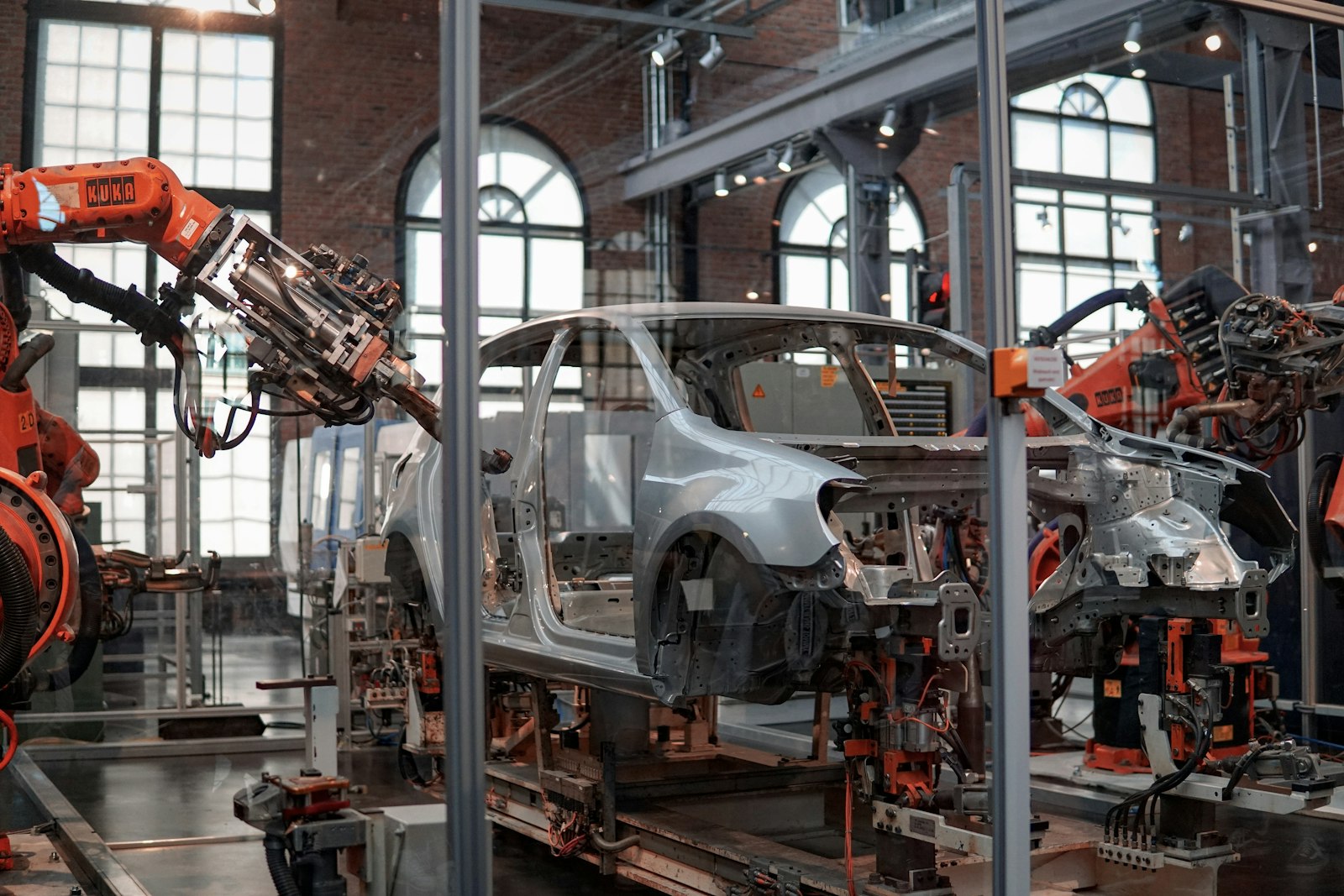
Marketing got you here. Production is what keeps you here. And production capacity is the hardest part to conjure on short notice, because the relationships that create it take months or years to build.
Think about what stands between you and 2,000 finished units. You need a factory that can make your product to spec. You need it to have open capacity right now, not in the fourth quarter. You need materials sourced, a sample approved, quality control on the line, and freight booked. Doing that from a standing start, as an outsider with no factory relationships and no presence on the ground, is how founders lose a year. One brand spent a full year hunting for the right factory for a pants project, a year of samples and dead ends, before they found a partner who could actually deliver.
How an established factory network scales you fast
The reason a network beats a cold search is simple. The hard part is already done. The factories are vetted, the relationships exist, and someone is physically present where the product gets made.
No Logo runs on an established, vetted factory network with people on the ground in China. So when a brand shows up mid spike, we are not starting a search. We are picking the right factory from a list we already trust. The same founder who burned a year looking for a pants factory alone came to us for his next product, a hoodie, and we sourced and produced it in about two weeks. One year versus two weeks. The full breakdown of why the timeline collapses lives in how long it takes to find a manufacturer.
It works for creators starting from a single viral video too. Oskar Flodstrom posted a clip of a pill bottle shaped side table he built and it took off while he had a few thousand followers. He submitted a sample, No Logo manufactured it inside the network with no capital and no minimums from him, and his store under the brand erik oskr did 50,000 dollars in revenue on the first day. You can read the whole thing in how erik oskr sold out a pill bottle side table.
The model is built for exactly this pressure. No upfront inventory to gamble on. A flat 25 percent production margin, so you always know the real cost. You keep the brand and you set the price. No Logo handles the manufacturing, the fulfillment, and the customer support behind it. When the spike hits, that is the difference between capturing the moment and watching it cool.
We are not the only way to make a product. You can find your own factory, and plenty of founders do. What No Logo removes is the slow, risky part, the years of factory access and on the ground trust that an outsider cannot build in the middle of a viral week. When speed is the whole game, borrowed capacity beats a cold search almost every time.
The moment is worth more than the panic
A viral spike is rare and it does not come back on a schedule. The brands that turn one big week into a real business are not the ones with the best luck. They are the ones who captured the demand fast, held quality steady, and had production capacity ready to answer. If that is you right now, start a project with No Logo and move before the window closes.