How to Build a Waitlist Before You Launch
A practical playbook on how to build a waitlist that proves demand before you produce, keeps the list warm, and turns signups into launch day sales.

Most people build the product first and go looking for buyers second. That is the expensive order. Learning how to build a waitlist flips it, because a waitlist lets you collect proof that people want the thing before you spend a dollar producing it. A name and an email is a soft yes. Gather enough of them and you stop guessing whether the idea has a market.
That matters most for physical products. Software can ship an update to fix a miss. A run of furniture or apparel cannot. So the smartest move a creator or founder can make is to test the appetite before the factory ever gets involved.
Why a waitlist beats guessing
Guessing is how garages fill up with unsold stock. You imagine the demand, you order the units, and then you find out. A product waitlist does the finding out first, for the price of a landing page and some attention you already have.
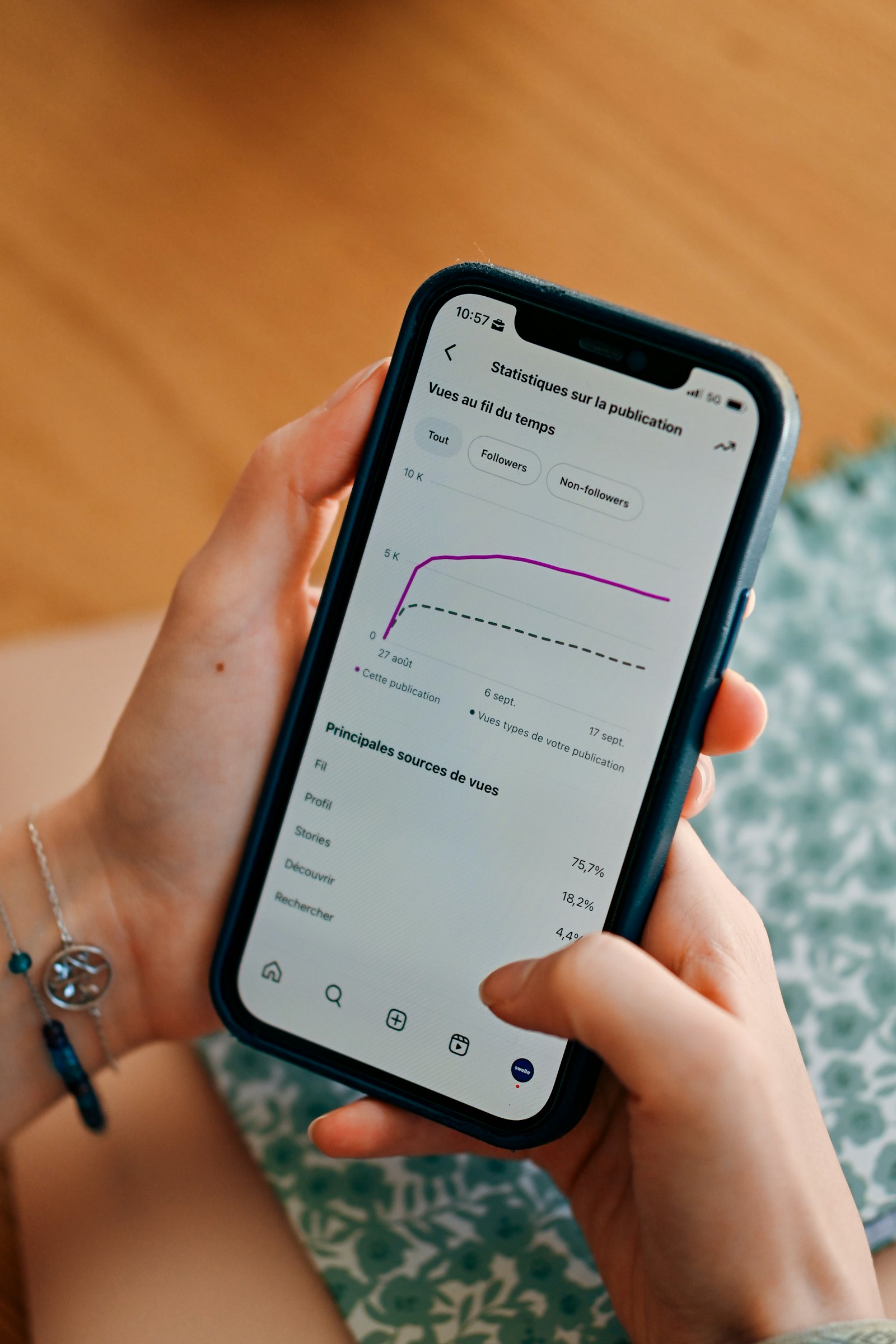
The numbers back this up as a real signal. According to Waitlister, the median waitlist page converts about 11 percent of its visitors into signups, which already beats the roughly 6.6 percent median for landing pages across industries, and Flowjam documents pre launch pages converting at 20 percent and up. So if you send a thousand people to a clean page and 200 leave an email, you have learned something a spreadsheet could never tell you.
There is a harder truth in the data too. Lenny Rachitsky's benchmarks show that for physical products, once you roll out widely, the share of waitlisted people who actually buy sits below 5 percent. A list is intent, not money. The whole game is turning as much of that intent into a real order as you can, and doing it fast.
How to set one up and what to offer
You do not need to build anything complicated. A single page with a headline, one line on what the product is and who it is for, and a form with an email field. Maybe a first name. Every extra field you add costs you signups, so resist the urge to ask for a phone number you will never call.
The headline does most of the work. Robinhood's pre launch page ran on four words, zero commission stock trading, and that clarity helped it gather nearly a million people on a waiting list before the app even opened. You probably will not hit a million. You do not need to. You need enough to justify a production run.
Then give people a reason to sign up today instead of forgetting you exist. A waitlist with no offer is just a form. Pick one real incentive and make it visible.
- A founding price the public will not get, locked in for the people who joined early.
- First access to a limited first run, before it opens to everyone.
- A vote on the color, the size, or the material, so early fans shape the actual product.
- A number on the box or another small mark of being first.
The referral loop is the other multiplier worth building in. Robinhood showed each signup their spot in line and rewarded them for moving up by inviting friends, and on average every user brought in about three more. Tools like KickoffLabs and Waitlister run exactly that mechanic without custom code. A healthy share rate, where people actually forward your link, runs around 15 to 20 percent. Below 5 percent and your reward is not worth the effort you are asking for.
Start earlier than feels comfortable. A 60 day runway before launch gives the referral loop time to compound and gives you time to learn who your buyers actually are.
Keeping the list warm
A cold list converts like a stranger, because that is what it becomes. Someone who signed up two months ago and heard nothing since has forgotten your name by launch day.
So talk to them, not constantly but on a real rhythm. Show the sample coming together. Share the material you almost picked and rejected and why. Ask a question and use the answers. Every message reminds them a real person is building a real thing, and that they got in before everyone else. This is the discipline that carries a presale, and the steady weekly update is worth borrowing from how to run a presale.
Warmth also protects your conversion against time. Lenny Rachitsky's data is blunt about it. Conversion averages around 20 percent when you pull people off the list within a month, and falls below 10 percent once they have waited past three months. A list decays. The worst thing you can do is gather a big list and then sit on it while you sort out how you are actually going to make the product.
Converting the list at launch
A launch to a warm list should feel like a door opening for people already waiting outside, not a cold pitch. Announce the date 7 to 14 days out, then open an exclusive window, 24 to 72 hours, where only waitlist members can buy before the public. That early access is the reward you promised, and it is where the bulk of your first day sales come from. Keep the buying step simple, one clear page, the founding price you committed to, and the ship window spelled out plainly if you are producing to order. Do not make people reconsider at checkout with surprise fees or vague timelines. This is the same first hundred buyers problem every new brand faces, and the tactics are covered in getting your first 100 customers.
Where the waitlist meets a no upfront inventory model
Here is how the pieces fit. A waitlist proves interest. A presale converts that interest into paid orders. A partner who can produce against those orders means you never front a dollar for inventory you are not sure will sell.
That is the model No Logo is built for. You gauge demand with the list, confirm it with a presale, and then the product gets manufactured through an established factory network against real orders, with no minimums and no capital tied up in a garage full of boxes. Oskar Flodstrom is the clean version of it. He posted a video of a pill bottle shaped side table, it took off, and No Logo produced the sample with nothing upfront from him. When he opened the store for his brand erik oskr he did 50,000 dollars on day one and 150,000 dollars in two weeks. You can read the full path in how erik oskr sold out a pill bottle side table. The margin is a flat 25 percent on production, you keep control of your brand and your pricing, and you can start without committing to anything.
Your audience is already telling you what they want, one signup at a time. When you are ready to make the thing they are waiting for, start a project. The list is the proof. The product is the payoff.