How to Start a Skincare Brand in 2026
Learn how to start a skincare brand, from finding your angle and picking private label or custom formulation to MoCRA compliance, pricing, and a strong launch.
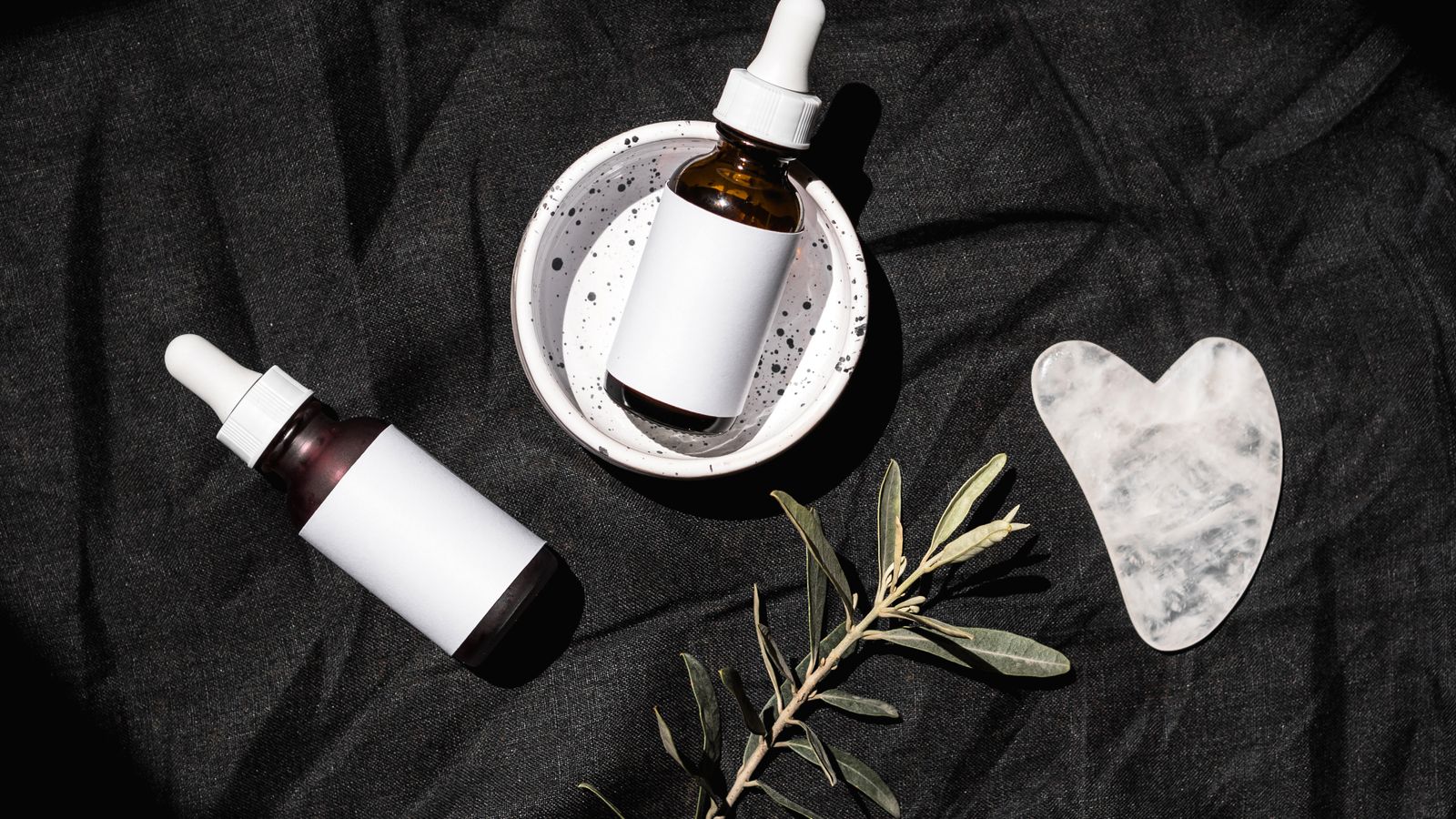
Every week a new serum lands on your feed with a founder story and a soft pink dropper bottle. It looks effortless. It is not. The useful version of how to start a skincare brand includes the parts that photo leaves out. The compliance paperwork. The minimum order that ties up your cash. The formula that took four rounds to stop separating. All of it is a reason to know what you are walking into before you spend a dollar. Beauty is enormous and still growing. Statista projects the worldwide beauty and personal care market will generate roughly 698 billion dollars in 2026, and within that skincare holds close to 40 percent of the narrower cosmetics category. Anyone can start a beauty brand now, which is why standing out is the hard part.
The bottle is the easy part. The formula, the compliance, and the audience are where a beauty brand is won or lost.
Find an angle in a crowded category
Skincare is not short on products. It is short on reasons to care. Before you think about a formula, get clear on who you are for and why they would switch to you. The winning brands lead with a point of view, not the product. A hero ingredient nobody in your niche is talking about, a routine stripped to three steps, a community you already belong to. If you already have an audience, even a small one, that is the asset most beauty founders would pay anything for. Look at Oskar Flodstrom, the maker behind the brand erik oskr. He makes furniture, not skincare, but the lesson carries. He posted one video of a piece he built and it hit 500,000 views while he had 4,000 followers, because the thing was distinct and the audience was real. You can read the full breakdown in Oskar's story.
Formulation, private label versus custom
Here is the first fork, and it decides most of your budget and timeline. Private label, sometimes called white label, means you start from a manufacturer's existing, tested formula and make it yours with your branding, scent tweak, and packaging. It is fast and cheap, with minimums as low as a few dozen units per product at some labs, so you can launch two or three products for a modest bet. The tradeoff is that the base formula is not exclusive to you. Custom formulation is the other end. A chemist builds a formula to your brief from scratch, which gives you something genuinely your own, but it costs far more and moves slower, commonly carrying minimum orders of 1,000 to 2,500 units per product plus development fees. Most first time founders should start closer to private label and earn their way toward custom. We compare the models in private label versus white label versus custom manufacturing.
Compliance basics, and a note to verify everything
Cosmetics sold in the United States are regulated, and the rules changed recently. The Modernization of Cosmetics Regulation Act, known as MoCRA, is the biggest overhaul of federal cosmetic oversight in decades. For a new brand, that means facilities have to register with the FDA, a responsible person has to list each product and its ingredients, and serious adverse events have to be reported. There is a small business carve out. Companies with average annual cosmetic sales under 1 million dollars over the prior three years can be exempt from facility registration and product listing, though that does not apply to higher risk products such as those used near the eye. Rules evolve and your category changes what applies. Treat this as orientation, not legal advice, and confirm current requirements with the FDA or a qualified regulatory advisor before you launch.
Sampling and packaging
Order samples before you order anything at scale. Every one of them. Check texture, absorption, scent, and how it holds up after weeks on a shelf. A formula that reads perfect on a spec sheet can still feel wrong on skin. Packaging is not decoration in beauty. It is product. The pump that clogs, the dropper that drips, the jar that lets air oxidize your active, all of it shapes whether a customer comes back. Airless pumps protect sensitive actives and dark glass shields ingredients that break down in light, so test the real container with the real formula.
Price it so the margin survives
Price backward from cost, never from what feels nice. Add up your landed cost per unit, the formula, the container, the box, the label, and the maker's margin. That is your floor. The old rule of thumb is 8 to 10 times the bare unit cost, but Eightx, a finance advisory that publishes beauty benchmarks, points out that once you load in packaging, fulfillment, and payment fees, the realistic fully loaded multiple lands closer to 3 to 5 times. That gap covers marketing, returns, payment processing, and the units that never sell at full price. Eightx also benchmarks direct to consumer skincare gross margin at roughly 65 to 72 percent for healthy brands. We break the full math down in how to price a product you manufacture.
Launch to an audience that already trusts you
Launch day works when demand exists before the product does. Build it in the open. Show the formulation rounds, the samples you rejected, the ingredient you fought to include. Oskar launched to an audience that had watched him build. His store did 50,000 dollars on day one, and by two weeks in the brand had done 150,000 dollars in sales, with him personally taking home about 34,000 dollars, roughly two years of his old income. He did it without fronting inventory, submitting a sample that got manufactured through the factory network and selling from there. A presale works the same way, collecting orders first and producing against real demand.
How to start a skincare brand without the lab and the warehouse
There is a second path. Instead of finding a lab yourself, meeting a four figure minimum, fronting the inventory, and sorting out the compliance, you bring the idea and the audience, approve a sample you can hold, and produce as demand shows up. That is what No Logo is built around. You keep the brand and set the pricing, while the team handles manufacturing through a vetted factory network, plus fulfillment, shipping, and support, on a flat 25 percent production margin with no upfront inventory commitment. Starting a skincare brand has never been about proving you can afford a lab and a warehouse. It is about making something specific for people who want it. When you are ready, start a project.