Private Label vs White Label vs Custom Manufacturing
A plain guide to private label vs white label vs custom manufacturing, covering real examples and the tradeoffs on speed, cost, and owning your brand fully.
Three founders order what they think is their own product. The first gets a generic charger that eleven other stores already sell under eleven other names. The second gets a supplement made to a formula only she can sell. The third gets a thing that did not exist until she drew it. All three technically manufactured a product. Only one made something nobody can copy off the shelf. That gap is the whole point of understanding private label vs white label vs custom, because the model you pick decides how much of the brand is actually yours.
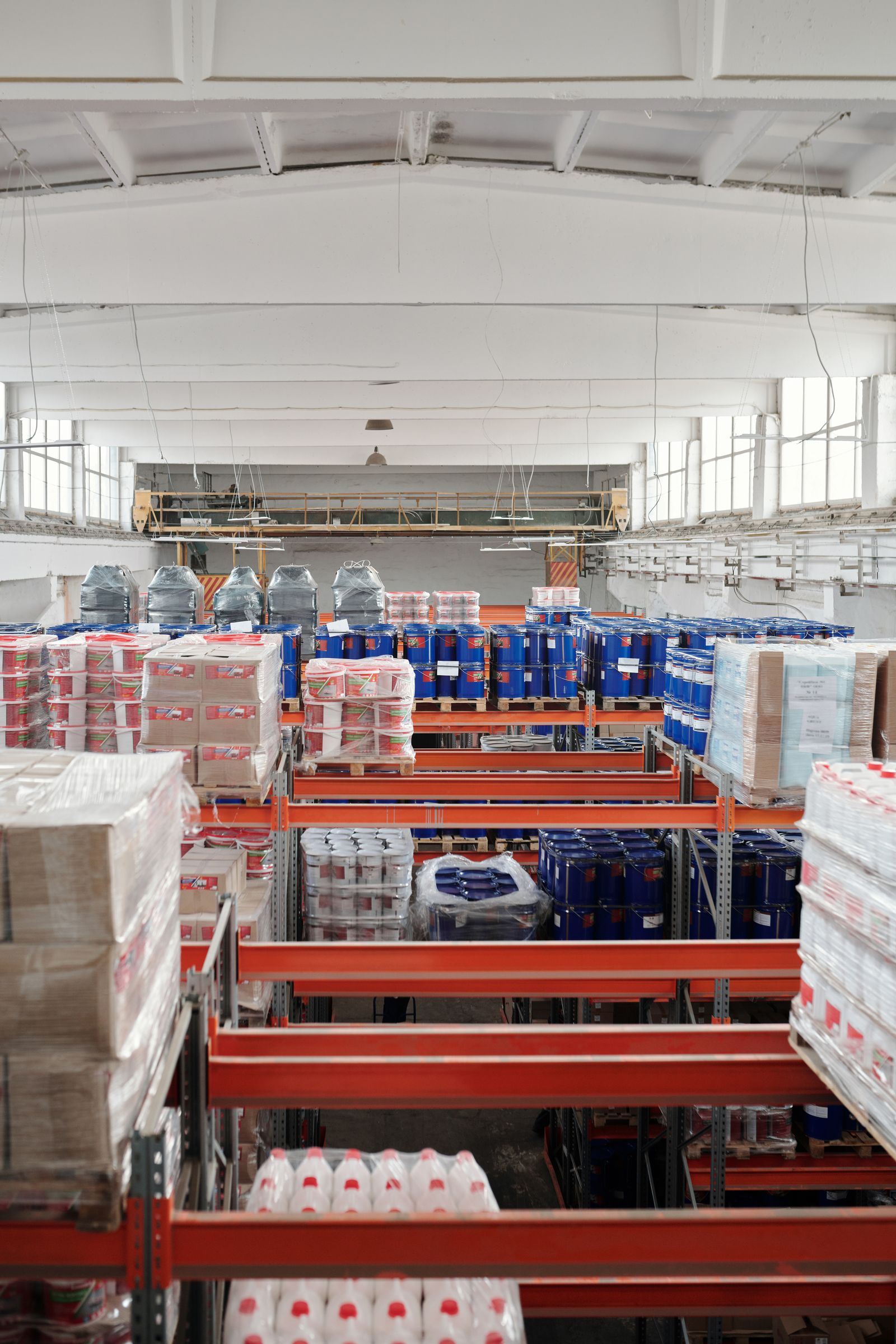
The same generic product, boxed and waiting for whichever brand name goes on the outside.
White label products, the blank label explained
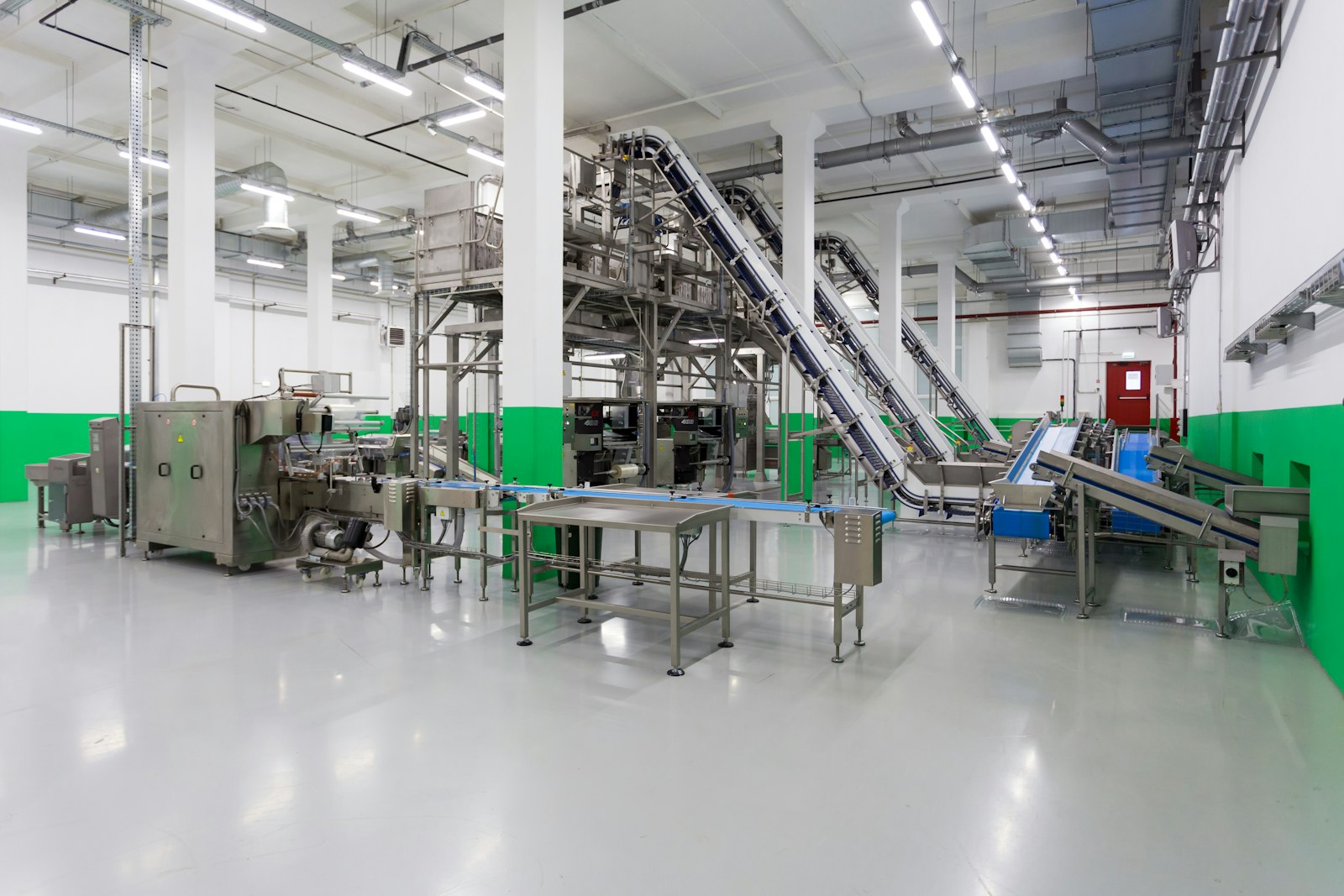
A white label product already exists before you show up. The factory designed it, set the materials, and built it in a standardized, unbranded way. You pick it off a catalog, put your logo and packaging on it, and start selling. The product inside does not change. Only the label does.
The catch is right there in the name. That same product is available to everyone else. A white label phone charger, a white label vitamin, a white label moisturizer, all can ship to a dozen brands who each put a different name on the identical item. The upside is speed and low cost. Because the product is finished, you can be live in roughly two to four weeks for around 500 to 3,000 dollars. What you are not buying is exclusivity.
Private label meaning, made for you and only you
Private label sits one real step up. Here the manufacturer produces the product to your specifications, and the agreement is exclusive. The same factory might make similar goods for other clients, but your formula, your build, your version, is sold only by you.
This is the model behind most store brands you know. Walmart's Great Value, Kroger's Simple Truth, AmazonBasics. Those are private label lines, made to the retailer's spec and sold under the retailer's name. The product is customized before it ever gets a label, which is the line that separates private label from white label. That control costs more and takes longer. Private label starting budgets typically land in the 3,000 to 10,000 dollar range once you count development, sampling, and production, with three to six months from concept to first delivered inventory. It is not a niche play. The Private Label Manufacturers Association reported that US store brand sales hit a record 282.8 billion dollars in 2025, and over five years private label's dollar share grew from 19.1 percent to 21.3 percent.
Custom manufacturing, built from nothing
Custom manufacturing, sometimes called contract manufacturing, is the deep end. There is no catalog. You bring a concept, a sketch, a spec, and the factory builds it using their equipment and expertise. You own the design and the manufacturer owns the making of it. A side table shaped like a pill bottle. A hoodie cut to a pattern that is yours. Custom asks the most of you up front, more time and investment and decisions about materials and tooling. In return it gives you the one thing the other two cannot, a product no competitor can order a copy of, because there is no copy to order.
The tradeoff nobody says out loud
Line the three up and the pattern is clean. Speed on one end, differentiation on the other. White label is fastest, cheapest, and least yours, since anyone can launch the same item. Private label is slower and pricier and far more yours. Custom is the slowest and most owned, unique because you invented it. What you are really paying for at each step is the distance between your product and the next brand's. The fastest path feels like the smart one because it gets you selling quickest, but a white label product you launch today is one a hundred other people can launch tomorrow. The differentiation you skipped was the asset. Same trap we covered in print on demand vs private label.
What each one means for owning your brand
With white label, you own a logo on someone else's product. If your supplier raises prices or sells the same thing to a bigger competitor, there is nothing underneath your brand to protect. With private label, you own the specification, made to your recipe and sold only by you, though you are still working from a base the factory already knows how to make. With custom, you own the design itself. The mold, the pattern, the thing. That is an asset that compounds, the same way choosing to manufacture instead of resell builds equity, which we get into in dropshipping vs manufacturing your own products. A creator with an audience does not want the generic item with a name taped on. They want the thing that is unmistakably yours, because that is what they followed you for.
Which one fits a creator who wants a product that is theirs
If your goal is a brand your community sees as truly yours, white label is usually the wrong tool. It is fine for testing a category or filling out a catalog, but it does not build something a competitor cannot buy. A real owned brand almost always wants private label at minimum, and custom when the idea deserves it.
This is the whole reason No Logo builds custom products from the ground up rather than pulling from a catalog. You bring the idea and the audience. The team guides materials, sizing, and production, sends you a real sample before anything scales, then manufactures and ships through a vetted factory network with people on the ground in China. It is a flat 25 percent production margin, stated up front, with no upfront inventory to commit to, and you keep control of your brand and your pricing.
That is what Oskar Flodstrom did with his brand erik oskr. He posted a video of a three foot pill bottle side table he built from a sheet of roadside acrylic, it went viral, and No Logo manufactured that exact design as a real product. Not a white label side table with his sticker on it. His side table. The store did 50,000 dollars on day one and 150,000 dollars in two weeks. The whole thing is in Oskar's story.
The more custom you go, the more the product is genuinely yours and the harder it is for anyone to copy. Before you commit to any partner, it helps to know what to look for in a manufacturing partner. When you are ready, start a project with no obligation and talk through which model fits your product.