Print on Demand vs Private Label for Creators
Print on demand vs private label for creators. POD is fine for a quick merch drop but it caps margin and brand. Here is what building real looks like.
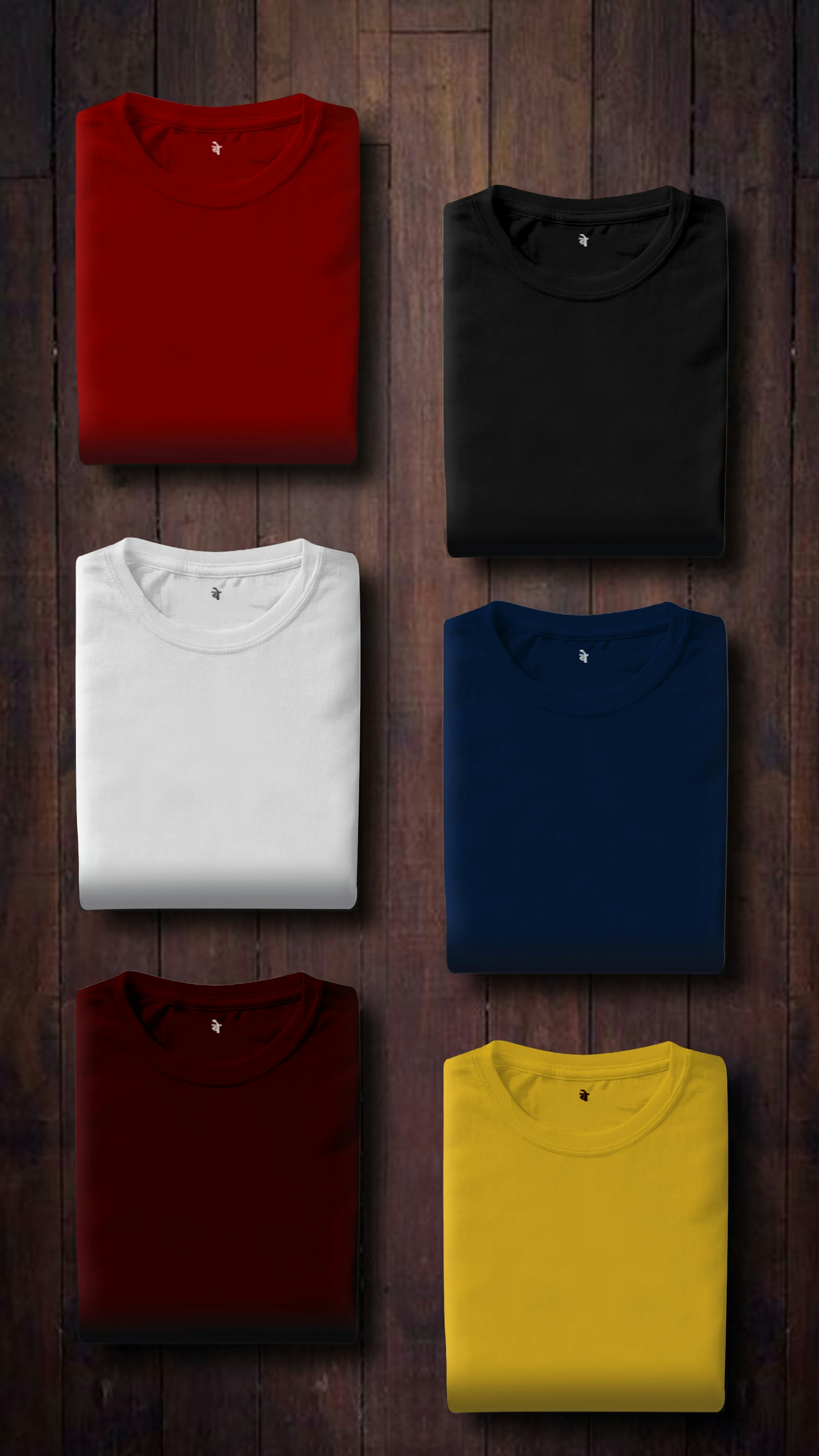
You have an audience. Someone in your comments told you to drop merch. So you open a print on demand app, upload a logo onto a Bella and Canvas tee, set a price, and hit publish. Twenty minutes, zero dollars, a live store. That is the pitch, and the print on demand vs private label question usually ends right there because one side looks free and the other looks scary. It is the wrong place to stop. Print on demand is a great way to sell a sticker. It is a bad way to build something you own.
What print on demand actually is
A supplier like Printful or Printify holds a catalog of blank products. You add artwork. When a customer buys, the supplier prints the design, packs it, and ships it under your store name. You never touch inventory and never pay until a sale happens. The part nobody says out loud is that the blank is not yours. It is a stock garment from Gildan or Bella and Canvas that ten thousand other stores are printing on the same afternoon. Your contribution is the graphic on top.
Private label is the step up. It is your design on a manufacturer's base product, made in bulk and sold only by you, and fully custom means the thing did not exist until you drew it. We compare all three in private label vs white label vs custom manufacturing.
The real economics of a thin cut
Print on demand base costs eat most of the retail price before you sell a single unit. A blank Bella and Canvas tee runs around 12 to 13 dollars on Printful and about 9 dollars on Printify. Sell that shirt at 25 dollars and after the base cost, the platform fee, and the payment processor, you keep a slice, not a stack. Most print on demand sellers land in the 20 to 30 percent net margin range, which is a few dollars per unit before you spend a cent on ads or eat a single return.
Now put it next to owning the product. When you design and manufacture your own item, you control the base cost instead of renting it, and your per unit cost drops as you scale because you can negotiate with the factory. Creators who go this route often keep 30 to 50 percent profit, a different business than shaving a few dollars off a stock tee. We break the math down in owning your brand instead of renting your influence.
The sameness problem, and the quality one
Because you are all printing on the same blanks, your store looks like every other store, and the only thing separating you from the next creator is a graphic. Quality is the other tax you do not control. You cannot hold the product before it ships or check the print alignment, so the first person to inspect your merch is the customer who paid for it, and misprints and color that drifts from the mockup are known problems. When that lands on someone who trusted your recommendation, it is your name on the box.
The deeper problem is the ceiling. A brand is a promise about a specific thing. When your product is a stock blank with your art on it, there is no specific thing, no reason your price can climb, no product people describe to a friend. You compete on design alone, forever, against everyone with the same catalog.
What building from scratch looks like instead
Owning the product flips every one of those problems. You start from an idea rather than a catalog. You pick the materials, the dimensions, the finish, the packaging, and the manufacturer cannot change the spec without your sign off. That is the whole game. A product nobody else can list, made to a standard you set.
Look at what happened with erik oskr. Oskar Flodstrom built furniture in a 120 square foot room under a freeway overpass and posted the process. One video of a pill bottle shaped side table pulled hundreds of thousands of views while he had 4,000 followers. He did not slap that design on a stock end table, because there is no stock catalog for a three foot acrylic pill bottle. It was his. When he launched with real manufacturing behind him, the store did 50,000 dollars on day one and 150,000 dollars in two weeks. You can read the full erik oskr story here.
The old objection was that building a real product meant molds, minimum orders, and a warehouse of inventory you pay for up front. That is not true anymore. Oskar put in no capital and carried no minimums, which is the model No Logo runs on. A flat 25 percent production margin, no upfront inventory, and the creator keeps control of the price and the brand. You do not need to be a designer either. A rough sketch and a clear description are enough to start, which is what we cover in designing a product when you are not a designer.
When print on demand still makes sense
Print on demand earns its place. A fan sticker or a hype tee for a one week moment, or a test to see whether an audience will buy anything before you invest in a real product. The global print on demand market was worth almost 13 billion dollars in 2025, and plenty of that is legitimate demand for fast, low commitment items. The mistake is treating the easy path as the destination. It is not a plan for a brand, because it never gives you a product to build one around.
If you are ready to make something that is actually yours, from the idea to the finished unit on a customer's doorstep, start a project with no obligation.