How to Talk to Manufacturers the Right Way
Learn how to talk to manufacturers with a first message that gets a reply, the questions that reveal a good factory, and the red flags that cost founders money.
Most first messages to a factory get ignored for a boring reason. They are too long, too vague, and they ask for nothing the factory can price. Knowing how to talk to manufacturers is really about giving a stranger on the other side of the world enough to say yes or no quickly, then reading their answers closely enough to tell a real partner from a polite one.
The first message that actually gets a reply
A factory sales rep opens dozens of inquiries a day. The ones that get answered are short and specific. The ones that get deleted read like an essay about your brand journey.
Keep the opener tight. Say who you are in one line, name the exact product, and ask for the three things a factory can answer without a meeting. Price per unit, minimum order quantity, and lead time. Rad Sourcing, a firm that manages overseas production for brands, makes the same point. Introduce yourself, name the product, and ask for a price list and MOQ, because a rep is triaging inquiries and rewards the ones that are easy to quote.
Attach a picture or a rough spec, with target materials, rough dimensions, and the quantity you have in mind. You are checking whether this factory even makes your kind of thing at your volume before either of you spends real time. Start the conversation inside the platform where you found them, an Alibaba thread or their contact form, so your first contact is documented, then move to email once it gets serious. A written trail is your cheapest insurance.
The questions that reveal a good partner
Anyone can quote a price. The questions that matter expose whether a factory actually does your work in house and whether they will still be reachable when something goes wrong.
Ask what they specialize in and what they do not make. A factory that claims it makes everything usually makes nothing well and sends the rest to a workshop you will never see. Ask who your point of contact will be during production and how fast they reply. Ask what certifications they hold if your category needs them. Ask to see a live video call of the floor. A confident factory will walk a camera through the line. A shaky one keeps finding reasons not to.
Then ask the question that separates a vendor from a partner. What happens if a sample comes back wrong. How do we fix it, who pays for the correction, and how long does it take. Their answer tells you more than any price sheet. For a deeper checklist, we wrote a full one in what to look for in a manufacturing partner.
Be specific or pay for their guesses
Every gap you leave in your instructions becomes a decision a factory makes for you, and they make it in the way that is cheapest and easiest for them. That is what happens when you hand over an idea instead of a spec.
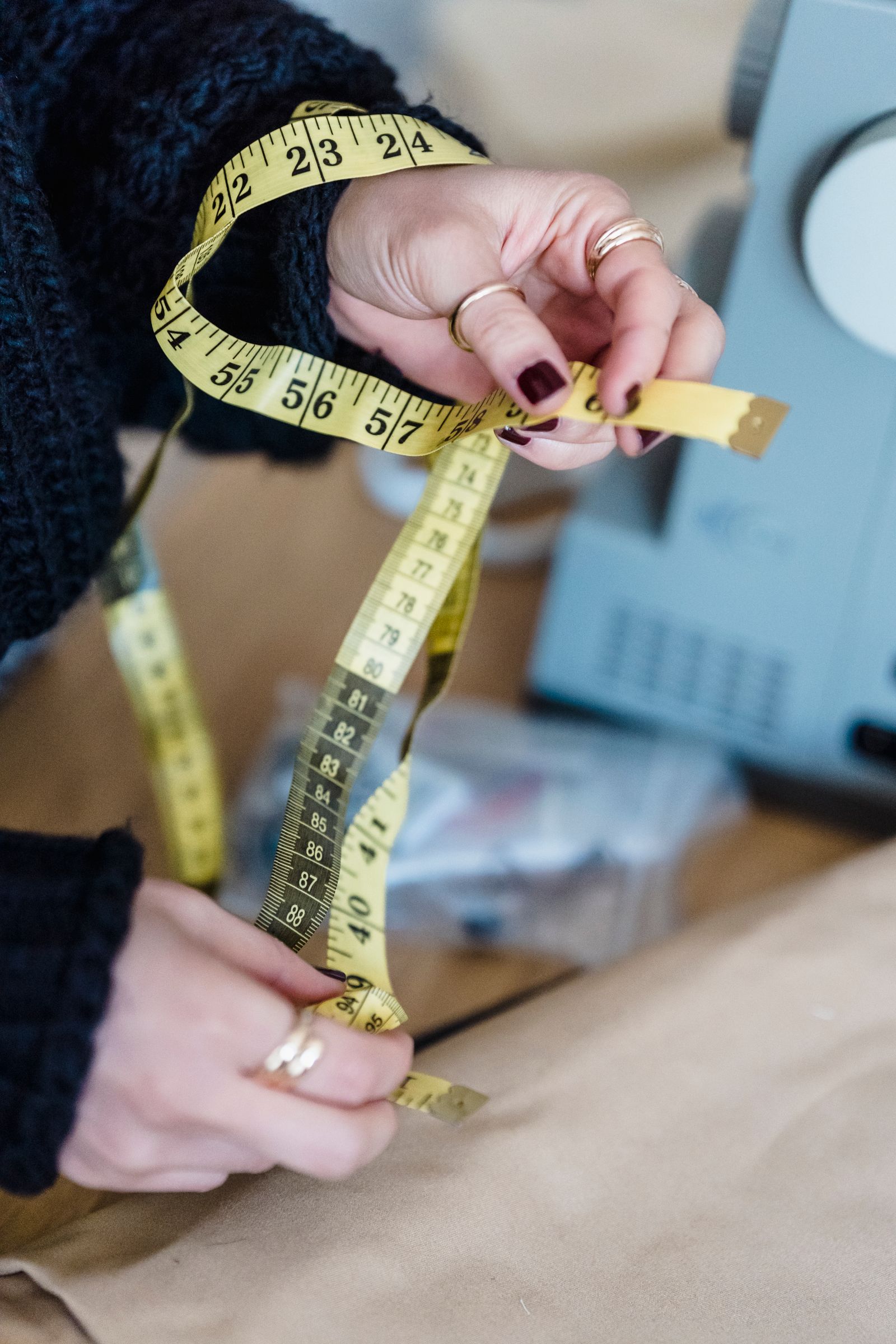
This is what a tech pack is for. It is the document that spells out materials, measurements, tolerances, colors, labels, and packaging so a factory can quote and build accurately. The team at Techpacker, which makes tech pack software, puts it plainly. When you design in one place and manufacture in another, a tech pack bridges the language and cultural gaps by putting your details in numbers and images instead of paragraphs. Factories quote from it and sample from it. Without one, you are trusting a stranger to guess your intent across a language barrier. You do not need to be a designer to make one. You need to be exact. Start with what a tech pack is and how to make one.
Talking price, MOQ, and samples without leverage
Here is the uncomfortable truth of your first order. You have almost no leverage. You are small, unproven, and asking a factory to run a short batch that eats setup time. So stop trying to bully the number down and start trying to change the math.
Factories set minimums to stay profitable, not to torture you. The constraint is usually material minimums, setup cost, or labor efficiency. Once you know which one you are hitting, you can trade. Maker's Row, a sourcing platform for brands, lays out the moves. Offer a higher price per unit so the factory still clears its revenue floor on a smaller run. Simplify the product so it needs fewer specialty components. Use their stock fabrics instead of a custom material with its own minimum. Accept a longer lead time so they can slot you into a slow week.
The strongest card you hold costs nothing. Talk about the reorder on day one. Tell them what sell through would trigger a fast second order, so your small run reads as the start of a relationship rather than a one off. According to Shopify's guide on minimum order quantities, minimums are often the start of a negotiation, not the final word, and a credible reorder plan is what moves them. For the full breakdown, see minimum order quantities explained. On samples, pay for them and expect to. A small sample fee filters out the founders who are not serious.
Red flags in how they respond
You can spot a bad partner in the reply, before any money moves. A quote that is 30 to 50 percent cheaper than every other factory. Sourcy, a sourcing agency, flags this as one of the clearest scam signals, because an unreal price usually means inferior materials or an order that never ships. A request to wire money to a personal bank account instead of a company one. Reps who use free personal email addresses and dodge every request for a video call. Pressure to pay 100 percent upfront before production, which is the moment your leverage disappears entirely.
There is also a quieter red flag that has nothing to do with fraud. It is the word yes. A factory may say yes to mean I heard you, not I agree or I can do that. The Cultural Atlas project, run by SBS in Australia, notes that in much of Chinese business culture a direct no is avoided to save face, so agreement can be softer than it sounds. Phrases like we will think it over or that would be difficult are often a polite no. The fix is simple. Confirm every decision in writing and ask questions that force a concrete answer. Not can you do this, but what date will the sample ship and what is the exact fabric weight.
Why an established partner removes the burden
Read back over everything above. The tight first message, the video call of the floor, the tech pack, the MOQ trade, the yes that means maybe. That is a skill built over years of doing it, getting burned, and forming relationships in a place you have never been.
One founder we work with spent a full year trying to source the right factory for a pants project. A year of samples, dead ends, and factories that could not deliver. He came to No Logo and, because we already have people on the ground in China and a vetted factory network, we sourced and produced his next product, a hoodie, in about two weeks. That gap is not talent. It is access he could not build by himself.
That is the thing worth paying for. Not just manufacturing, but the years of factory relationships and the vetting already done, so the whole conversation above becomes someone else's job. The model stays transparent. A flat 25 percent production margin, no upfront inventory, and you keep control of your brand and your pricing. If you would rather search on your own first, start with how to find a clothing manufacturer and go in with your eyes open. If you would rather skip the learning curve, start a project with No Logo.