Ecommerce Fulfillment Explained for Creators
Ecommerce fulfillment explained for creators, from warehousing and pick and pack to returns, 3PLs, and the support load that quietly breaks new product brands.
The drop is the fun part. You post the video, the comments blow up, the store goes live, and the first orders come in while you are still refreshing the page. That rush is real. But ecommerce fulfillment explained honestly is everything that happens in the sixty seconds after a customer clicks buy, and none of it shows up in the highlight reel.
Someone has to have the product sitting in a warehouse, pull it off the shelf, box it, print the label, and hand it to a carrier. Someone has to answer the person asking where their package is. That someone is either you, at your kitchen table, at midnight, or a partner who does this all day. Most first time brands never think about it until the orders are already stacking up. Then it becomes the thing that quietly breaks them.
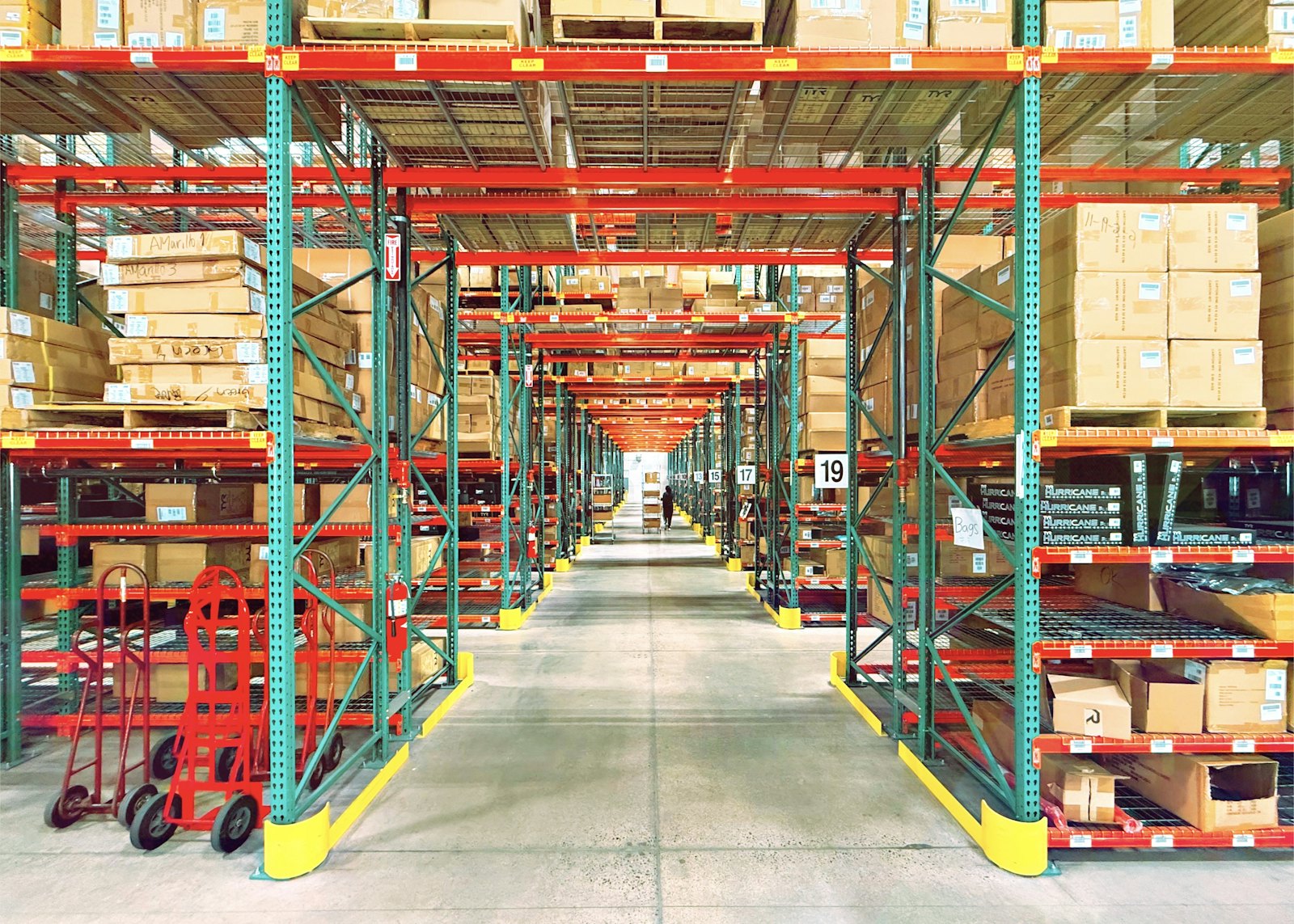
A real fulfillment warehouse. This is where the unglamorous work lives.
What actually happens after add to cart
Picture one order. A customer in Ohio buys your product at 2pm. The item has to already be in stock, which means you paid for inventory weeks ago and it is sitting somewhere climate stable and secure. A worker gets the order, walks to the right shelf, and pulls the exact SKU. That is the pick. Then the pack, wrapping it so it survives a truck and adding any insert that makes it feel like your brand and not a random box. A shipping label gets generated at the right rate for the right zone. The carrier picks it up. Tracking fires to the customer. If anything is wrong, it comes back, and the whole thing runs in reverse.
That is one order. Now run it a thousand times a month, across different products and sizes and addresses, without dropping any. This is the machine people mean when they say a 3PL, short for third party logistics. A 3PL is a company you outsource warehousing and fulfillment to. It stores your stuff, picks and packs your orders, ships them, and usually handles returns. Labor is the biggest cost inside these warehouses, often 50 to 60 percent of what it costs to run one, according to fulfillment pricing guides published for 2026.
The real cost of doing it yourself
Founders love the idea of saving money by shipping from home. The math looks free. It is not. Your time is the first cost. Packing a hundred orders is an evening. Packing a thousand is your whole week, and you are supposed to be making content and talking to your audience, which is the only reason the orders exist.
Hand it to a 3PL instead and here is roughly what the market charges in 2026. Pick and pack averages around 2.75 dollars for the first item and 50 cents for each additional item, per fulfillment cost data from Eightx. Storage runs somewhere between 7 and 30 dollars per pallet per month, receiving fees often 25 to 50 dollars per pallet, and shipping sits on top of all of it. Stack those together and the per order cost adds up quickly before the carrier is even paid, and most warehouses hold you to a monthly minimum that now sits above 500 dollars in the US. None of that is a reason to avoid a partner. It is a reason to price your product with these numbers baked in from day one, which is the point of learning the margin math before you launch.
Returns are not an edge case
Roughly one in five online orders comes back. The average ecommerce return rate for 2025 landed near 19.3 percent, down slightly from about 20.5 percent the year before, based on aggregated returns data. In apparel it can run 20 to 40 percent. A return is not a refund and done. Someone inspects the item, decides if it can be resold, restocks it or writes it off, and processes the money back. That is labor, and it costs real dollars, usually 2 to 5 dollars per return before you even count the shipping. Plan for returns as a normal line in your budget, not a surprise. First time brands that ignore this get a nasty shock in month two.
The support load nobody warns you about
This is the one that ambushes creators. You think support means a few emails. It is heavier than that. Small ecommerce stores field about 88 support tickets for every 100 orders, compared to 56 for larger stores, according to Gorgias's customer service data. Nearly one message for every order. Where is my package. Can I change my size. It arrived damaged. Do you ship to Canada.
And the clock is brutal. Around 64 percent of shoppers say they expect a reply within an hour, per 2025 support benchmarks. You cannot make content, sleep, or live your life while also answering a stranger's tracking question at 11pm on a Tuesday. But if you go quiet, the reviews turn, and the brand you just built starts to wobble. Support is not a nice to have you bolt on later. For a product brand it is a full job from order one.
Do I need a 3PL
If you are shipping more than a trickle of orders and you want your evenings back, effectively yes, either a 3PL or a full partner that includes one. The advantage of a full partner is that manufacturing, warehousing, and support live in the same place instead of three vendors you have to stitch together. With No Logo the whole chain lives in one spot. The product gets made in a vetted factory, stored, picked, packed, and shipped from a real warehouse. Returns get handled. And support runs through the platform, which is the part creators tend to underrate. Your customer reaches No Logo, not you. The angry email about a late package does not land in your DMs at midnight. It lands with a team whose actual job is to fix it.
That is the difference between a brand you own and a second unpaid job. Oskar Flodstrom launched the erik oskr pill bottle side table and did 150,000 dollars in sales in two weeks. He did not spend those two weeks packing boxes and answering tickets. He spent them filming the next thing. You can read how that played out in his story.
The work after add to cart is what kills first time brands, and it is exactly the work a good partner is built to absorb. If you are weighing this, it helps to understand the full launch process end to end and what to ask a partner before you sign. When you want the fulfillment, logistics, and support handled so you can keep making and promoting, start a project with no obligation.