Alternatives to Traditional Manufacturing Explained
A creator and founder guide to alternatives to traditional manufacturing, from print on demand to a full service partner that removes minimums and inventory risk.
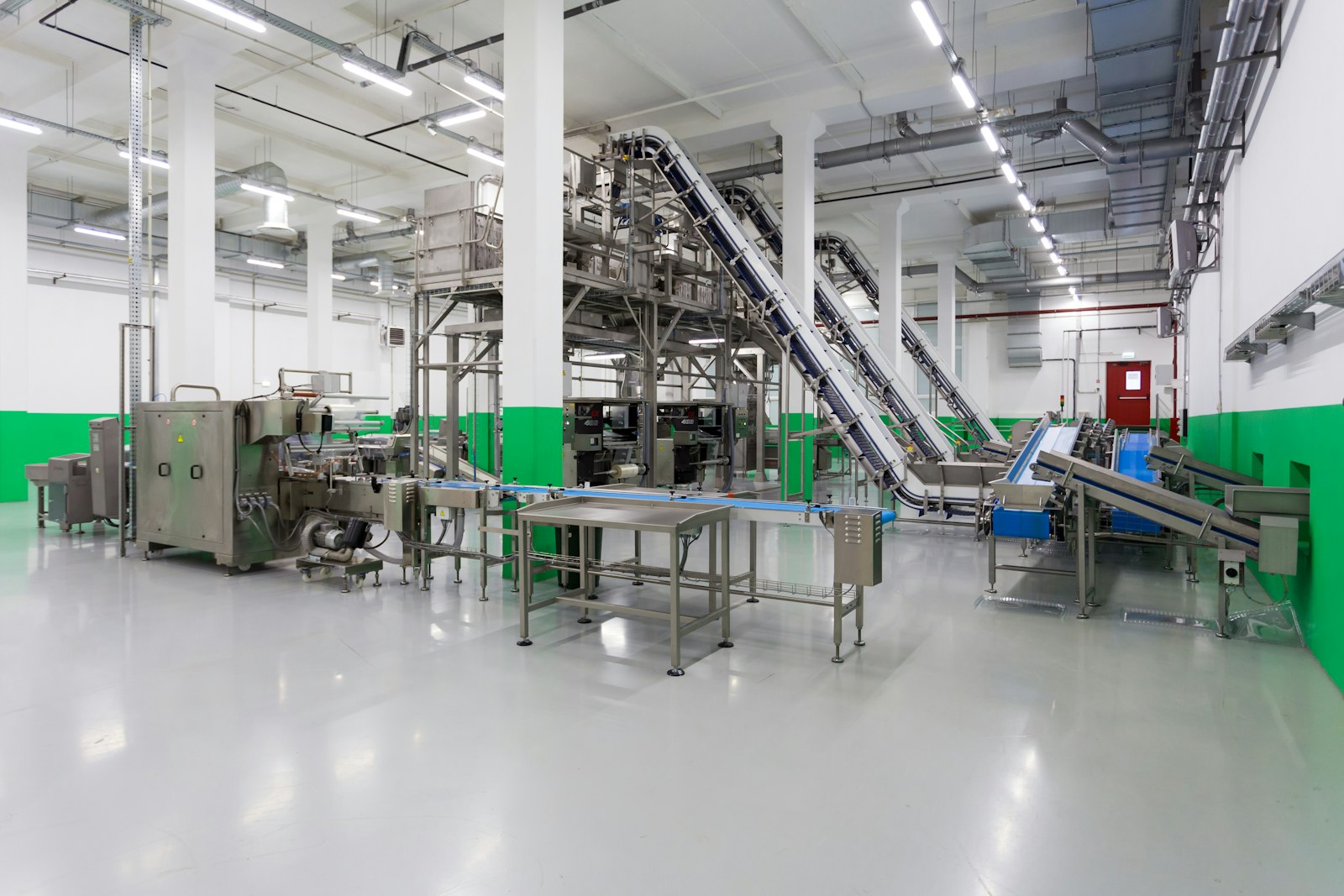
The old way of making a physical product goes like this. You find a factory, wire a deposit, order hundreds or thousands of units up front, wait months, and pray the samples match what shows up on the pallet. For a creator with a great idea, or a founder who already sells something and wants to make the next thing, that feels slow, expensive, and gatekept. So people go looking for alternatives to traditional manufacturing, and the internet hands them a pile of options with no honest ranking. This is the honest ranking. Every path below is real. Every one has a catch.
Why traditional manufacturing frustrates people
Factories set minimum order quantities for a reason. Setup, materials, and machine time cost the same whether you order 50 units or 5,000, so they need a floor. For a clothing startup, a workable first order usually sits around 50 to 150 units at a small workshop and climbs to 300 to 600 or more at a larger overseas factory, a lot of cash tied up in boxes before you have sold a single thing. Then there is the search itself, fighting language gaps, time zones, and trust while judging quality from thousands of miles away. If minimums are your sticking point, minimum order quantities explained covers how they work and how to get around them.
The six paths at a glance
| Path | Best for | The catch |
|---|---|---|
| Print on demand | Testing a design tonight | Generic blanks, thin margins |
| Dropshipping | Adding many SKUs fast | No control, no asset |
| Making it by hand | The earliest proof | Your two hands do not scale |
| Sourcing agent | A founder who knows the drill | You still carry minimums and capital |
| Direct to factory | The lowest unit cost | You carry every risk yourself |
| Full service partner | A real product without the search | You share the margin |
Print on demand
You upload a design, a supplier prints it on a blank only after a customer orders, then ships it. No inventory, no minimums, low risk. The catch is what you are selling. The blank is not yours, per unit costs run high, and margins stay thin. It is a good way to test whether people want your art on a thing, less so to build something they could not get anywhere else.
Dropshipping
Here you do not make anything. You list a supplier's existing product, and when someone buys, the supplier ships it straight to them. Speed is the whole pitch and also the whole problem. The products and packaging are generic, and so is every competitor selling the identical item. Long shipping windows are the number one complaint, and a single supplier price change can erase your margin overnight. The day you stop running ads, there is nothing left. That is the core difference we lay out in dropshipping vs manufacturing your own products.
Making it yourself by hand
A lot of the best product brands started with a person building the thing in a garage or a rented room. But hand made hits a wall fast. As orders climb from 50 to 500 a month, your own two hands become the bottleneck, and the craft that made the product special is the exact thing that cannot scale.
Oskar Flodstrom lived that version. He built furniture in a 120 square foot room under a freeway overpass, posted a video of a pill bottle shaped side table he bent from a sheet of acrylic, and it took off. He could not have hand built the volume that followed, so he turned it into the brand erik oskr with a partner instead. You can read how that played out.
Sourcing agents
A sourcing agent is a person on the ground, usually in China, who represents you. They find and vet factories, negotiate factory direct pricing, run quality checks in person, and consolidate shipping, usually for 3 to 10 percent of the order. A good one can cut your landed cost and keep you out of scams. But quality varies wildly between agents, and you are still the brand of record placing the order, so the minimums and the up front capital are still yours to carry.
Going direct to the factory
The purest version. You skip every middleman, find the factory yourself on Alibaba or at a trade show, and negotiate straight across the table. Done right, this gets you the lowest per unit cost there is. Done wrong, it gets you burned. Direct to factory means you personally carry the language barrier, the quality control, the MOQ, and the deposit. This path rewards people who already know what they are doing and punishes almost everyone else.
A full service partner that carries the risk
Here is the option most people do not know exists. Instead of choosing between generic print on demand and a year long factory hunt, you work with a partner that already has the factory network and the vetting done, and that handles sourcing, manufacturing, and fulfillment as one thing.
That is what No Logo does. You bring the idea and the audience. The team develops the product, sources it through an established factory network, sends you real samples, then manufactures at scale and ships to your customers. No up front inventory, no minimums you meet with your own cash, and a flat 25 percent production margin instead of hidden fees, while you keep control of your brand and your pricing.
One brand came to No Logo after spending a full year trying to find the right factory for a pants project. Because the network in China was already in place, No Logo sourced and produced that founder's next product, a hoodie, in about two weeks. You can see exactly how No Logo works from first message to launch.
None of these paths is wrong for everyone. But if what you want is a real product with your name on it, without fronting the inventory or losing a year to the search, start a project with No Logo.