Best Countries to Manufacture Products in 2026
A practical rundown of the best countries to manufacture products in 2026, what each does well, real costs and minimums, plus the honest 2026 tariff picture.
You have a product and a decision to make. Where do you make it. Search the phrase best countries to manufacture products and you get a stack of ranked lists that all say the same thing. A candle, a hoodie, a side table, and a small electronic device do not want the same factory or the same country. The honest answer is a match between your specific product and the place that makes it well, at a cost and a minimum order you can live with.
Every country has a category it makes better than the rest, and matching your product to the right one is the whole game
How to compare countries without getting lost
Four things decide the fit. Cost, quality, minimums, and tariffs. Most ranking articles only talk about cost, which is how people end up with a cheap unit price and a landed cost that ruins the math. Unit cost is the factory quote per piece. Landed cost is that number plus freight, duties, inspection, and the returns you eat when quality slips. Quality is whether the factory can hit your spec run after run. Minimums decide how much cash you tie up before you have sold a thing. Tariffs sit on top of all of it.
China vs Vietnam vs India
China
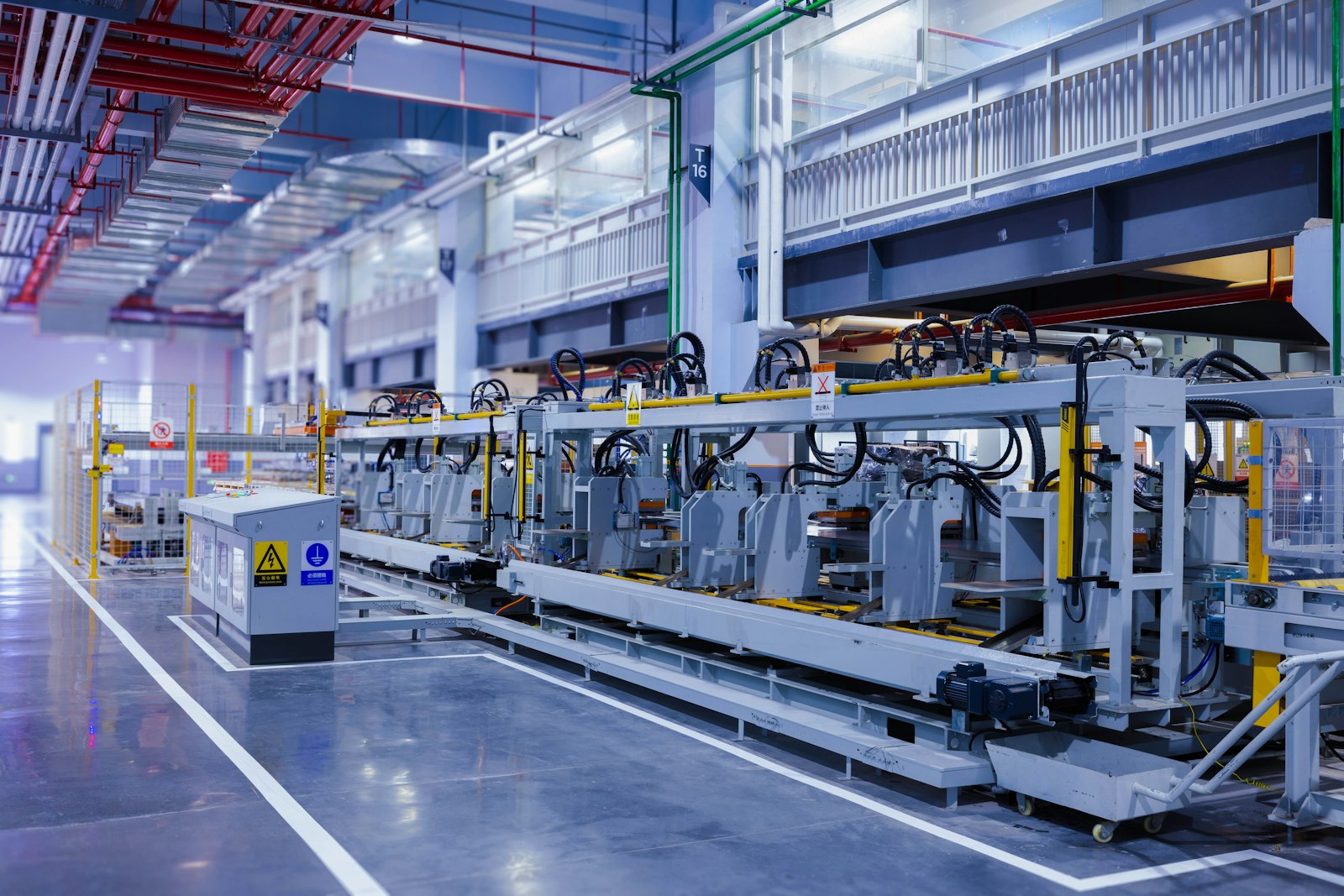
China is still the deepest manufacturing base in the world. The advantage is not just labor, it is the ecosystem, decades of dense supplier networks where the fabric mill, the hardware maker, and the port sit within a short drive of the assembly line. For complex, tooling heavy, component dense products, nothing else matches it yet on speed or capability. Cost and minimums both run higher than they used to. The reason to stay is precision electronics and heavy tooling. The reason to hedge is tariffs.
Vietnam
Vietnam is the workhorse alternative and where most volume leaving China lands. It is strong in footwear, apparel, bags and luggage, furniture, and electronics assembly, with high worker retention and fewer quality surprises. Labor runs cheaper than China. The tradeoff is a thinner supplier base for raw materials, so a Vietnamese factory may quietly import inputs from China anyway, which adds lead time. For a simpler, higher volume product, it is often the cleanest first move off China.
India
India brings the lowest raw labor of the three and real depth in categories China never owned. It leads on cotton textiles and hand finished apparel, with serious muscle in pharmaceuticals. Its manufacturing is more fragmented than China's, which cuts both ways. That means variable quality and more overhead, but also low minimums. Some Indian workshops take runs as small as 100 to 200 units, a gift for a brand testing a first product.
Mexico and the specialists
For a North American brand, Mexico is the nearshore pick. Under USMCA, qualifying goods enter the United States duty free, and cross border freight runs far below Asian routes, so Mexico wins on speed to shelf and fast replenishment. It shines on denim, basics, and any program where getting stock back in weeks beats saving the last few cents per unit. Beyond that, Thailand, the Philippines, Bangladesh, Turkey, and Portugal each specialize in a category worth checking.
The 2026 tariff picture, told straight
This part changes the ranking, and it is genuinely in flux, so treat any single number as a snapshot. Earlier country by country reciprocal surcharges were struck down, and a flat Section 122 surcharge of about 10 percent has applied to most imports. On top of that, Chinese origin goods still carry Section 301 duties, which stack, and trade trackers put the effective rate on many Chinese consumer goods around 35 percent in 2026. Vietnam has been sitting at the flat surcharge. India moved to about 18 percent under a bilateral deal announced in February 2026. Mexico stays duty free on USMCA qualifying goods.
Two honest caveats. That Section 122 surcharge was reported as set to expire in late July 2026, so the exact stack may look different by the time you order. And tariffs depend on your specific product's classification, not just its country, so your real rate can differ from any headline. For the fuller macro story, see how 2026 tariffs are hitting D2C brands, and for the legal ways to bring duty down, read how to reduce tariff and duty costs.
A quick map to keep in your head
- China. Best for complex, tooling heavy, and precision products. Highest capability, higher cost, watch the tariff stack.
- Vietnam. Best for footwear, apparel, furniture, and electronics assembly. Lower labor, thinner supplier base.
- India. Best for cotton textiles, embellished fashion, pharma, and low minimum test runs.
- Mexico. Best for North American brands that need speed, replenishment, and USMCA duty free treatment.
- The specialists. Thailand, the Philippines, Bangladesh, Turkey, and Portugal each own a niche worth checking.
You do not have to pick blind
The right answer is often more than one country, and it changes per product. Running that alone means building two or three factory relationships from scratch, and the china plus one approach only works if someone can actually manage the second source.
A partner with real presence in China and a vetted network across regions changes that. No Logo already has the factory access and the vetting done, so matching a product to the right place is a decision, not a year of searching. One brand came to No Logo after a full year trying to find the right factory for a pants project alone. Their next product, a hoodie, was sourced and produced in about two weeks, because the relationships were already in place. The model stays simple. A flat 25 percent production margin, no upfront inventory, no minimum order lock in, and you keep your brand and set your own pricing. If you are still weighing the move, how to find a factory overseas walks through the search the long way.
Picking the best country is really about matching one thing you make to the one place that makes it well, then staying flexible when the tariff math shifts. You can figure that out alone over months, or you can talk your product through with No Logo and let a team that already works across these countries tell you where yours belongs.