Creator Economy Trends 2026 From Ads to Ownership
The future of the creator economy belongs to people who own products, not people renting influence through ads and sponsorships. Here is why the shift is here now.
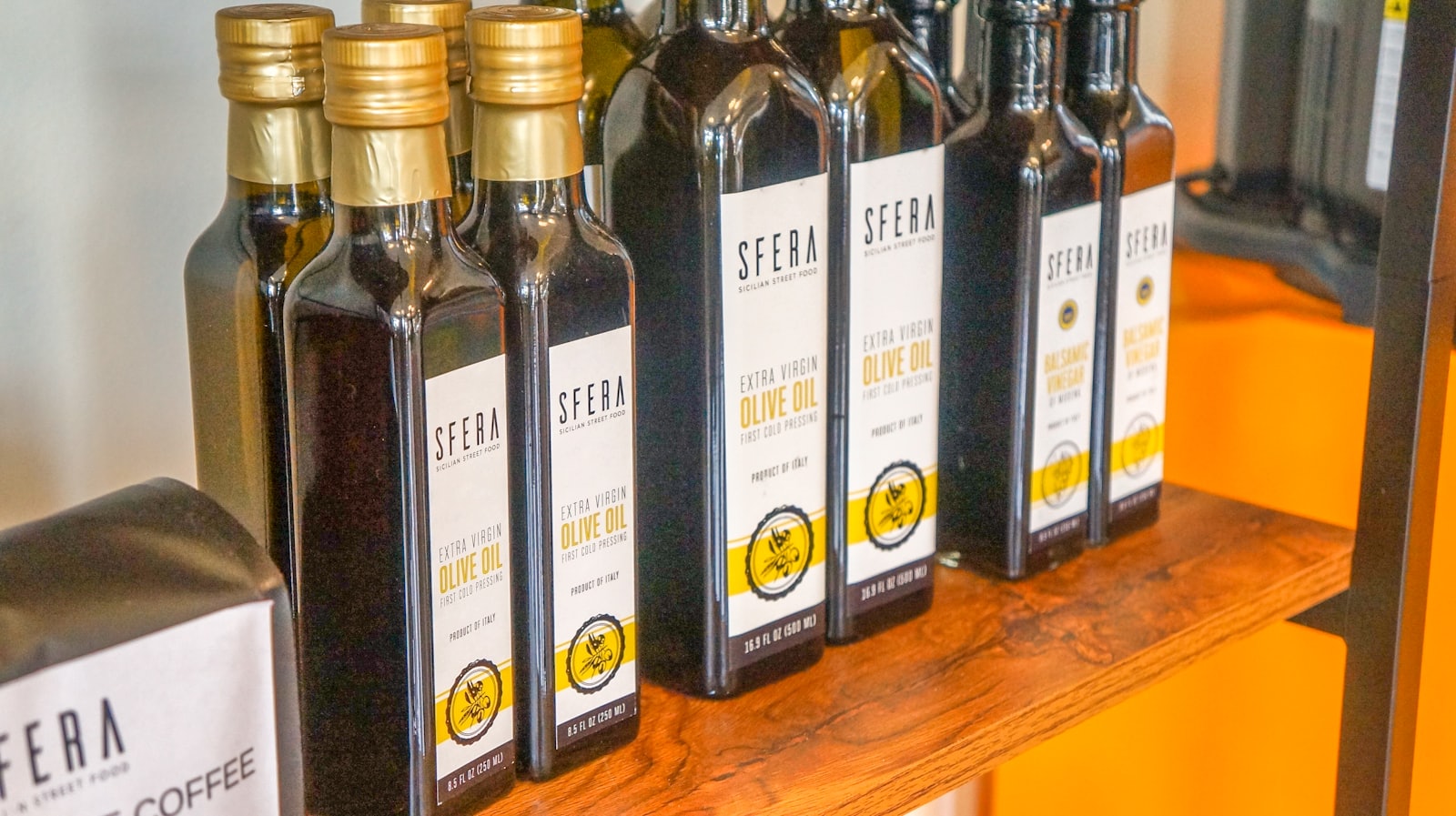
The future of the creator economy is not a bigger ad deal. It is a shelf. For a decade the model was simple. Build an audience, then rent it out to brands one campaign at a time. That made a lot of people real money, and it is also starting to strain. The creators paying closest attention have already moved on to building products they own.
Look at where the money lands now. In 2024, according to investor documents reported by Bloomberg and Fast Company, MrBeast's chocolate brand Feastables did around 250 million dollars in sales and more than 20 million in profit, while his media business lost about 80 million. The candy bar carried the creator, not the other way around.
How creators got paid for a decade
The old stack had three floors. Platform ad revenue at the bottom, which the creator cannot control or price. Brand sponsorships in the middle, one deal at a time. Affiliate links on top, a small cut of a sale that belongs to someone else. Every floor has the same crack. You own none of it. The platform sets the rate and can redirect your attention tomorrow, the brand moves on when the quarter ends, and the affiliate program keeps the customer and the data while handing you a single digit percentage. No Logo's own numbers put affiliate margins around 5 to 8 percent. That ceiling is why a growing share of creators now treat brand deals as pocket money rather than a foundation.
The creators who already made the jump
This is not a prediction. It already happened at the top. Emma Chamberlain launched Chamberlain Coffee in 2019, and it now sits on shelves at Target and Walmart. Logan Paul and KSI built Prime into an energy drink you can find in gas stations. Alix Earle took equity and a revenue share in the soda brand Poppi instead of a flat fee, and when PepsiCo acquired Poppi for 1.95 billion dollars in 2025, Forbes reported that stake helped her earn at least 8 million that year. They stopped selling access to their audience and started selling something the audience could buy and keep.
Why owning a product is the durable move
Ads and sponsorships are income. A product brand is an asset. Income stops when you stop posting, but a product brand keeps selling while you sleep, builds a customer list that is yours, and generates repeat purchases. No Logo's model shows creators earning 30 to 50 percent profit on products they own versus that 5 to 8 percent on affiliate sales, a gap that changes what the same audience is worth by an order of magnitude. Ownership also survives the platform, because none of the algorithm changes touch a customer who already has your product on their counter. The longer argument is in you don't own your audience until you own the product, and the patterns in how creators turn audiences into product sales.
What still stands in the way
If ownership is so obviously better, why has it mostly been reserved for people with nine figure valuations. Because the wall between a creator and a real product is manufacturing. Finding a factory as an outsider is hard, minimum order quantities demand thousands of units before you have sold one, and wiring money for a sample that never becomes something you can sell is a real risk. Emma Chamberlain and MrBeast could hire operators and front the capital. A creator with a strong audience and a good idea usually cannot, so they stay renting by default.
How the barrier is coming down
Oskar Flodstrom was 23 and building furniture in a 120 square foot room under an interstate overpass. He filmed a pill bottle shaped piece he bent out of a sheet of acrylic, and it did 500,000 views while he sat at 4,000 followers. He submitted a sample, it got manufactured through an existing factory network with no minimums and no money out of his pocket, and he launched his brand erik oskr. The store did 50,000 dollars on day one and 150,000 in two weeks. A creator with 4,000 followers now reaches what used to require a warehouse and a war chest, because the infrastructure handles manufacturing, fulfillment, logistics, and support while the creator keeps the brand, the pricing, and the margin. If you have the audience and the idea, that is the whole starting requirement now. Start a project with No Logo.
The next decade of the creator economy will not be won by whoever lands the biggest brand deal. It will be won by whoever builds something their community keeps coming back to buy.