How to Turn a Viral Moment Into Sales Fast
A viral spike lasts days not weeks. Here is how to turn a viral moment into sales, capture the attention into a channel you own, and have something to sell.
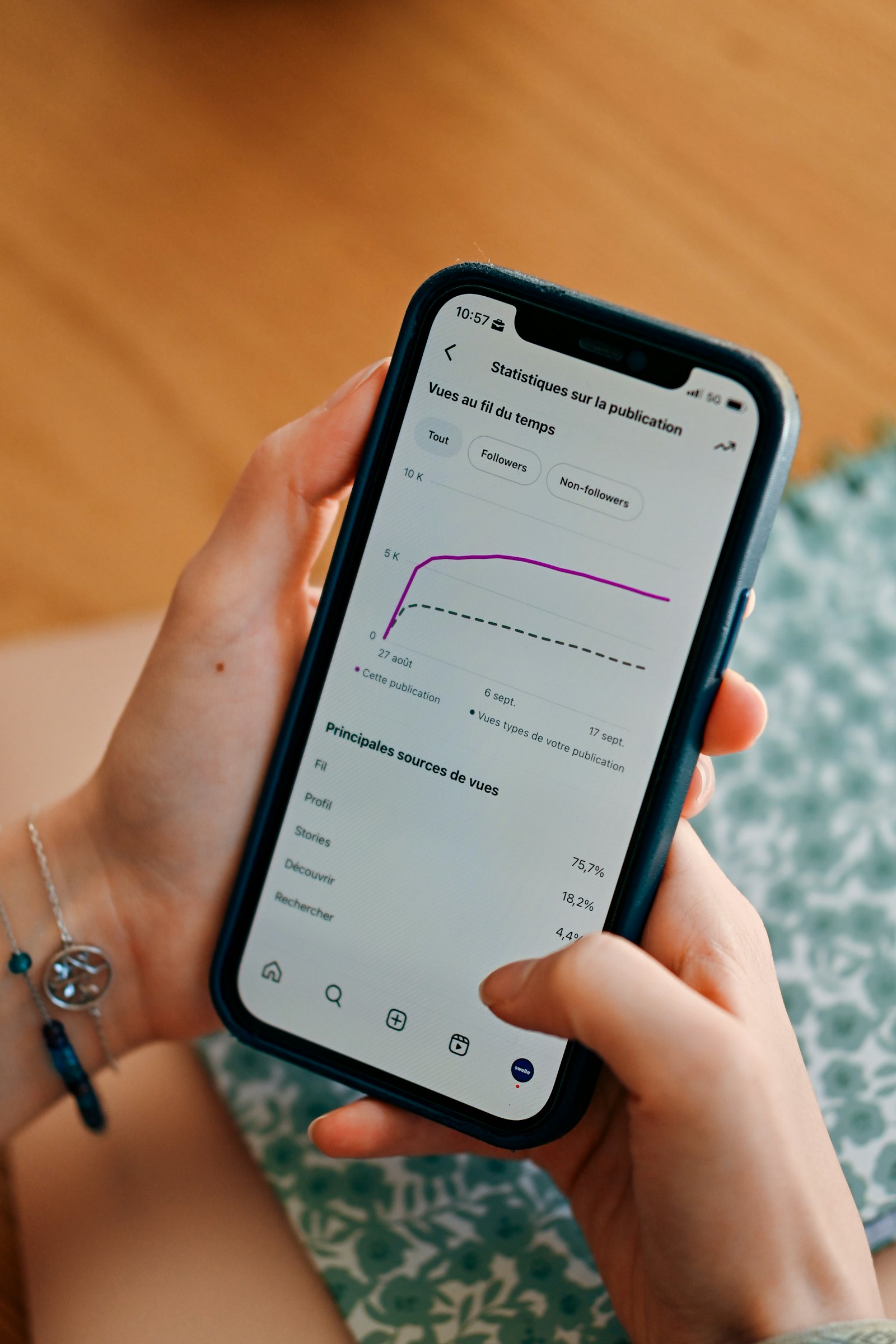
The video is climbing. The follower count is moving in real time, the comments stack up faster than you can read them, and strangers are asking where they can buy the thing you made. Turning a viral moment into sales is mostly about speed, because the wave you are riding is already starting to break. Most creators watch it pass, not because they did anything wrong, but because they had nothing to sell and nowhere to put the attention.
Why the window is so short
A viral moment feels enormous while you are inside it, but on the calendar it is tiny. The 2026 Metricool TikTok study found that posts collect 96 percent of their total reach and nearly 98 percent of their interactions within the first 10 days, and most of the real heat lands in the first day or two. The same study reported video views down 31.30 percent year over year as uploads climbed more than 72 percent, so more creators are fighting for a shrinking pool of attention. The moment is the raw material, and what you build from it in the next 72 hours is the win.
Capture the spike into something you own
The followers you gain during a viral run are the ones least likely to ever see you again. The algorithm brought them to you once, and it is under no obligation to do it twice. Recent 2026 data compiled by Social Plus put average Instagram reach at roughly 3.5 percent of a brand's followers per post. So move the attention onto a channel you control. A follower is a rental. An email address is an asset. When someone tells you they want to buy, open an email waitlist and point every comment toward it, or put up a preorder page the same day. Email is also a better place to sell, with Omnisend's 2026 benchmarks putting returns at 36 to 42 dollars per dollar spent. For the deeper case, read you do not own your audience until you own the product.
How to sell when you have nothing ready
You do not need finished inventory to monetize a viral video, just something a person can act on today. If the product exists, sell it. If it does not, presell it. A preorder lets people pay now for a thing that ships later. It banks the demand while it is hot and tells you exactly how many units to make before you risk a dollar on production. We cover the full playbook in how to run a presale.
Oskar Flodstrom is the clean example. He posted a clip of a pill bottle shaped side table he built in a tiny workshop, it took off while he had around 4,000 followers, and he turned it into a real product. When his brand erik oskr opened its store it did 50,000 dollars on day one and 150,000 dollars in the first two weeks. The full story is in Oskar's story.
Do not rush the product and blow the goodwill
There is a fast way to kill everything you just earned. Panic, grab the first supplier who answers, and ship a worse version of the thing that made people fall in love. If the product that lands on a doorstep feels cheaper than the one in the clip, the goodwill curdles. Moving fast and keeping quality feel like opposites when you are scrambling alone at 2am to find a factory, and the way you keep both is to not do it alone.
Fast production turns a moment into a business
Production is what lets you keep the spike, and it is the part you cannot conjure overnight, because the factory relationships that make speed possible take months or years to build. We break down that side in how to scale production after going viral. This is the honest case for No Logo. We run an established, vetted factory network with people on the ground in China, so a creator mid spike gets a real timeline instead of a maybe. One founder spent a full year hunting for the right factory for a pants project alone, and his next product, a hoodie, was sourced and produced with No Logo in about two weeks. You keep the brand, you set the price, there is no upfront inventory to gamble on, and the margin is a flat 25 percent. If a spike is happening this week, get in touch with the team and move now.