Should Creators Run Paid Ads for Their Own Product
Should creators run paid ads for their own product brand? When paid makes sense, why to prove the product organically first, and the margin ads need to work.

Most direct to consumer brands spend their first year and a big chunk of their budget buying something you already have. Attention. A DTC founder launches with zero audience, so every sale has to be rented from Meta or TikTok on day one. You start on the other side of that problem. So should creators run paid ads for their own product? Sometimes, and later than you think. The organic reach you built is the cheapest customer acquisition you will ever get, and burning cash on ads before you have used it is how good products lose money early.
Here is the honest version of when paid makes sense, why to prove the product with organic first, how to turn your own content into the ad, and the margin you need before any of it pencils out.
The organic advantage creators start with
A cold ad account is expensive. In 2026, benchmark data from Stackmatix and Mako Metrics puts the average Meta CPM at roughly 11 to 15 dollars per thousand impressions, and TikTok in feed campaigns tend to run cheaper, around 3 to 8 dollars per thousand for standard placements. That is what a stranger's attention costs. You are paying to introduce yourself.
Your organic audience already skipped that line. They know your face, your taste, and why you would make this thing. When you post a product to people who have watched you for months, the trust is already paid off. That is the exact asset DTC brands try to manufacture with paid ads, and they rarely match it.
Oskar Flodstrom is a clean example. He posted a video of a three foot pill bottle side table he built, it did 500,000 views, and he had only 4,000 followers at the time. He proved demand for free. When his brand launched, it did 50,000 dollars on day one, and only after that did he start hiring someone to run ads. Organic came first. Paid came once there was something worth amplifying. You can read the full story in Oskar's launch.
Should creators run paid ads yet, or prove the product first
Ads are an amplifier, not a starting gun. If the product does not sell to a warm audience that already likes you, paid traffic will not fix it. It will just help you lose money faster and with better reporting.
So prove it organically before you spend a dollar. Post the product. Watch what happens when your own people see it.
- Do videos about the product hold attention, or do people scroll
- Do comments ask where to buy, or go quiet
- When you drop a link, what share of viewers actually convert
- Which piece of content drove the most sales, and why
If a plain organic post converts your audience, you have found a message that works and a product people want. Now paid has a job. You are not asking ads to prove the concept. You are asking them to take a thing that already sells and put it in front of more people who look like your existing buyers. That is when creator ads versus organic stops being a competition and starts being a relay.
If organic falls flat, that is not a signal to spend more. It is a signal to fix the product, the price, or the pitch first.
Why margin decides whether ads work
This is the part that quietly kills most ad accounts. Ads do not fail because the creative is bad. They fail because the margin was never there to absorb the cost.
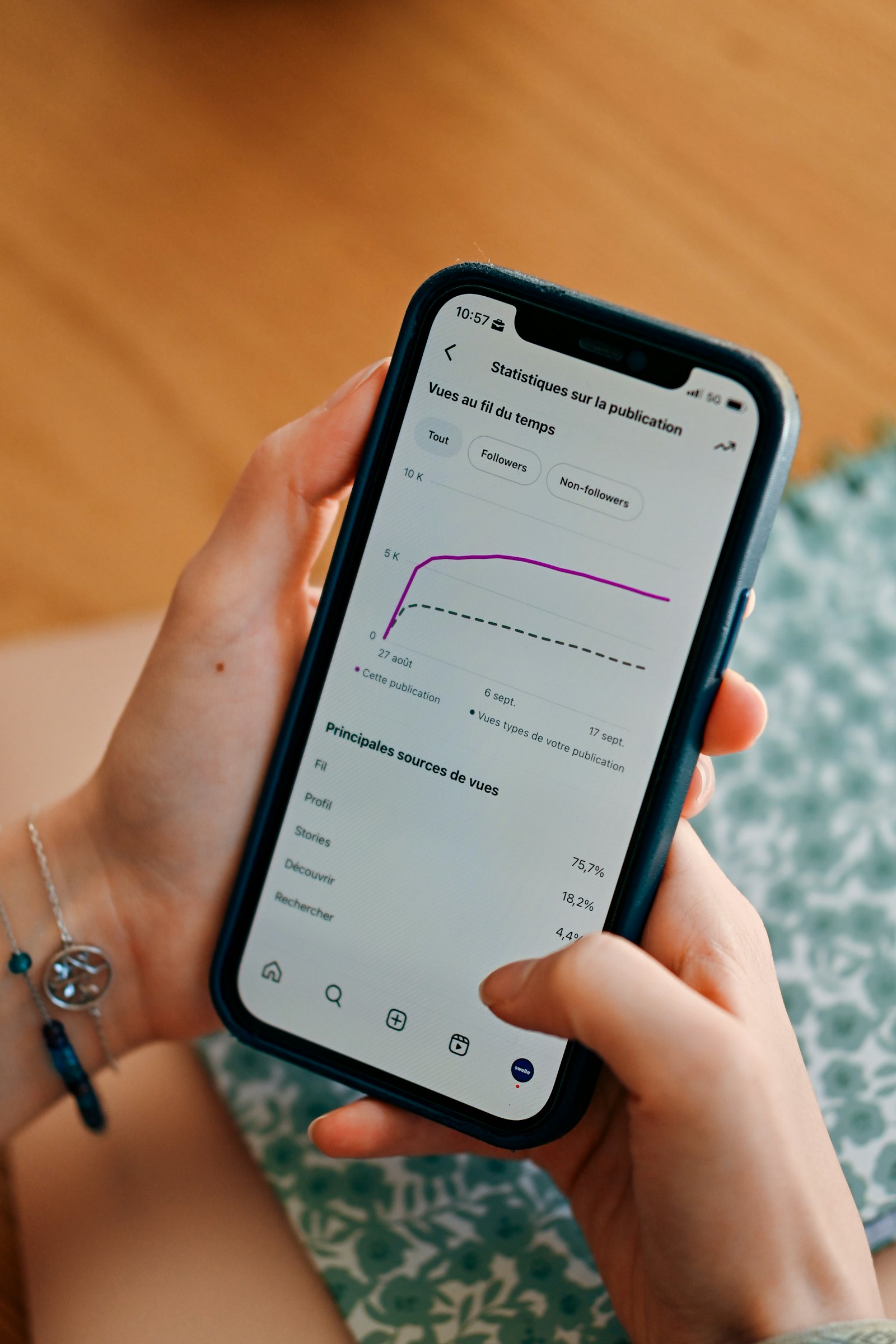
Ad platforms report performance as ROAS, return on ad spend. Spend one dollar, make some multiple back. Hawky's 2026 ecommerce benchmarks put the average across brands at about 2.87 to 1, with the median lower at 2.04 to 1. So a realistic result is somewhere around 2 to 3 dollars in revenue for every dollar of ad spend, not the 10 to 1 dreams people quote.
Now hold that against your margin. Your break even ROAS is just one divided by your gross margin. If you keep 25 percent of each sale, you break even at a 4 to 1 ROAS, and most campaigns never touch that, so you lose money on every ad. If you keep 50 percent, you break even at 2 to 1, which is inside the range real campaigns actually hit. Same ads. Same platform. The only thing that changed was margin, and margin is what let you stay in the game.
Take the numbers from a healthy product. Say it costs 120 dollars all in to make and land, and you sell it for 200. You keep 80, a 40 percent margin, so you break even around a 2.5 to 1 ROAS. That is reachable. Now imagine the same 200 dollar product cost you 160 to make because of retail markups and middlemen. You keep 40, a 20 percent margin, and now you need a 5 to 1 ROAS just to not lose money. One of those products can run ads. The other one cannot, and no amount of clever creative changes that.
This is the real reason margin comes before paid. If your product is built on thin margins, ads are a trap. If it is built on healthy ones, ads are fuel. We go deeper on the math in how to price a product you manufacture and on where margin leaks away in the true cost of retail markups.
If thin margins are the thing standing between you and ads that could actually work, that is worth fixing before you spend anything. You can submit your product idea or a physical sample at form.nologo.com with no obligation and see what the real production cost looks like, so you know the margin you are working with before you ever open an ad account.
Use your own content as the ad creative
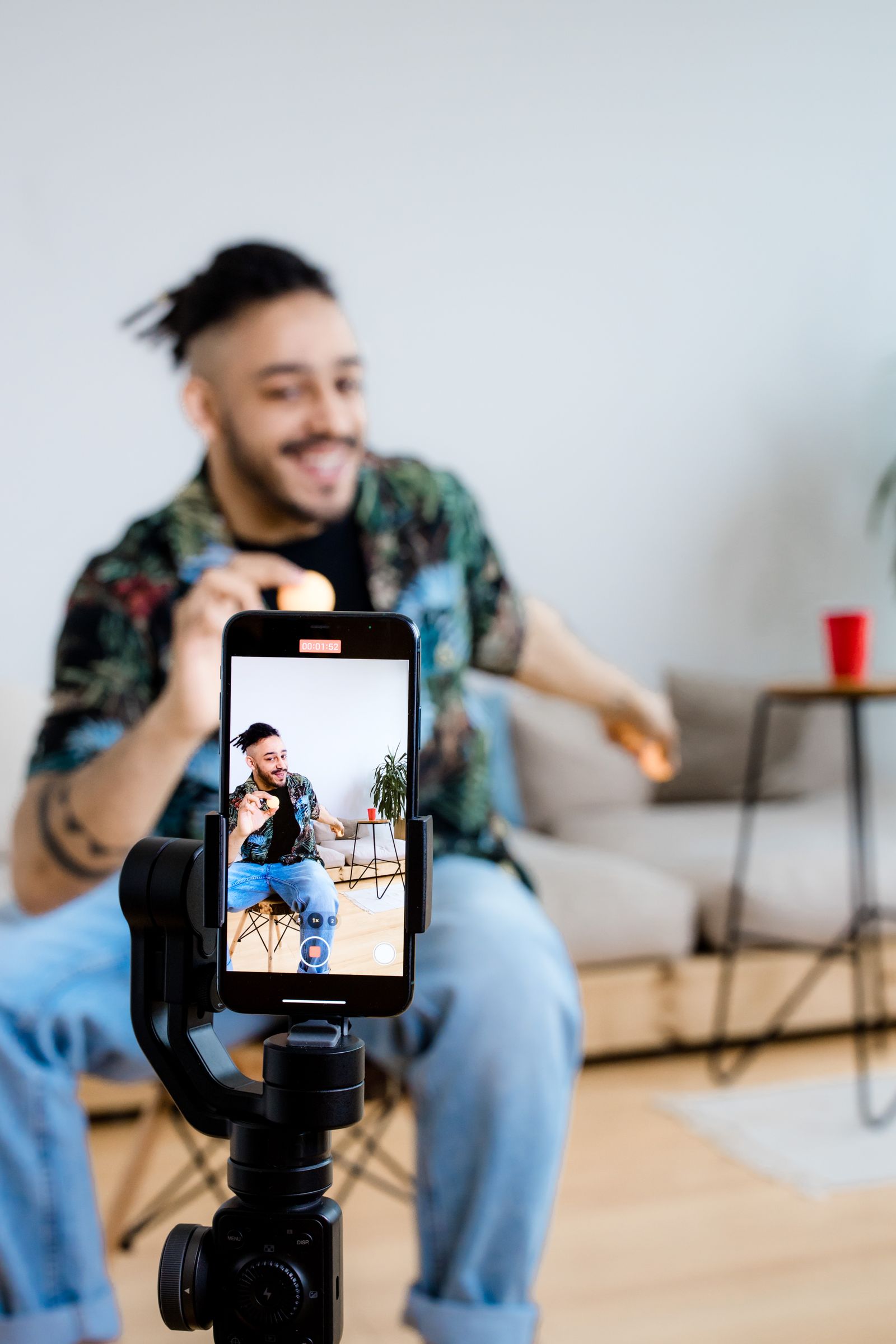
Here is the advantage that makes paid actually cheap for you. The best performing ads on Meta and TikTok right now look nothing like ads. They look like a person talking to a camera, which is the thing you already make every day.
The pattern is well documented. Billo's 2026 roundup of creator content data and Meta's own case studies point the same direction, with creator style and user generated video generally outperforming polished studio ads on cost per acquisition. Brands pay creators real money to fake the exact footage you shoot for free.
So do not commission a slick commercial. Take the organic video that already sold the product, the one your audience responded to, and run that as the ad. It converts because it is the real thing, and it costs you nothing extra to produce. A few practical moves.
- Turn your best organic post into your first ad and let spend follow proven content
- Shoot three or four short variations so you can test hooks without a production budget
- Keep it in your voice, because the whole reason it works is that it does not feel bought
- Refresh the creative when performance dips, since your audience has already seen it
More on converting attention you already earned in turning a viral moment into sales.
Start small and let the numbers lead
You do not need a big budget to learn whether ads work for you. Put a small daily amount behind your best organic content, aimed first at people who already follow you and then at audiences that resemble your buyers. Watch the ROAS against your break even number, not against a fantasy.
If a campaign clears your break even and holds, scale it slowly. If it does not, stop, and go back to organic, which was working for free anyway. Ads should earn their budget every week. Nothing about being a creator requires you to run them, and plenty of strong creator brands grow on organic alone for a long time. Paid is an option you earn once the product, the message, and the margin all check out.
Where NO LOGO fits
Everything above rests on one thing. Margin. Ads only work when you keep enough of each sale to pay for the traffic and still profit, and that is decided at the factory, not in the ad account. NO LOGO is built to protect that margin. You get a transparent 20 percent production margin, no upfront inventory to buy, a vetted factory network, and you keep full control of your brand and your pricing. On a 200 dollar product that costs 120 to make, you keep 80, and that is the difference between ads that fuel growth and ads that quietly drain the account. That is also why the model works whether you are a creator with an audience or a founder who already sells something and wants better math. The margin is real, so paid has room to breathe.
You do not have to guess at any of this. Send your idea or a sample to form.nologo.com with no obligation and see a real product and a real cost, or get in touch with the team at nologo.com/contact if you want to talk through the numbers first. Prove the product with your own audience, keep the margin healthy, and then, only then, let paid ads do what they are good at.