How to Start a Product Brand as a Creator
A creator's honest walkthrough of how to start a product brand as a creator, from your first idea and a real sample to pricing, launch day, and the week after.
Most guides on how to start a product brand as a creator skip the parts that actually decide whether you make money. They talk about branding fonts and Instagram grids, not the ugly first sample, the moment you set a price and feel sick, or the day you sell out and realize you never checked whether your checkout worked on a phone.
This is the end to end version. Idea, design, a real sample, manufacturing, pricing, launch, and the week nobody warns you about. Oskar Flodstrom shows up throughout as a real example, because he did this with 4,000 followers and a workshop under a freeway.
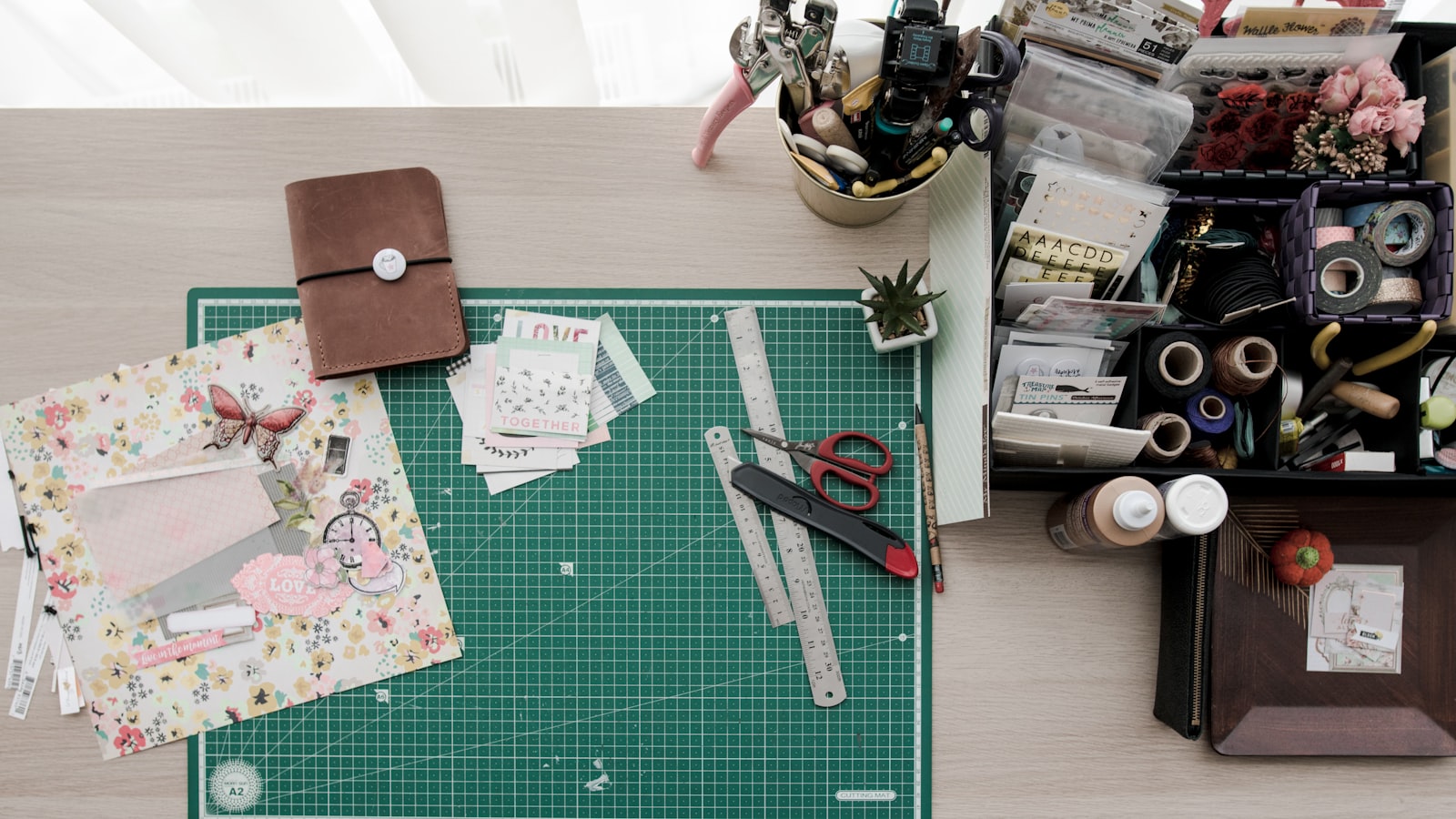
A product brand starts on a messy table like this one, not in a boardroom
Do you have enough audience yet
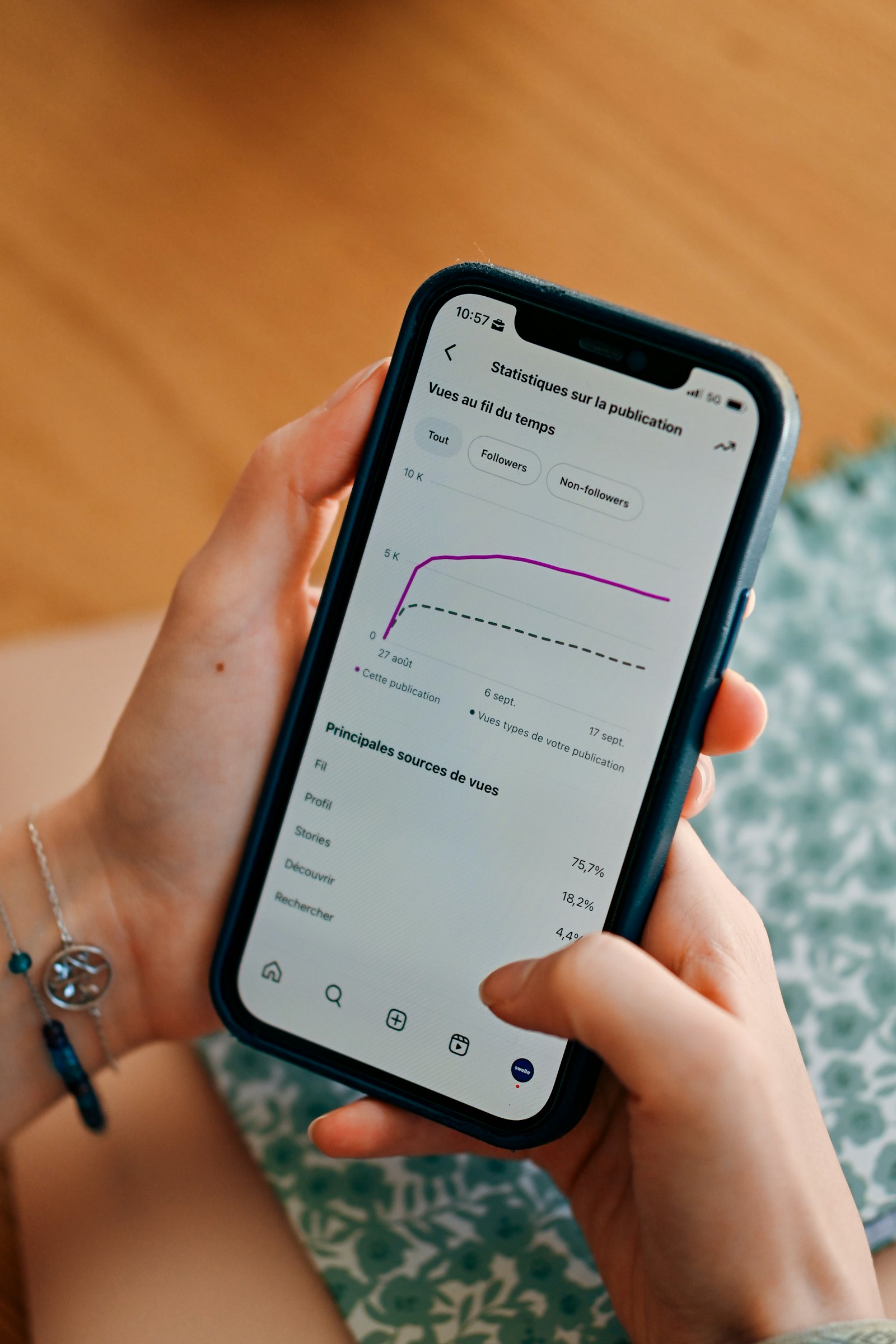
Probably. The number you think you need is almost always too high. Follower count and buying power are not the same thing, and as audiences grow, engagement tends to fall. Instagram nano creators under 10,000 followers pull around 6.23 percent engagement, several times what mega accounts get, according to 2026 data compiled by Archive. Micro creators drive meaningfully higher conversion than celebrities because their audience actually trusts them. Reach is not the asset. Trust is.
Oskar is the proof. He filmed the process behind a three foot pill bottle shaped hamper made from acrylic he found on the side of the road. The hamper hit 500,000 views. He had 4,000 followers, and that was enough, because those 4,000 people believed he could actually build the thing. The honest test is simple. Do people in your comments ask where they can buy what you make, and does your audience know what you stand for? If yes, you have enough.
Pick a first product that fits your audience
The right first product is not the one with the best margin. It is the one your audience already expects from you. Oskar did not launch a skincare line. He builds furniture and home decor on camera, and his flagship became the Pill Bottle Side Table at 225 dollars. Same energy as the video that blew up, no explanation required. When the product is a natural extension of what you already make, you skip the hardest part of selling, convincing people you are credible.
Keep the first one simple. One product, one clear use. Do not launch a nine item collection when you have never shipped a single unit. There is a full framework in what to launch first, but the short version is to bet on the thing your audience would be least surprised to buy from you.
Turn an idea into a design without a design team
You do not need to be a designer. You need to communicate the idea clearly enough that someone can build it. Start with what you have. A sketch, a phone photo of a rough version, a reference image marked up with what you would change. Oskar submitted a sample built from a bent acrylic sheet, and that was the whole spec. From there, materials, sizing, and the production details get figured out with a partner who has done it before. This is where most solo creators stall, because translating a vibe into a spec is genuinely hard. If you want the step by step, read designing a product when you are not a designer.
Hold the sample before you launch
Never launch a product you have not touched. A design that looks flawless on screen can ship with sink marks in the plastic, an off color dye lot, or a joint that wobbles. One sourcing writeup put it bluntly, a 200 dollar prototype can save you from a 6,000 dollar production mistake. You catch those problems by holding the sample, not when a customer emails you a photo of a cracked one.
This is also your gut check. Does it feel worth the price you are about to charge? Oskar submitted his sample, got the finished version back, and only then launched. Sample first, launch second, always.
Who actually makes it and ships it
This is the part that scares creators off, and the part you should hand to someone else. Manufacturing means vetted factories, sampling, and quality control. Fulfillment means warehousing, pick and pack, shipping, and returns. Support means a buyer's problem goes to a support team, not to your DMs at midnight. None of that is your genius. Your genius is the idea and the audience.
This is the model No Logo runs. You bring the idea and the following, the team handles production, fulfillment, logistics, and support, and you keep the brand. The economics are a transparent 25 percent production margin with no hidden fees and no upfront inventory. The full timeline runs roughly 6 to 8 weeks from first contact to a finished product, and 41 creator brands have moved more than 20 million dollars in products this way. If you want the money side first, how to price a product you manufacture breaks the margin math down.
Pricing and the launch itself
Pricing is where creators flinch. Do not. You set the retail price and keep control of the margin. On a factory cost of 100 dollars, the production cost lands around 125 dollars with the 25 percent margin. Sell at 200 dollars and you keep 75 dollars per unit. That is roughly 30 to 50 percent profit on a product you own, versus the 5 to 8 percent a creator typically nets on affiliate links.
The launch is more logistics than magic. A basic Shopify store can go live in a few hours once you have photos, descriptions, and a price ready. Write a real About page, a contact page, and clear policies, then test the full checkout on your own phone before you remove the password. A broken mobile checkout on launch day is a self inflicted wound.
Then the mistake almost everyone makes. They go cold. Cold launches need 5 to 10 times the paid spend of a warm one to hit the same revenue, because you are starting from silence. Warm the audience first. Tease the sample, build a waitlist, show the process for two to four weeks, and spend most of your energy before launch day. Oskar had been filming his builds the whole time, so the demand already existed. It did 50,000 dollars on day one.
The week after launch day
Launch day is not the finish line. It is the first data you have ever had. Two weeks in, Oskar's brand erik oskr had done 150,000 dollars and he personally took home 34,000, roughly two years of his old income teaching swim lessons. His following went from 4,000 to 31,000, and he used the money to fund an apartment, a truck to haul supplies, and five new sample products. Read what sold and what did not, keep making content, answer the people who bought, and put the first profit into the next sample.
You already did the hard part. You built an audience that trusts you. Turning that into a product you own, instead of renting your influence to someone else's brand, is a smaller leap than it looks. Oskar was living in a 2,000 dollar Mercedes when he made it, and the full story is worth reading in Oskar's case study. When you have the idea and the audience and you want the making, shipping, and support handled, start a project with No Logo.