How to Get Your First 100 Customers as a Creator
A tactical playbook for getting your first 100 customers using the audience you already have, warming them before launch, and turning early buyers into proof.
The first hundred are the hardest hundred you will ever sell, and they almost never come from ads. If you are staring at a launch date wondering how to get your first 100 customers, the honest answer is that they are already following you. They watched the video where you made the thing. They asked in the comments where to buy it. Your job is not to find strangers. It is to make it stupidly easy for the people who already trust you to hand you money.
The whole game is turning a follower into someone holding your product.
Mine the audience you already have
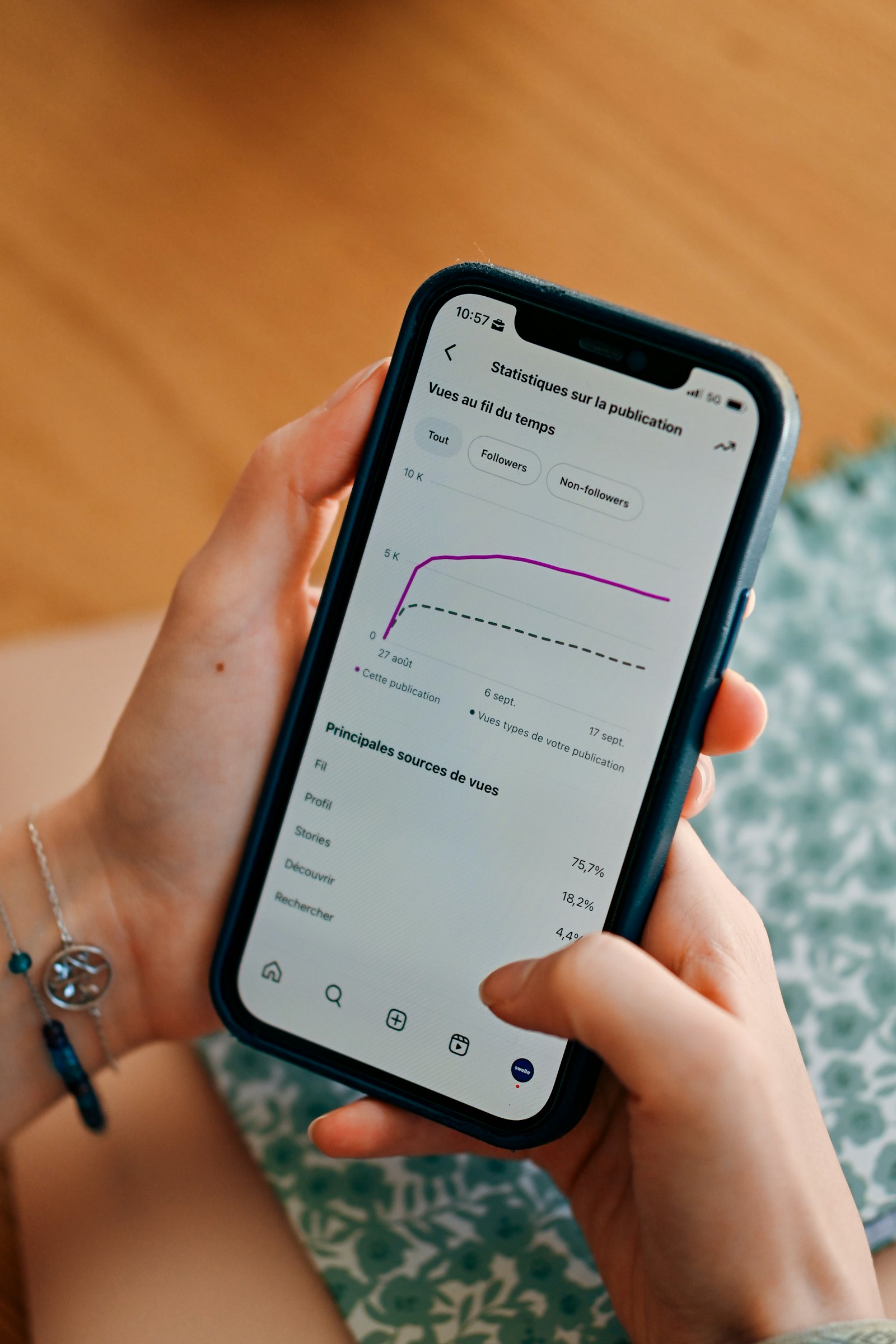
Open your analytics before you open an ad account. The people most likely to buy are the accounts that comment, the ones who saved your last three posts, the ones who DM you. Make a list, note the folks who asked about the product directly, and treat that group as your first hundred prospects.
Then rank your channels by how well they convert, because reach and sales are not the same thing. Across ecommerce traffic sources in 2026, Eightx put email at a 4.2 percent conversion rate, organic search at 2.8 percent, and paid social at 1.1 percent. An email list the size of a small classroom can outsell a following in the tens of thousands, because email is a channel people opted into. If you have never collected a single address, fix that first. A comment disappears in a day. An email is yours. If you are not launched yet, building a list is the single highest payoff move you can make, and we walk through it in how to build a waitlist.
Warm them before you launch, not on launch day
Nobody buys from a store they met thirty seconds ago. The creators who do a real number on day one spent weeks setting it up in plain sight. They filmed the process, showed the ugly first sample and the fix, and asked their audience to vote between two colorways. That builds anticipation and makes the audience feel like co founders instead of a marketing target. Tell people the exact day and time, because a specific moment creates a small deadline, and deadlines move people who would otherwise wait forever. If you want to formalize that pressure, a presale turns the warming period into actual orders before a single unit ships.
Make the first offer painfully easy to buy
Here is where a lot of first launches quietly die. The audience is warm, the excitement is real, and then the buying experience asks for too much. One product. One price. One button. Do not launch a catalog, launch a thing. A creator with a single hero product and a clean checkout beats a creator with nine options and a confused customer every time. If you are still deciding what that one thing should be, work through what product should you launch first before you build anything. Then give early buyers a reason to move now. A founding customer price, a limited first run, a small extra only the first batch gets. Scarcity you invent is a trick. Scarcity that reflects a real small production run is just honesty, and your audience can tell the difference.
Sell with content, without sounding like a pitch
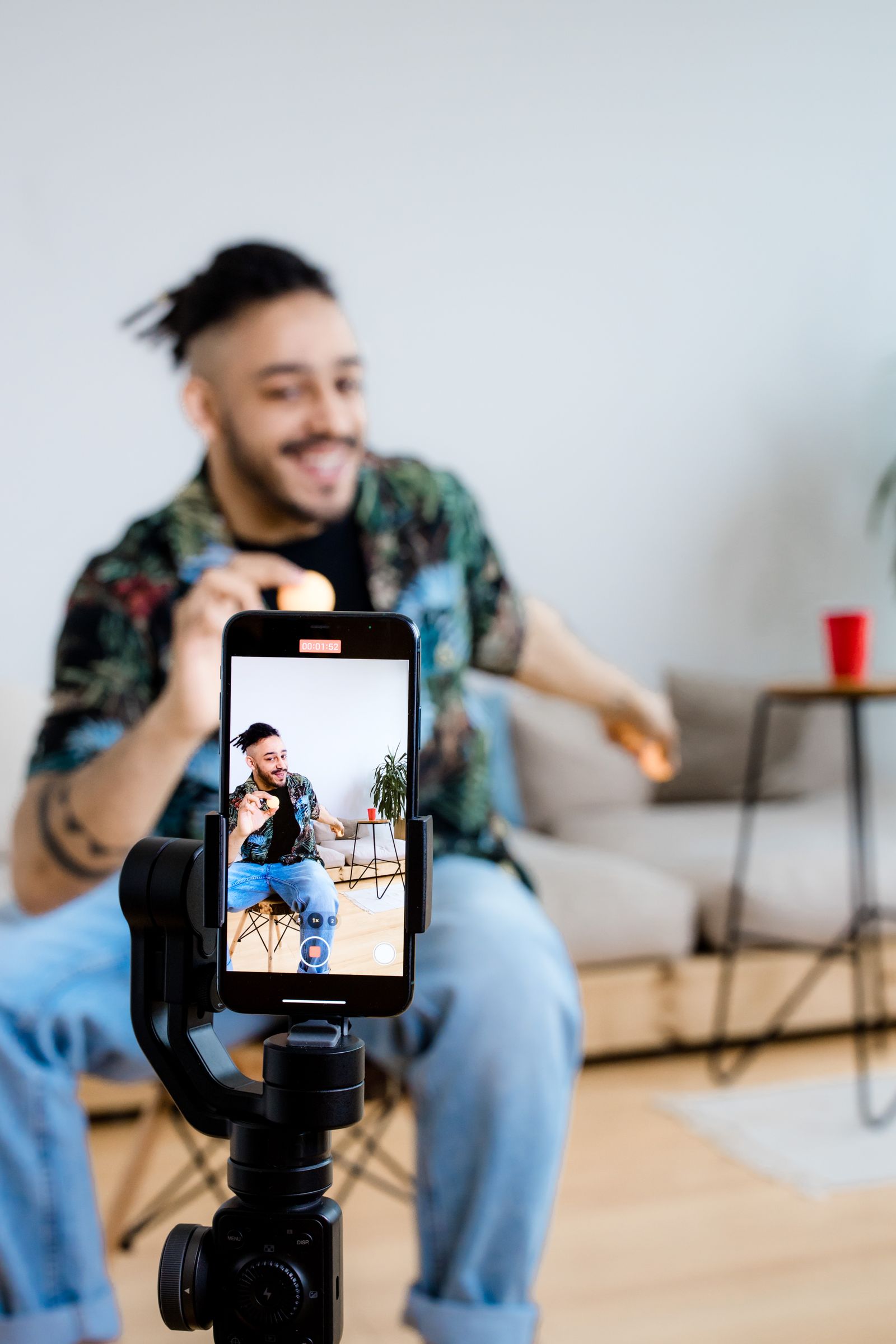
You already know how to make content. The mistake is switching into salesperson mode the second you have something to sell, because your audience followed the maker, not the ad. Keep making the thing you always made. Show the product in use in your real life and answer the questions people actually ask about sizing, shipping, and whether it holds up. Oskar Flodstrom did not run a campaign to launch erik oskr. He filmed himself bending a pill bottle side table out of acrylic under a highway overpass, the same way he filmed everything, and the store did 50,000 dollars on day one with a following of 4,000. The content was the marketing. The full story is worth reading if you think you need a huge audience to start.
Turn the first buyers into your next hundred
The first hundred customers are worth far more than their orders. They are your proof, and proof sells the second hundred to people who are not on your list yet. The moment orders land, ask for a photo of the product in their world and a quick review. A stranger doing risk math in their head is settled only by other buyers. Capital One Shopping's 2026 research found that reviews influence about 93 percent of consumers' purchasing decisions. An empty review section reads as risk. Ten honest reviews and a wall of customer photos read as safe.
Why those hundred customers are yours to keep
When you own the product, you own the customer. Their email, their order history, their trust, all of it sits with you and not with a platform taking a cut. An affiliate link pays a thin slice once and hands the buyer to somebody else. Owning the product means the hundred people who bought first can be sold to again, at margins closer to 30 to 50 percent than the 5 to 8 percent a typical affiliate deal returns. We laid out that trade in affiliate marketing versus owning your brand.
This is the case for building on No Logo instead of chasing the first hundred with someone else's product. Creators bring the idea and the audience. No Logo handles manufacturing, fulfillment, and the support that floods in after launch, on a transparent 25 percent production margin with no upfront inventory, so the brand and the customer relationship stay yours. That model is behind 41 creator brands, more than 39 million combined followers, and over 20 million dollars in products sold.
Your first buyer is probably in your comments right now. If you have an idea and an audience that would buy it, start a project with no obligation and watch it come back real.