How to Find a Contract Manufacturer to Trust
A practical guide on how to find a contract manufacturer, how to vet one, what to expect on MOQs, quality, and IP, and the lowest risk route to a real product.
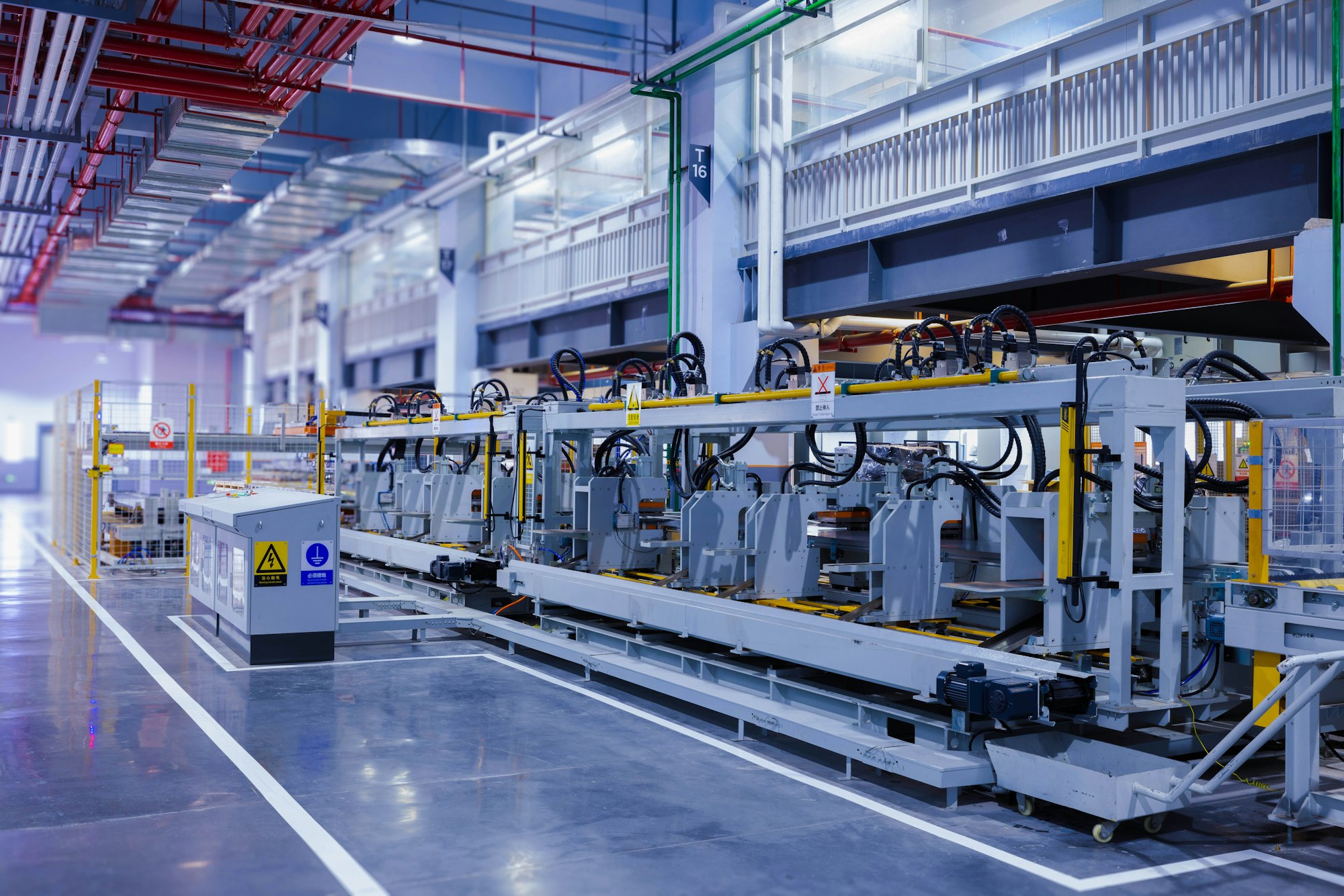
You have a product to make and you need someone to make it. So you start typing how to find a contract manufacturer into a search bar, and within an hour you have twenty tabs open, a dozen factory names that all look the same, and no clear way to tell which one will build your product well and which one will take your money and disappear. If you are in that exact spot, this is written for you. What a contract manufacturer actually is, where to find real ones, how to vet them before you wire a cent, what to expect on minimums and quality and IP, and the traps that cost founders months.
What is a contract manufacturer
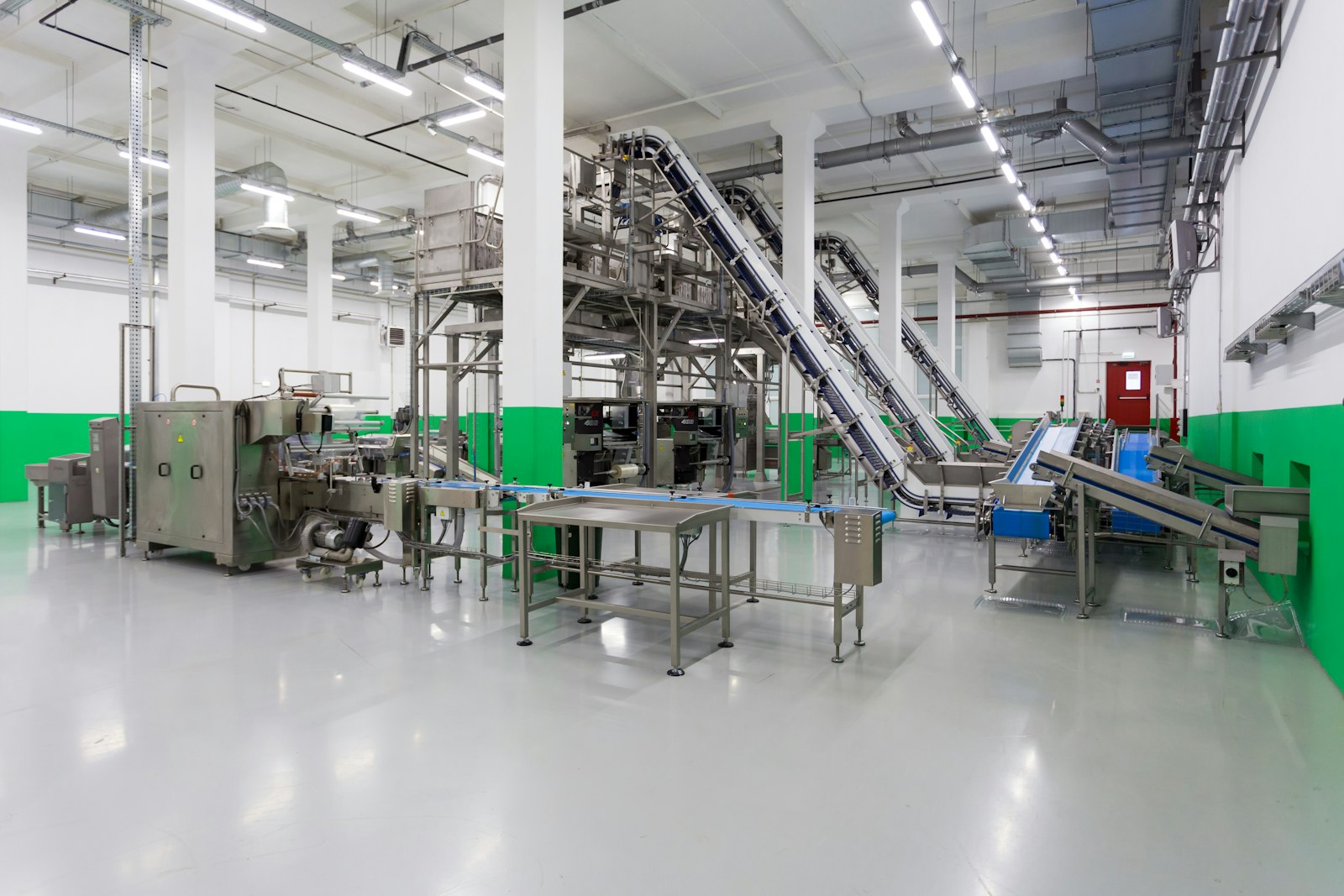
A contract manufacturer, often shortened to CM, is a third party factory that builds a product to your specification while you keep ownership of the design and the brand. You bring the drawings, the materials, the tolerances, the finish. They bring the factory, the labor, the machines, and the process, and you pay per unit shipped. As American Micro Industries and Zetwerk both describe it, this turns the capital cost of building your own plant into a variable cost you pay only when product moves, so you can scale from a prototype run to millions of units without owning a single machine.
That is the core difference from a couple of models people confuse it with. An OEM builds to your design. An ODM sells you a product it already designed, and you add your logo. A contract manufacturer sits on the OEM side of that line, making your product to your spec rather than renaming its own. If those distinctions matter for your project, we break them down in OEM vs ODM explained.
Where to actually find one
There are only a handful of real front doors. The big B2B marketplaces are where almost everyone starts. Alibaba, Made in China, and their peers list millions of suppliers with filters and escrow style payment protection. The catch is that a large share of the listings are trading companies, not factories, middlemen who mark up a real plant's work and sit between you and the people building your product. A supplier badge is a paid membership, not a quality stamp.
Industrial directories are cleaner. ThomasNet is strong for domestic and larger scale US suppliers, Maker's Row leans toward small runs and startups, and matchmaking platforms like Wonnda pre vet manufacturers by category. The pool is smaller, but the noise is lower too. Trade shows like PACK EXPO and ASD Market Week let you handle a supplier's samples in ten minutes, which tells you more than a month of emails. And the single best lead is a warm introduction from another founder who has already run production with that factory. Most people just do not have one, which is the whole problem.
How to vet a contract manufacturer before you trust it
Finding a name is easy. Trusting it with your money and your timeline is where people get hurt.
Start by confirming you are talking to an actual factory. Ask for a business license, ask which machines they run, ask which brands they already produce for and in what categories. A real factory answers specifics fast. A trader gets vague. Score every candidate on the same criteria instead of falling for whoever replies first with a friendly email.
Send a structured request for quote to your shortlist rather than a loose message. Ask the three questions that decide your unit economics. What is the MOQ for this exact product. How does the price tier as volume climbs. What setup, tooling, or testing fees are not in the headline number. Get every figure in writing. Then test communication on a real technical question and watch how they respond. Slow, evasive, or confused answers now become slow, evasive, and confused problems in production.
What to expect on MOQs
Minimum order quantity is where a lot of first orders hit a wall. You wanted to test 200 units. The factory wants 5,000. The number is not arbitrary. Setting up a production line, a mold, or a fill run costs the factory real money. MOQs swing hard by process. A liquid fill line might tie its minimum to thousands of units, a cut and sew shop to a few hundred pieces per style, and custom tooling pushes the floor up again. A high MOQ can lock thousands of dollars of cash into inventory before you have sold anything, so treat the minimum as a core term to negotiate, not a fixed rule.
Quality and IP, the two things that keep founders up at night
Quality control from thousands of miles away is a leap of faith unless you build in checkpoints. Insist on a prototype or trial run before full production, the way Zetwerk and ProjectManager both describe the standard process, and inspect it against your spec before you green light the rest. Agree on what a defect is and who eats the cost of a bad batch, in writing, before the line starts.
IP is the other exposure, and it is bigger than most first timers realize. Because a contract manufacturer builds to your design, your protection depends entirely on the contract. OEM style contract manufacturing gives you the strongest IP position of any model, but only if a real NDA and a clear IP ownership clause are signed before you share a single drawing. For work in China or Vietnam, an NNN agreement, covering non disclosure, non use, and non circumvention, is the tool built for that jurisdiction, since it also stops a factory from copying your product or selling around you. The rule is simple. Nothing technical goes out before the agreement is signed. A clean, complete spec is what makes all of this enforceable, and what a tech pack is walks through building one.
Why a full vetted partner is the lowest risk route
You can do all of this yourself. The question is whether the months it takes to find and vet a factory are months you can afford to lose.
One brand came to us after spending a full year trying to find the right factory for a pants project. Because we have people on the ground in China and an established, vetted network, we sourced and produced that same founder's next product, a hoodie, in about two weeks. The difference was never the product. It was access.
That is what No Logo actually is. Not a directory and not a middleman taking a hidden cut, but a partner that handles the whole build, from sourcing to samples to production to fulfillment, on a flat 25 percent production margin with no upfront inventory. You keep your brand and set your pricing. When Oskar Flodstrom sent us the sample for the pill bottle side table that became his brand erik oskr, he put in no capital and carried no minimum, and the finished sample came back ready to sell. If you want to compare routes first, how to find a supplier for your product lays out the alternatives honestly.
The factory was never the hard part. Finding one you can trust, fast, is the whole game. Skip the part that hurts and start a project.