OEM vs ODM Explained
A plain guide to oem vs odm manufacturing, what each term means, who owns the design and IP, and which model fits a brand that wants its own product.
You are three emails deep with a factory and the quote says "OEM and ODM welcome." Now you have two more acronyms and no idea which one you want. The oem vs odm question sounds like factory jargon, but it decides whether the product you sell is a design you own or a design the factory owns and rents to whoever asks. Get it wrong and you can spend a year building a brand on a product any competitor can order next week.
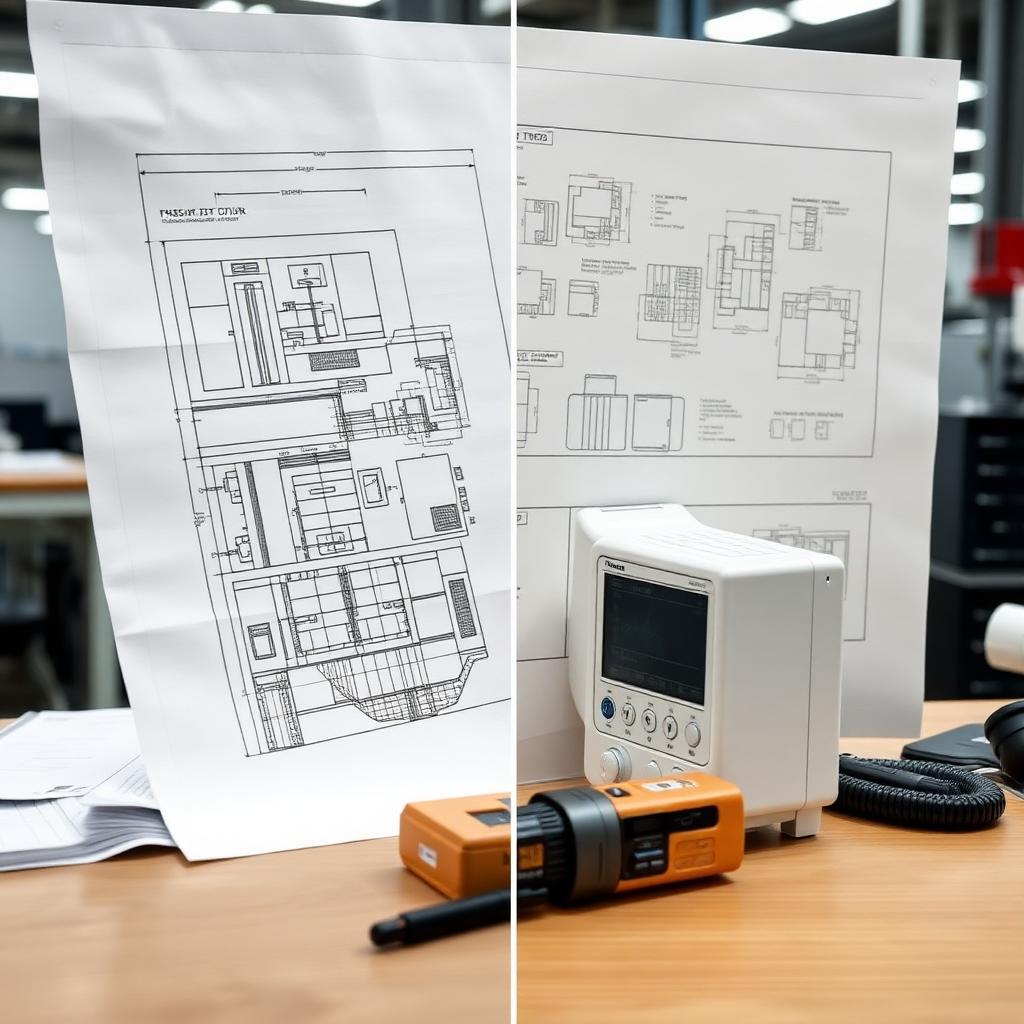
A production line running someone's design. The question is whose design it is.
What is OEM
OEM stands for Original Equipment Manufacturer. An OEM arrangement means the factory builds a product to your design and your specifications. You bring the drawings, the materials, the measurements, the tech pack. They bring the machines and the people. The design is yours.
The classic example is Apple. Apple designs the iPhone down to the millimeter and owns every bit of that design, then contracts a manufacturer like Foxconn to build the units. Foxconn runs the line. Apple owns the product. The brand controls the intellectual property and the identity, and the factory is contractually barred from selling your design to anyone else. When a supplier says they offer OEM service, they mean they will manufacture whatever you design. You are the brand. They are the builder.
What is ODM
ODM stands for Original Design Manufacturer. Here the factory has already designed a product. It exists on their shelf, in their catalog, ready to go. You buy that existing design and put your brand on it, usually with small tweaks. A different color. Your logo. Custom packaging. The base product was designed by the factory, not by you.
Global Sources points to Flex, formerly Flextronics, as a textbook ODM. Flex designs and manufactures electronics that dozens of other companies sell under their own names. The same base unit ships to multiple brands. You pick from what the factory already makes and rebrand it, which is why it is fast and cheap. The catch sits right there. Because the factory owns the base design, they can sell it to anyone. Your ODM product might show up under three other brand names at three other price points. You bought a paint job, not a product.
The oem odm difference for a brand, in one line
Strip away the acronyms and it comes down to a single question. Who designed the thing. With OEM, you did, so you own it and only you can sell it. With ODM, the factory did, so they own it and can sell it again. OEM costs more up front and takes longer, because you are developing something from nothing, with R&D, tooling, and samples. ODM is cheaper and faster, because the work is already done and you are just relabeling it.
There is a third acronym you will bump into, OBM, Original Brand Manufacturer, a company that designs, makes, and sells fully under its own name. Tesla and Samsung get cited as OBM examples. For most creators, OBM is what your brand becomes once you own the design and the customer relationship. The manufacturing model that gets you there is OEM.
How OEM connects to owning your brand
A brand is only worth something if it owns something. If the product under your logo is an ODM catalog item, you own a logo and a customer list, and the moment your supplier sells the same unit to a bigger competitor, your brand has no floor. That is not a niche concern. The Private Label Manufacturers Association reported that US store brand sales hit a record 282.8 billion dollars in 2025, growing nearly three times as fast as national brands. Owned brands are taking share, but owned means owned. The brands winning it sell products made to their spec, not catalog items with a sticker.
Which model fits which goal
ODM makes sense when you want to test a category fast, fill out a catalog, or launch something where differentiation does not matter to the buyer. Do not build your flagship on it. The OEM route makes sense when the product is the point, when your audience followed you for something specific, when you want a thing no competitor can copy off a shelf because there is no shelf version to copy. This is the same tradeoff we lay out in private label vs white label vs custom manufacturing. And because OEM means you own the design, protecting it becomes a real job, covered in how to protect your design when manufacturing overseas.
The honest catch with OEM is that it is better and harder to start. Developing your own product means finding a factory that can build your design, vetting them from thousands of miles away, and surviving the sample rounds. One brand spent a full year hunting for a factory that could produce a pants project before giving up on doing it solo. How to find a contract manufacturer walks through the search.
Why No Logo builds it as your own
No Logo exists to remove that year. This is an OEM style build from the ground up, not a catalog you rebrand. You bring the idea. The team guides materials, sizing, and production, sends you a real sample before anything scales, then manufactures and ships through a vetted factory network with people on the ground in China. It is a flat 25 percent production margin, stated up front, with no upfront inventory to commit to, and you keep the brand and set the pricing. That same founder who lost a year on the pants project got his next product, a hoodie, produced in about two weeks once he had the network behind him.
It is what Oskar Flodstrom did. He posted a video of a three foot pill bottle side table he built from a sheet of roadside acrylic, it went viral, and No Logo manufactured that exact design as a real product under his brand erik oskr. Not an ODM side table with his logo on it. His side table. The store did 50,000 dollars on day one. The full story is in Oskar's story.
The ODM version is sitting in a catalog right now with room for your logo. The one worth building is not in any catalog yet. When you are ready, start a project with no obligation and see what an OEM style build made for you looks like.