How to Find a Supplier for Your Product
How to find a supplier for your product, where to look, how to tell a real factory from a middleman, what samples and minimums cost, and the red flags.
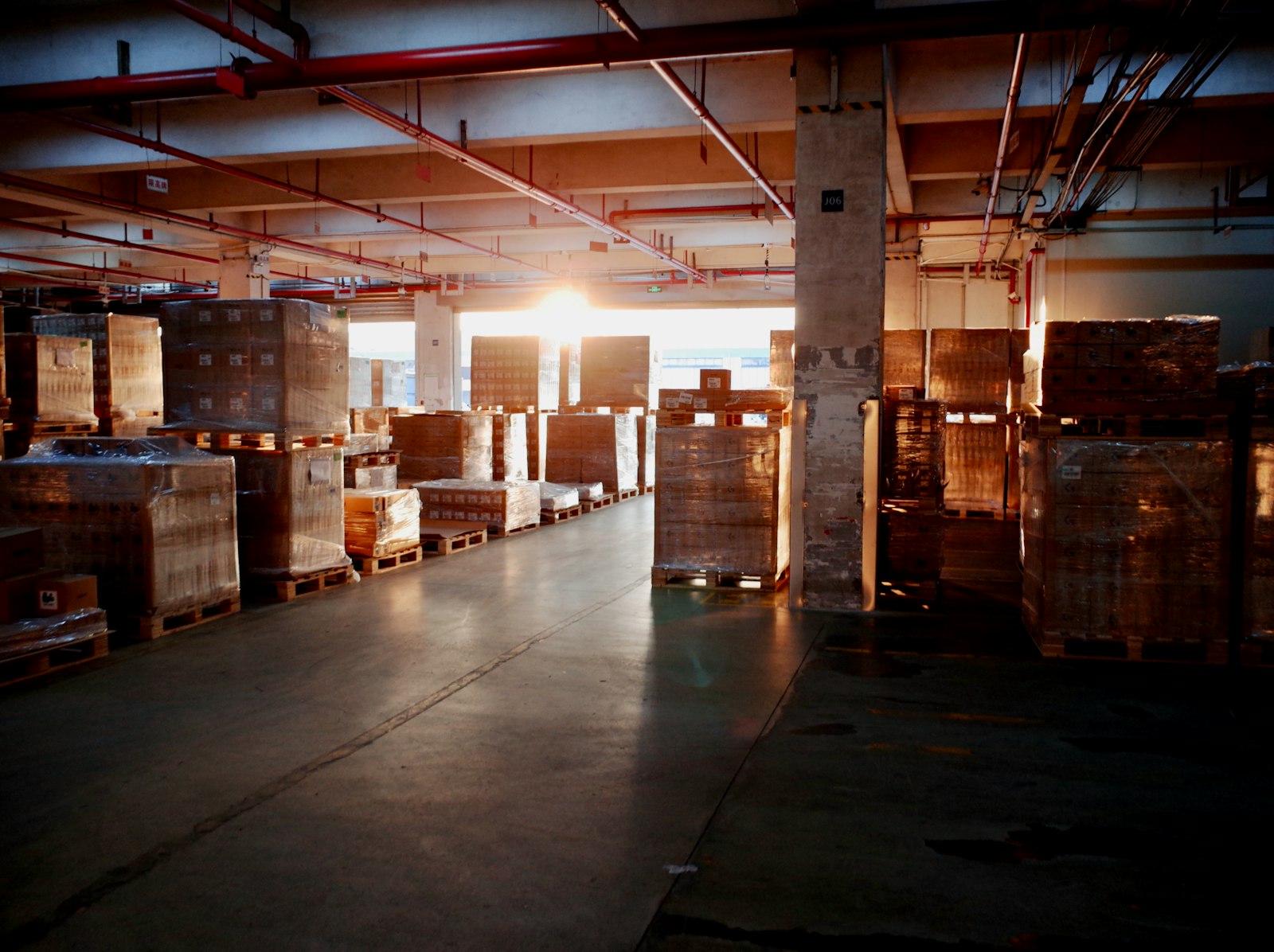
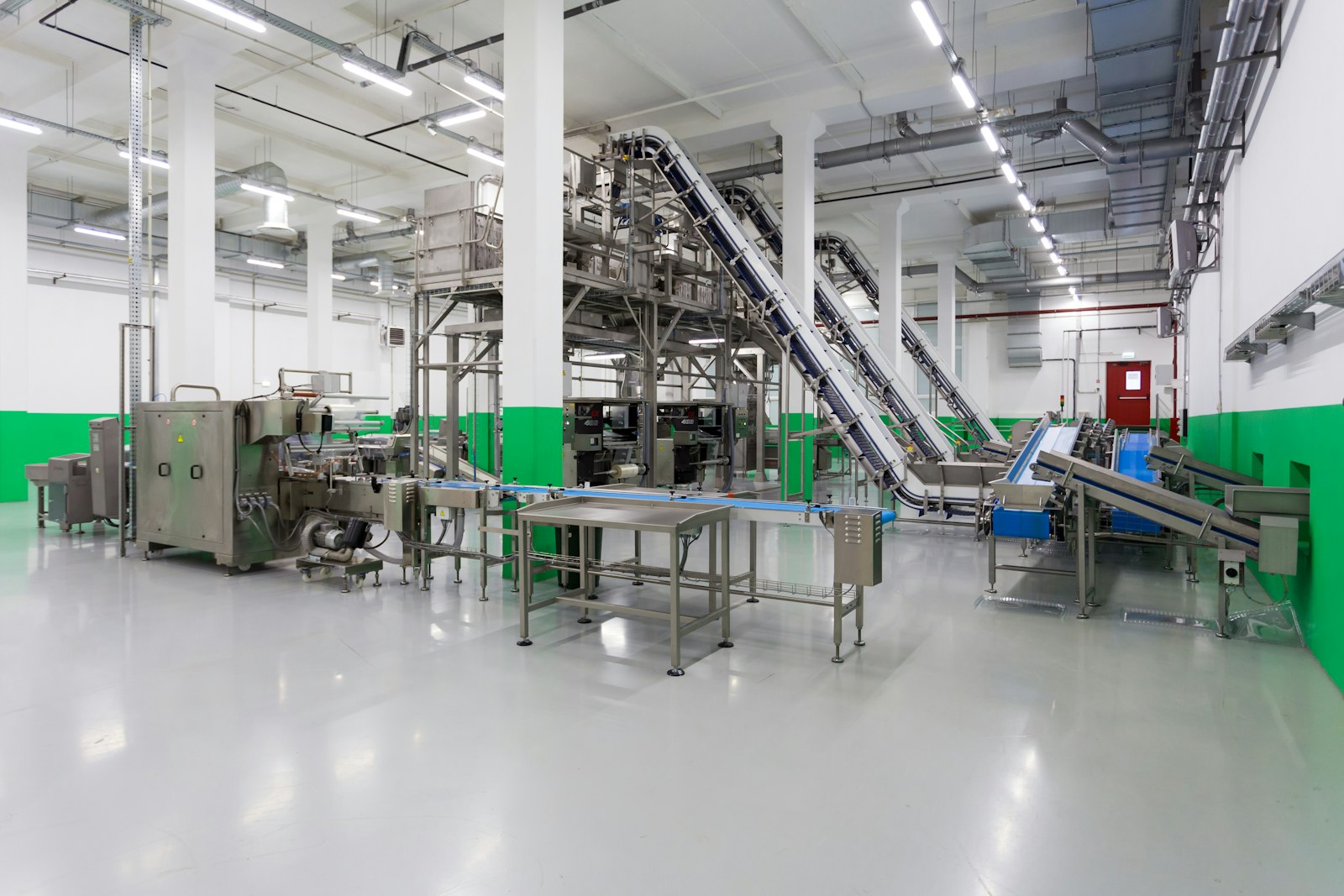
You have a product in mind, or maybe one already selling, and now you need someone to make it. This guide is about how to find a supplier for your product without burning three months on dead ends. Where to look, how to tell a real factory from a middleman, what samples and minimums actually cost, and the warning signs that a supplier is going to waste your money.
A quick note on words. A supplier can mean a factory that makes your product from scratch, a wholesaler who sells you finished goods to resell, or a trading company that sits between you and the real maker. Most people reading this want the first kind, a maker who can produce their own product, so that is where the weight of this guide sits.
Where to actually find a supplier
There are only a handful of front doors, and each fits a different situation.
Global B2B marketplaces. Alibaba is the biggest, with millions of suppliers mostly across China and Southeast Asia. Made in China and Global Sources sit in the same lane. Most people start here because the reach is enormous and Alibaba's Trade Assurance holds your payment until an order arrives. The catch, which Shopify and most honest sourcing guides repeat, is that a large share of listings are trading companies rather than factories. You can message suppliers for a month and never be sure who is on the other end.
Directories built for sourcing. ThomasNet is a free discovery platform listing more than 500,000 North American manufacturers and distributors, strong for domestic and industrial work with real engineering specs. Maker's Row leans toward US small runs and startups. These pools are cleaner than the open marketplaces, but smaller, and the good suppliers stay busy.
Trade shows. Standing in front of a supplier and handling their samples beats any listing. The Canton Fair in Guangzhou is the giant, and Global Sources runs buyer shows across Asia through the year. The cost is obvious. Flights, hotels, days away, and a great booth chat that still becomes months of back and forth once you are home.
Referrals. A warm introduction from another founder who already produces with a supplier is the single best lead there is. Almost nobody has one when they need it, and that gap is exactly why sourcing feels so hard from a cold start.
If your product is apparel, how to find a clothing manufacturer goes deeper on that category. If you are still deciding what to sell, how to source products to sell works one step earlier.
How to vet a supplier before you trust them
Finding a name is easy. Trusting it with a deposit is where people get hurt.
First, confirm you are talking to an actual maker and not a reseller. A supplier who claims to produce garments, electronics, and furniture out of one factory is almost certainly a trading company relisting other people's work. Ask who owns the equipment and who signs off on samples. A real factory answers those specifics fast and will show you the production floor on a video call. A middleman gets vague.
Second, do not trust badges. As Alibaba's own seller blog and independent inspectors both note, a Gold Supplier or Verified Supplier badge only confirms a company paid for premium membership and submitted basic documents. It says nothing about quality or capacity.
Third, when the order gets big enough to matter, pay for a third party inspection. An independent pre shipment check against your approved sample is the one reliable way to catch a problem before your money and your goods leave the country. The questions that separate a real partner from a gamble are laid out in what to look for in a manufacturing partner.
Samples and minimums, quickly
A sample is the only honest test of whether a supplier can build what is in your head. Order one before you commit, and expect more than one round. Costs vary wildly, from a few dollars for a simple item to hundreds for something with real tooling behind it. Many suppliers credit the sample fee against a bulk order, so ask up front. If a supplier pushes you to skip the sample, walk. For the full process, how to get a product sample made covers it without the expensive surprises.
Then there is minimum order quantity, the smallest run a supplier will accept. Suppliers set an MOQ to cover machine setup, materials, and labor, so the number is real, not arbitrary. It is also negotiable. Offer a slightly higher per unit price so a small run still makes the supplier money, or ask for staggered deliveries against a larger commitment. A high minimum can lock thousands of dollars into inventory before you sell a single unit, and minimum order quantities explained covers keeping that first order sane.
Red flags that should stop you cold
Sourcing at a distance attracts bad actors, and the patterns repeat.
A quote dramatically below everyone else is not a deal, it is a warning of poor materials or a supplier who never intends to ship. Any request to pay by wire to a personal account, or to an account name that does not match the registered company, is a hard no. A mid deal message saying the bank account just changed is a classic hijacked email fraud, so confirm it by a second channel before you send anything. Reused stock photos, a refusal to do a video call showing the floor, and an address that traces to a home all point the same way. As of 2026, AI generated factory photos have made fake supplier pages more convincing than ever, so a polished website proves nothing on its own.
Checking any of this from thousands of miles away, in another language and time zone, is close to impossible for one person alone. You are trusting people you cannot see, on promises you cannot verify.
Why a vetted partner beats searching alone
Everything above is real and you can do all of it yourself. The honest question is whether the months it takes are months you can spare.
One brand came to us after a full year trying to find the right factory for a pants project. A year of samples, dead ends, and suppliers who could not deliver. Because we have people on the ground in China and an established factory network, we sourced and produced that founder's next product, a hoodie, in about two weeks. One year alone. Two weeks with a network. The difference was never the product. It was access.
That is what No Logo actually sells. Not just manufacturing, but the years of vetted factory access a founder cannot build from a cold start. We work on a flat 25 percent production margin, ask for no upfront inventory, and you keep full control of your brand and your pricing. Finding a supplier you can actually trust, fast, is the whole game, and it is the exact part you do not have to play alone. If you are somewhere in that search right now, start a project with No Logo.