How to Manufacture Candles at Real Volume
How to manufacture candles at real volume, from wax and vessels to private label versus custom, plus the true costs, margins, and quality control at scale.
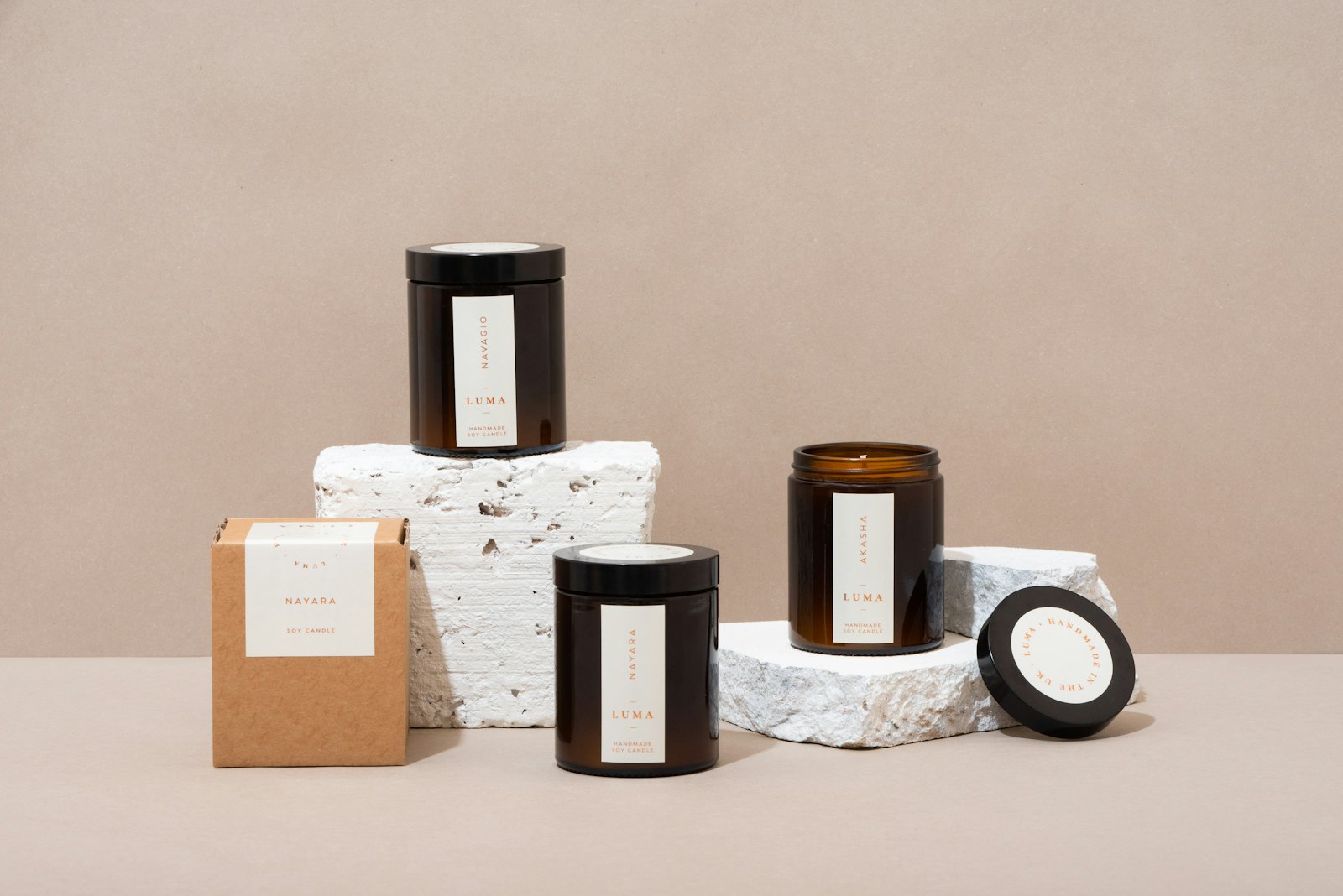
A candle looks like the easy one. Wax, a wick, a jar, a scent you like. You melt, you pour, you sell. Plenty of brands start there and it works for a while. Then a video hits, orders jump, and the kitchen setup that felt clever at fifty candles a month becomes the thing keeping you up at night. Learning how to manufacture candles at volume is a different skill than making a nice one at home, and the gap is wider than most first time founders expect.
Hand pouring and manufacturing are not the same job
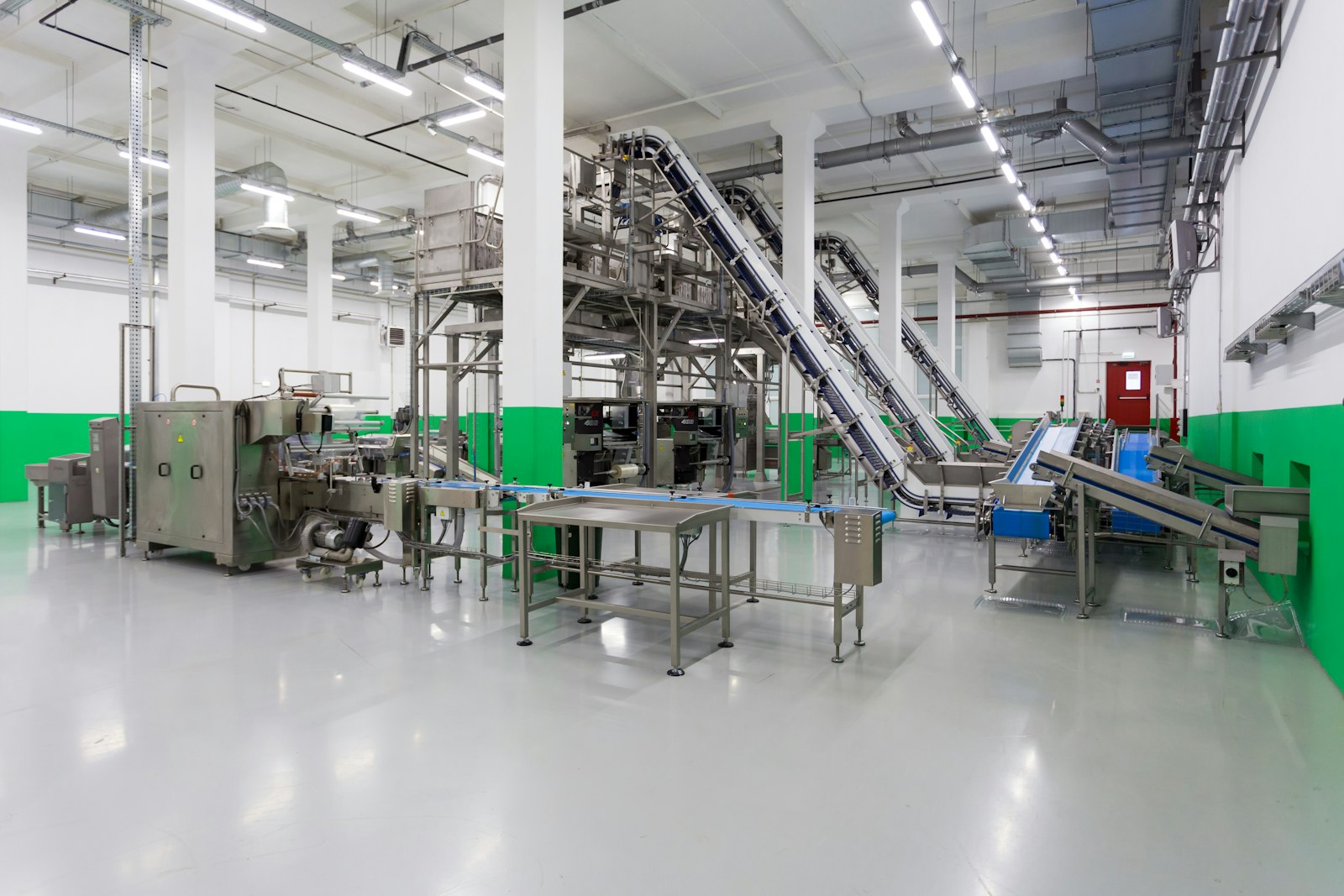
Hand pouring is a craft. You control every candle and fix problems one jar at a time. Manufacturing is a system, and the goal shifts from making a good candle to making the same good candle ten thousand times without drift. A production line runs in fixed stages. Wax gets melted in bulk, wicks get inserted and centered, containers get filled to a set weight, then everything cools on a schedule, with machine vision and weight checks catching the jars that came out wrong. None of that matters at fifty units. All of it matters at fifty thousand, because a small swing in pour temperature or a wick that sits off center turns into a pallet of returns. If you are still deciding whether candles are the right first move, what product should you launch first is the better place to start.
The materials that decide everything
Three choices drive the whole candle. The wax, the vessel, and the fragrance system. There is no perfect wax, only the right one for your price and positioning. Craftybase lists soy and paraffin around 1 to 2 dollars per pound, coconut wax at 3 to 5 dollars, and beeswax at 5 to 8 dollars, so your wax choice is a margin choice before you have picked a scent. Soy burns clean and reads as natural, paraffin is cheap and throws fragrance hard, coconut wax photographs as premium, and a lot of brands land on a blend. Waxes also behave differently under heat, and a manufacturer already knows those numbers cold, which is the point of using one.
The vessel is half the product, and it has to survive a flame, so it needs heat safe glass, ceramic, or tin. Vessel and packaging costs stack up fast, and some private label projects see packaging eat up to half the total cost. Wicks are quiet but they make or break a burn, and wick size is matched to the container diameter, the wax, and how much fragrance you loaded. Get it wrong and you get tunneling or a flame that is too tall. Fragrance load is the last lever. Most waxes carry a load in the range of 6 to 10 percent, and pushing past what the wax can hold makes a candle that sweats oil and burns poorly.
Private label versus fully custom
Private label means you take a manufacturer's existing candle, their wax, vessel shapes, and fragrance library, and put your brand on it. It is fast and cheap to start, with standard minimum order quantities often beginning around 500 units per stock keeping unit and some suppliers going as low as 50 for simpler products. Custom is the other end. Your own vessel mold, a bespoke fragrance, packaging built for your brand. It costs more, the minimums climb, and the timeline stretches, but the product is genuinely yours. Most brands start closer to private label and move toward custom as volume justifies it. The mistake is paying custom prices before the product has proven it sells, or shipping a generic private label candle while telling your audience it was designed from the ground up.
What it actually costs
Candle economics look great on a spreadsheet and get tighter once packaging and shipping show up. Unit cost drops hard with volume. Unique Custom Candles has described small runs of around 50 units with custom labels landing near 15 to 20 dollars per finished candle, falling toward roughly 12 dollars once you order a few hundred, and under 10 dollars per unit at four figure quantities. The wax barely moves. The vessel, the label, the box, and the labor bend with scale. On the sell side, a 9 ounce soy candle commonly retails in the 20 to 35 dollar range, with branded and luxury versions pushing to 50, and private label programs frequently run product margins in the 40 to 80 percent band. That spread is why candles are such a popular first product, and also why so many look identical. To run these numbers for your own line, how to price a product you manufacture walks through margin, and minimum order quantities explained covers the upfront commitment side.
Quality control is the whole game at scale
At home you notice a bad candle because you are holding it. At volume you only find out when a customer emails you a photo of a cracked jar or a candle that tunneled down one side and drowned the wick. Real manufacturing bakes in checks a kitchen cannot. Fill weights get verified, wick centering gets inspected, and batches get burn tested before they ship so tunneling, soot, and poor scent throw get caught before they reach a doorstep. Cure time matters too, since many candles need one to two weeks resting before they burn right, which is hard to honor when you are pouring to fill orders that are already late. Finding a factory that can hold that consistency is its own project, and how to find a factory overseas is worth reading first.
When to stop pouring and hand it off
Hand pouring eventually stops being charming and becomes the ceiling on your business, usually when demand spikes past what you can pour or a quality complaint scares you. That is where a lot of good candle ideas die in a year of chasing factories and paying for samples that never sell. It does not have to go that way. One founder spent a full year hunting for the right factory for a different product, burning through samples and dead ends. He came to No Logo, and because we have people on the ground in China and an established, vetted factory network, we sourced and produced his next product in about two weeks. That is the real thing being sold, the years of factory access and vetting a founder cannot build from a kitchen, at a flat 25 percent production margin with no upfront inventory. You keep control of your brand and set your own pricing.
If you have a candle you believe in and you are ready to make it real, get in touch with the team with no obligation. The candle was always the easy part. Making the same great candle every single time, at a price that leaves you a real margin, is the business.