How to Run a Product Drop That Sells Out
Learn how to run a product drop that sells out by building anticipation, setting an honest quantity and price, using real scarcity, and planning the day after.
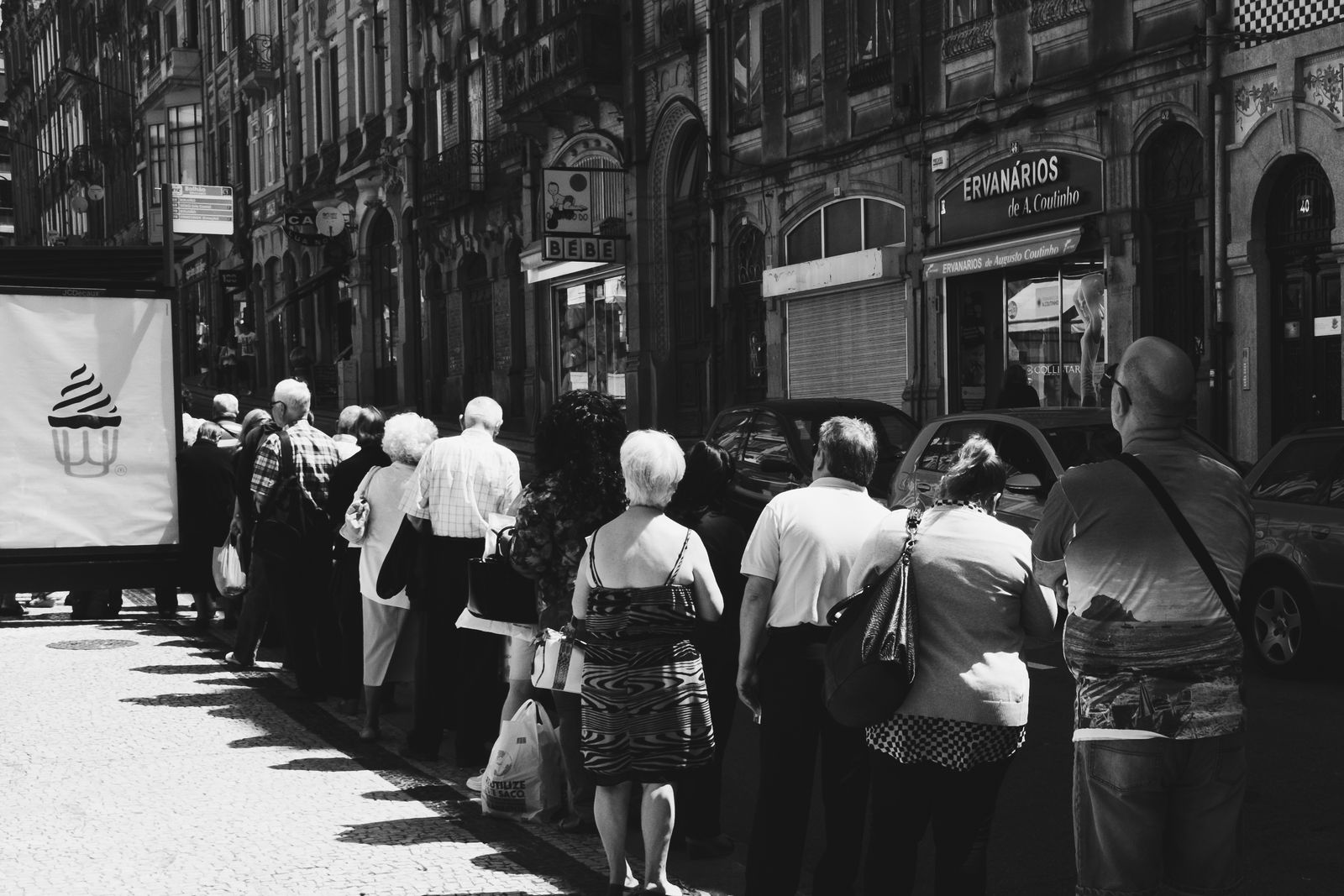
Supreme releases a small batch of product every Thursday at 11am. The good pieces are gone in seconds, and the people who missed out go straight to a resale market to pay double. That is the drop model in its purest form. A fixed quantity, a fixed moment, and a line of people who all show up at once. You do not need a decade of hype to run a product drop. You need a clear plan for what you are selling, how many exist, when they go live, and what happens after the last one is gone. The drop works because it takes demand that would normally trickle in over weeks and squeezes it into a single window, and a flood is what makes something feel like an event instead of a product page.
What actually makes a drop work
Three things have to be true or the whole model falls apart. The quantity is limited and everyone knows it, a real number, not "limited" as a marketing word. If there are 200 units, say 200 units. There is a set moment, a time on a clock, so your whole audience is refreshing the same page at once. And the thing is worth wanting on its own, because scarcity is an amplifier, not a substitute. A boring product in a limited run is just a boring product you can only buy on Tuesdays.
People participate in these more than you would guess. In a 2021 survey of 2,298 US shoppers by PYMNTS and Scalefast, 43 percent said they had taken part in a limited-time product drop, flash sale, or private sale in the previous month. Your audience already knows how this works.
Building anticipation before the drop
A drop that nobody knew was coming is just a normal Tuesday with fewer units. The anticipation is the campaign. Start talking about the product before it exists in a store. Show the sketch, the sample when it lands, the ugly first version and the fix. People who watch a thing get made feel like they helped make it, and those are the people who set an alarm for launch. This is where a waitlist earns its keep, because a list of people who raised their hand is a list you can point at an exact drop time. If you have not built one yet, start a waitlist first and drop into that demand instead of hoping strangers show up.
Give the date early and repeat it more than feels comfortable. Post it, post it again, post a reminder the hour before. Tell people the number too. Saying "we made 150 of these" a week out sets the expectation that this will go fast and makes the sellout feel earned rather than staged.
Setting quantity and price
This is where most first drops go wrong. Make too many and you sell through slowly, the scarcity story collapses, and you are sitting on stock. Make too few and you leave money on the table and annoy the people who missed out. For a first drop, aim to sell out but not instantly. A run you can clear in a day or two proves demand, creates the sold-out signal, and leaves a clear appetite for the next one. Selling out in nine seconds looks great on a screenshot and usually means you underpriced or under-produced.
Base the number on real signal, not hope. Waitlist size, how a teaser post performed, how many people asked "where do I buy this" in the comments. A rough rule many creators use is to make a fraction of your engaged audience, not your follower count. On price, resist the urge to go cheap to guarantee a sellout. A drop is a premium moment, and pricing it like a clearance rack undercuts the whole thing. Price it for the margin you actually need, then let scarcity justify it. If you are unsure where to land, work backward from your real production cost the way we walk through in how to price a product you manufacture.
Real scarcity versus fake urgency
Real scarcity is a true fact about your product. Fake urgency is a trick bolted onto the page. A real limited edition drop of 200 units is honest. A countdown timer that resets every time someone reloads the page is a lie, and your buyers are better at spotting it than you think. They refresh to see if the clock resets, they come back the next day to see if the "last chance" banner is still there, and when it is, they stop trusting anything you say. That distrust leaks into how people read your whole brand. Fake urgency can spike a single sale and cost you the repeat customer, while genuine urgency tends to hold up over time. A CXL case study found urgency lifted conversions by about 27 percent, and you get that by telling the truth, not by faking a clock.
Selling out cleanly on drop day
Make buying fast. One product, one clear button, as few clicks as you can manage. Every extra step on a timed drop is a sale that hesitates and disappears. Be present while it happens. Post as it sells. "Half gone." "Down to the last 20." This is real scarcity narrated in real time, and it pulls in the people who were on the fence. When it sells out, say so loudly. The "sold out" post is the best marketing asset the campaign produced. Thank the people who bought, and let the people who missed feel the miss, because that feeling is what fills your next waitlist.
What to do the day after
The day after a sellout is when demand is highest and most brands waste it. Decide out loud what happens next. Restock the same product, or move on to the next drop. If you restock, be clear about it so nobody who paid a premium feels cheated. If you are moving on, say the piece is done and point people toward what is coming. Then collect the demand you could not fill, because every person who clicked through to a sold-out page is a lead. If this drop caught a wave, read turning a viral moment into sales and move before the attention cools.
This is how creator brands compound. Oskar Flodstrom launched his brand erik oskr with a single product, the pill bottle side table, and did 50,000 dollars on day one and 150,000 dollars within two weeks, then reinvested straight into his next run of samples. Each drop funds the next one, and none of it required him to gamble on inventory up front.
Why a partner makes the limited run possible
The drop model has one structural weakness for a solo creator. It runs on producing real product in real quantities, on a schedule, without holding a garage full of stock. Doing that alone means minimum order quantities, factory hunts, sampling costs, and quality control from thousands of miles away. That is a lot of risk to carry for a run you only hope sells out.
No Logo takes that risk off the table. You bring the idea and the audience. We handle manufacturing through a vetted factory network, with an on-the-ground presence in China, plus fulfillment and customer support. There is no upfront inventory commitment, the production margin is a flat 25 percent, and you keep full control of your brand and your pricing. You make what the drop needs, when it needs it. Start a project with No Logo and bring the moment. We will make sure there is something worth showing up for.