How to Start a Clothing Brand Without Inventory
Learn how to start a clothing brand without fronting stock, covering angle, design, sourcing, sampling, pricing, and launching to an audience that actually buys.
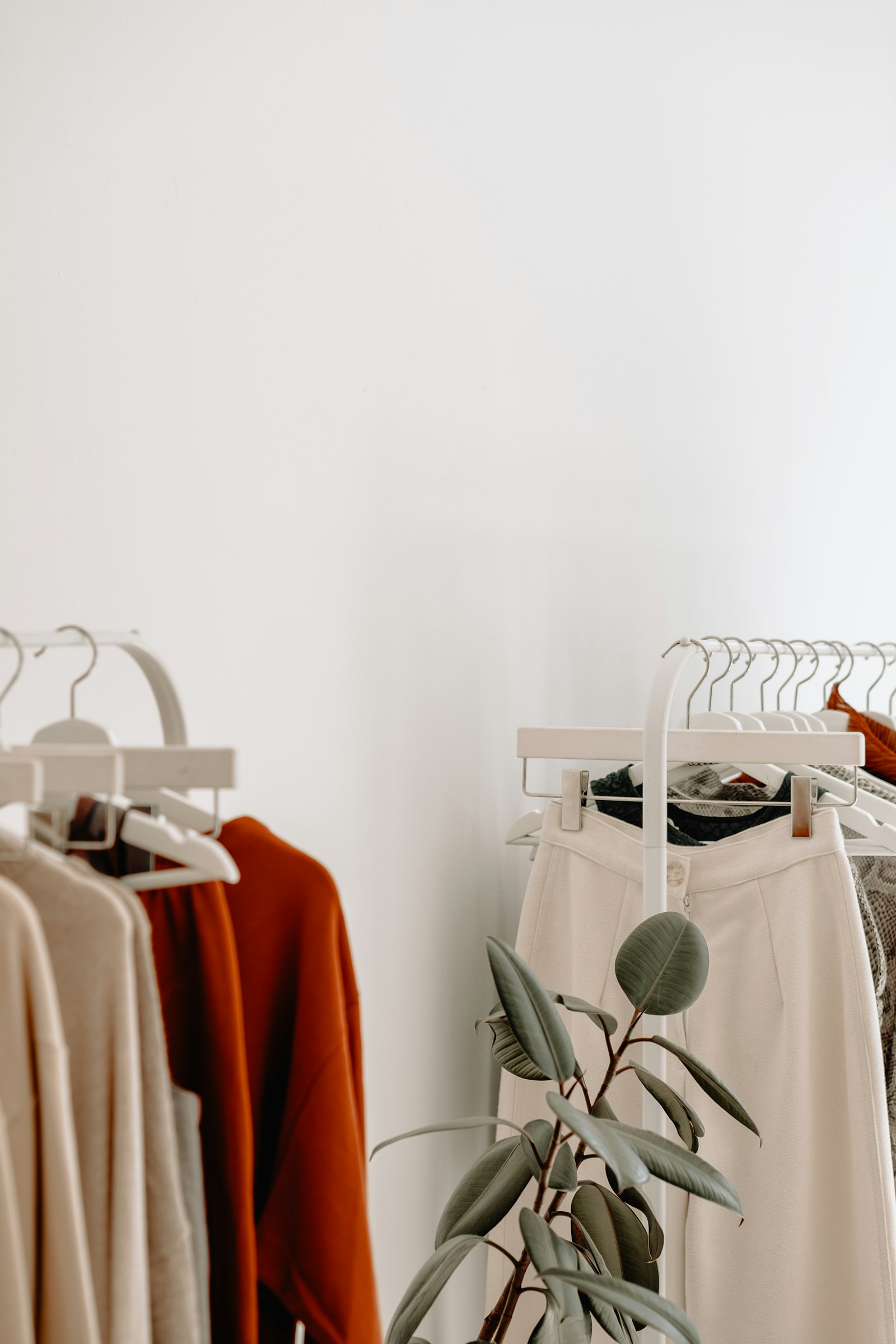
The photo everyone posts of their new clothing line is a rack of finished garments under studio lights. What that photo hides is the invoice. Somebody paid for every one of those pieces before a single customer showed up. That upfront bet is the most common way a first apparel brand dies, and it is the part almost nobody warns you about. So if you want to know how to start a clothing brand that survives its first year, start by questioning whether you need to own that rack at all.
A finished rack is the easy part. Paying for it before anyone buys is where most first brands break.
Why inventory is the risk that actually kills brands
Money goes out months before it comes back in. You approve a design, order a production run, pay for it, and only then find out if anyone wants it. Printful, in its 2026 startup cost breakdown, puts the cost of launching a manufactured line between 10,000 and 50,000 dollars, with production and inventory eating 40 to 60 percent of that budget. Most of that number is guessing which sizes and colorways sell and how many units to cut. Guess wrong on the high side and you have dead stock, and Business of Fashion has covered that excess inventory problem for years. Product that does not move turns into markdowns, and markdowns turn into cash you will never get back. Returns make it worse, since clothing carries return rates in the range of 15 to 30 percent. The traditional path front loads the risk onto you on day one. Take that bet off the table and starting a clothing brand stops looking like a gamble.
Find your angle and your audience first
Before fabric, before a logo, figure out who is already listening. The brands that work lead with a point of view and a group of people who share it, not the product. Look at Oskar Flodstrom, the maker behind the brand erik oskr. He builds furniture, not apparel, but the lesson transfers. He posted a video of a pill bottle shaped side table he made from a sheet of bent acrylic he found on the side of the road. It hit 500,000 views while he had 4,000 followers. The product was distinct and the audience was real, and that combination is what mattered, not the size of the following. You can read the full breakdown in Oskar's story. Your angle does not need to be a wild invention, just specific, and if you already have even a small audience, do not waste it on a product that could belong to anyone.
Design the product without being a designer
You do not need to know how to sew or run pattern software. You need to communicate a clear idea well enough that someone who does can build it. Start with references. Pull the exact garments whose fit, weight, and construction you want to borrow from, and note the fabric weight, the cut, the seams, the trims. This collection of decisions becomes a tech pack, the document a factory actually works from, and getting it right early saves you from endless revision rounds. We go deeper in how to manufacture clothing. Resist the urge to launch eight styles. A tight first drop is cheaper to sample and far easier to sell than a sprawling collection nobody understands.
Source and sample without losing a year
This stage quietly wrecks people. Finding a factory that will take a small brand seriously, communicate across time zones, and deliver a sample that matches your spec is genuinely hard for an outsider. One founder we worked with spent a full year trying to find the right factory for a pants project. Because No Logo has people on the ground in China and an established factory network, we sourced and produced that same founder's next product, a hoodie, in about two weeks, access you cannot build from your laptop in a few months. Sampling is straightforward with a real partner. Expect to pay 30 to 400 dollars per sample, and expect the first one to need changes. Then there is MOQ. Typical minimums run from 100 to 1,000 pieces per style, exactly the wall that forces new brands into a big inventory bet before they have a single sale. For the full picture on choosing a factory, read how to find a clothing manufacturer.
Price it so the margin is real
Price backward from cost, not from what feels nice. Add up your landed production cost per unit, including the garment, any print or embroidery, and the platform margin of whoever makes it. That is your floor. Most healthy apparel brands sell at two to three times that landed cost, sometimes more. The gap covers returns, shipping, payment fees of 3 to 5 percent of revenue, marketing, and the units that do not sell at full price. We break the math down in how to price a product you manufacture. Margin connects straight back to inventory. If you pre bought 500 units, every markdown is a direct loss, but if you only make what sells, your pricing math stays clean.
Launch to the people who already care
Launch day works when demand exists before the product does. Build it in the open. Show the sketches, the samples, the ugly first version and the fixed one. Oskar launched to an audience that had watched him build, and the store did 50,000 dollars on day one and 150,000 dollars in its first two weeks, without fronting inventory. A presale is another clean way in. Collect orders first, produce against real demand, then ship.
Why not fronting inventory changes the math
Run the two paths side by side. Path one, you spend 10,000 to 50,000 dollars cutting a full run and hope the sizes and colors match what people buy. Path two, you approve a sample and produce as orders come in, so your launch day risk is close to zero. That second path is what No Logo is built around. You bring the idea and the audience, and the team handles manufacturing, fulfillment, shipping, and support, on a flat 25 percent production margin with no upfront inventory commitment. You keep control of your brand, your pricing, and your margins the whole time. Starting a clothing brand has never been about proving you can afford a warehouse. It is about making something specific for people who want it. Start a project.