How to Start a Drinkware Brand in 2026
Learn how to start a drinkware brand, from picking bottles or tumblers to materials, custom design, samples, MOQs, pricing, and launching to a real audience.
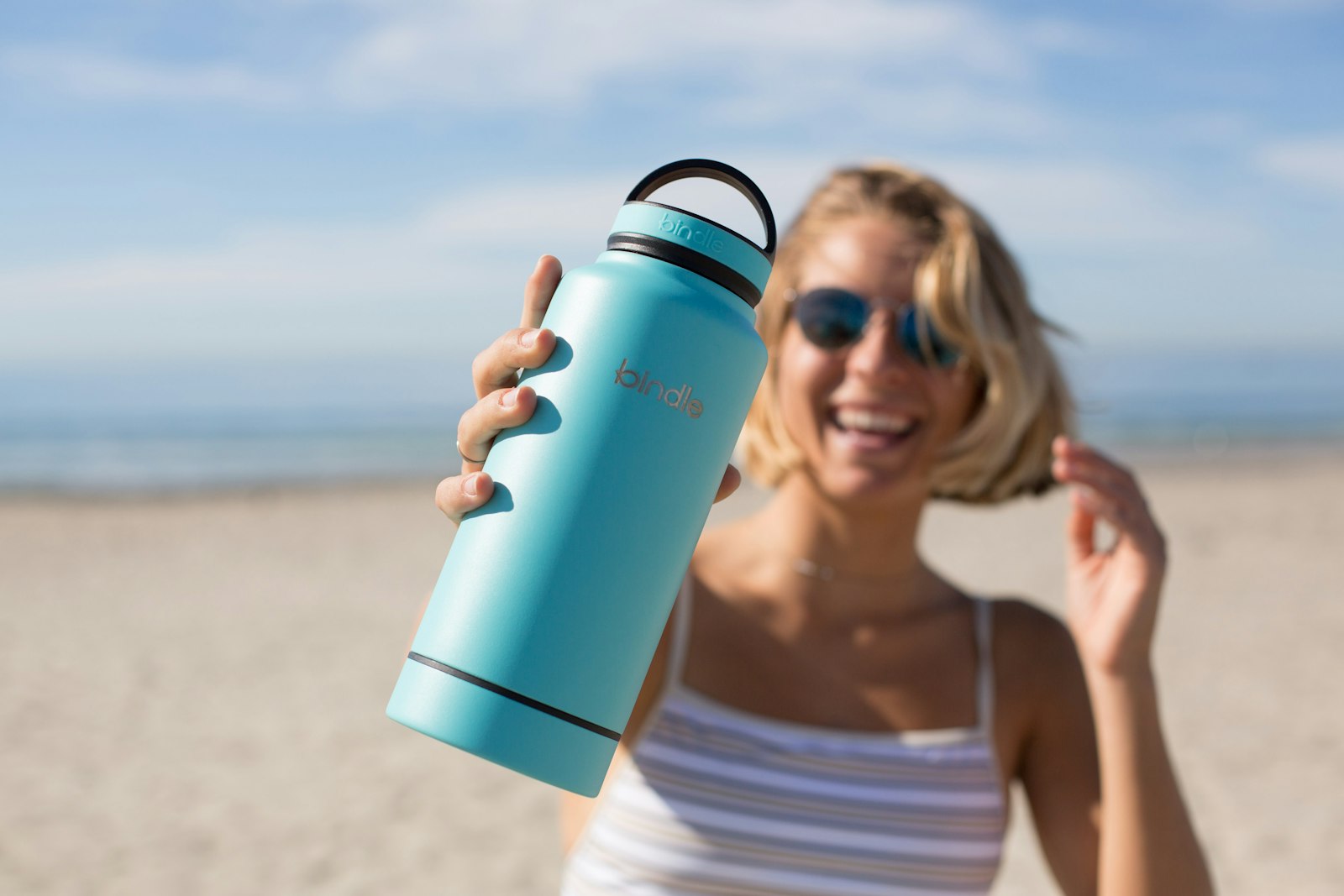
Walk through any airport, gym, or college campus and count the bottles. People carry them like accessories now. That shift is why so many creators want to know how to start a drinkware brand. A bottle or a tumbler is cheap to hold in the hand, it gets used every day, and a good one turns into a walking billboard for whoever made it. The category is also loud. Stanley and Owala turned insulated cups into status objects, and every wholesaler on the planet now sells a lookalike. The real question is how you launch something people actually want instead of one more logo on a generic bottle.
The market is big and still climbing
The demand is real. Persistence Market Research values the global reusable water bottles market at about 11.2 billion dollars in 2026, growing toward 16 billion by 2033, and pegs the smaller reusable tumblers segment near 859.6 million dollars in 2026. Two things are pushing it. People worry about microplastics and single use plastic, and a good reusable bottle has become part of how someone presents themselves. When a product is identity, brand beats commodity, and a creator with a real audience and a distinct design has an edge a faceless factory store never will.
Pick the product before you pick the color
Drinkware is not one thing. Decide what you are making first, because the material, the tooling, and the price follow from it.
- Water bottles. Everyday carry, usually stainless steel with a vacuum insulated wall.
- Tumblers. The Stanley style cup with a handle and a straw, big in the 30 to 40 ounce range.
- Cups and mugs. Ceramic, glass, or steel, more about aesthetic and home use than performance.
- Specialty. Kids bottles, protein shakers, gym jugs, and travel mugs each have their own crowd.
If you are unsure, start narrow. One hero product done well outperforms a scattered catalog, and what product should you launch first covers how to choose based on your audience and your margins.
Materials and the custom part that actually matters
Most performance drinkware is 18/8 stainless steel with a double wall vacuum for insulation. Where you win or lose is everything around the steel. The lid, the straw, the mouth width, the finish, the grip, and how it feels in the hand. You can order a stock bottle and print your logo on the side, or build a product with details that are yours. The first path is fast and forgettable, since anyone can order the same blank and undercut you next week. The second, a custom mold or a genuinely different lid, is what makes a real product brand instead of a print on demand item. Owala did not win on steel. It won on a lid that does two things. You need one or two decisions that make your bottle recognizable in a photo.
Samples before anything else
Never launch drinkware you have not held. Photos lie. A lid can look perfect and leak in a backpack. A straw can whistle. A powder coat can chip on the first drop. Order samples and abuse them. Fill the bottle with ice and check how long it holds cold, toss it in a bag sideways, run it through a dishwasher. The sample stage is where you catch the flaw that would otherwise show up in a hundred angry customer emails. Going it alone here gets expensive, since you pay for samples and wait weeks for something that is sometimes nothing like the spec. That gamble is where a factory network pays for itself.
MOQs and what you actually have to commit
Minimum order quantities are the wall most first timers hit. For custom drinkware, typical minimums run from about 50 units for simple logo work up to 3,000 units per design with a custom mold or color. Lead times commonly land in the two to four week range once a design is locked. That range hides a cash problem. Ordering 1,000 tumblers before you have sold one ties up thousands of dollars in inventory sitting in a garage. For the mechanics of avoiding that trap, minimum order quantities explained breaks down how to keep your first run small.
Pricing so the brand survives
Drinkware has room for healthy margin. A custom insulated bottle might cost you somewhere in the 6 to 12 dollar range to produce depending on volume and features, and comparable bottles retail from 25 to 45 dollars. That spread funds your ads, your shipping, and your time. Price from your landed cost up. Add the unit cost, freight, duties, packaging, and payment fees, then set a retail number that leaves real profit per unit. If margin math is not your strong suit, how to price a product you manufacture lays out the full stack. A crowded category tempts people into a price war. Compete on design and audience instead.
Launch to people, not to an algorithm
A distinct bottle still needs someone to want it on day one, and this is where creators have the unfair advantage. You launch to a following that already trusts you, not to strangers. Show the product being made and why the lid is different. Take preorders if you can so your first factory run matches real demand. Oskar Flodstrom, the artist behind the brand erik oskr, did a version of this with furniture rather than drinkware, filming the making of a piece and turning a following into 50,000 dollars in first day sales. Audience plus a product only you could make is the whole game.
Why a partner beats a plain logo job
You can source a generic bottle, slap your logo on it, and sell it. But that product has no moat, and the crowded market this article opened with will swallow it. The alternative is building something custom with no upfront inventory and no factory search of your own. That is what No Logo does. The team turns a sketch or a reference bottle into a real spec, produces it through a vetted factory network, and handles the sample, fulfillment, and support. The model is a flat 25 percent production margin with no minimums forced on you, and you keep the brand and set your own prices. If you have the audience, build the distinct product. Start a project.