How to Start a Supplement Brand Without Inventory
Learn how to start a supplement brand, from private label vs custom formulation to GMP and label compliance, pricing, and launching to an audience you have.
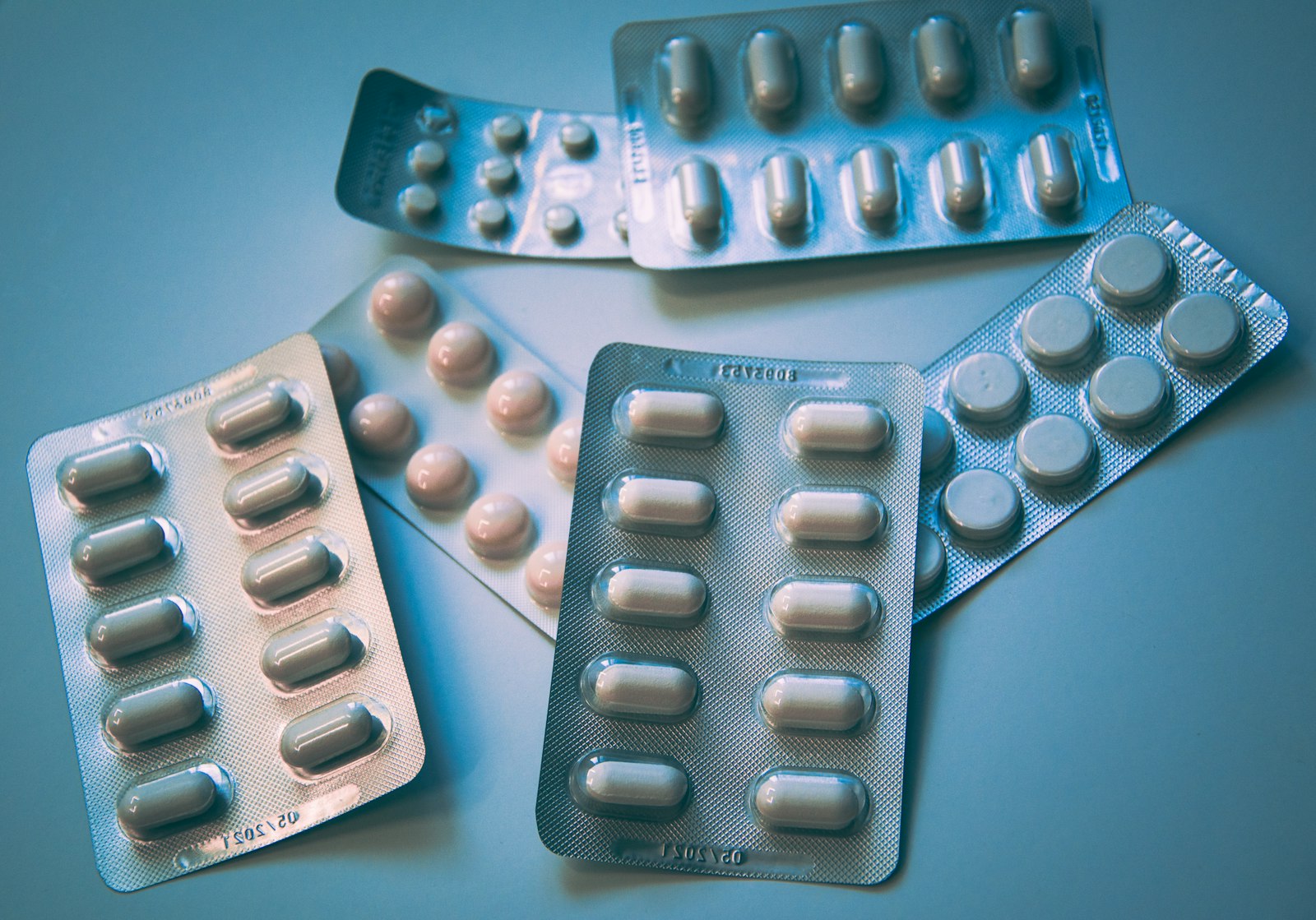
Your audience already asks you what you take. What is in your gym bag, what you put in your coffee, which magnesium actually helped you sleep. That recurring question is the whole reason to learn how to start a supplement brand. You have the trust and the reach. The gap is everything between an idea and a bottle a customer will swallow twice a day for a year.
The distance between a recommendation and a real product is smaller than most creators think
This is a big market and a serious one. Grand View Research estimated the US dietary supplements market at 68.74 billion dollars in 2025, with growth projected at a compound annual rate of 8.5 percent through 2033. Supplements go inside people's bodies, so trust is not a marketing word here. It is the product.
Find the angle only you can own
The worst supplement brands are a generic whey protein with a new logo. The good ones start from a specific person and a specific problem. What does your audience keep struggling with that you have actually solved. Sleep. Focus during long editing sessions. Recovery after climbing. Gut issues nobody talks about.
Pick one job and one format. Capsules, powders, gummies, and softgels all behave differently in production and cost, and you do not need all four to launch. A single hero product with a clear reason to exist beats a nine SKU catalog that says nothing. You can widen the line after the first one sells.
Private label versus custom formulation
There are two honest ways to make your first product, and they trade speed against control.
Private label means you brand a proven, existing formula. The manufacturer already developed and tested it, and you add your label, your dose story, and your positioning. It is faster and cheaper to launch, and minimums are lower. Custom formulation means a team builds a formula to your spec from scratch, choosing every active ingredient and dose. You get something proprietary that competitors cannot copy off a shelf, but it costs more and takes longer.
Real numbers help. Private label runs often start around 500 units and reach market in roughly 4 to 6 weeks, while a fully custom formula runs 8 to 12 weeks with minimums closer to 2,500 to 5,000 bottles. Capsules and powders carry the lowest minimums. Gummies and softgels sit higher because the process is more involved.
Most first time founders should start private label, prove the demand, then reinvest into a custom formula once the audience has voted with money. If you want the deeper breakdown of the three models, read private label vs white label vs custom.
Compliance and GMP basics
Here is the part people skip and regret. In the United States, dietary supplements are regulated under a 1994 law called DSHEA, and every facility that makes, packages, labels, or holds a supplement has to follow current good manufacturing practice rules set out in the FDA regulation known as 21 CFR Part 111. That covers ingredient identity testing, cleanliness, record keeping, and finished product specifications. A legitimate manufacturer operates in a GMP compliant facility. If a factory cannot speak to that clearly, walk. For a closer look at the production side, read how supplements get made.
Labeling is its own body of rules. Your bottle needs a compliant Supplement Facts panel under 21 CFR 101.36, an accurate other ingredients list, allergen disclosures, and your business name and address. If you make a structure or function claim, something like supports focus or promotes healthy sleep, DSHEA requires the disclaimer that the statement has not been evaluated by the FDA and that the product is not intended to diagnose, treat, cure, or prevent any disease. You also have to notify the FDA of that claim within 30 days of going to market. You cannot claim your supplement cures a condition. That crosses into drug territory and is a fast way to get a warning letter.
One more that catches people. If your formula uses an ingredient that was not sold in the US before October 15, 1994, it may count as a new dietary ingredient, and the FDA expects a safety notification at least 75 days before you sell it. Novel botanicals and trendy compounds are where this bites. None of this is legal advice, and rules change. Verify the current requirements with the FDA and a qualified regulatory or legal professional before you print a single label.
Sampling, testing, and the label
Never launch a supplement you have not held, tasted, and used. Order samples. Check the capsule size, the smell, how a powder mixes, whether the gummy tastes like something a person would take daily by choice. This is also when you finalize the label design against the compliance checklist above, so the artwork and the legal copy get built together instead of bolted on at the end.
Third party testing is worth the money. A certificate of analysis confirming identity and purity turns a skeptical follower into a repeat buyer. In a category with real trust problems, verification is a feature you can put on the page.
Pricing a supplement line
Supplements have a nice quality. People rebuy them. That changes the math versus a one time purchase like a jacket or a lamp.
Price from your landed cost per bottle, which includes the product, the packaging, testing, and shipping to your warehouse. A common retail structure lands finished goods at a multiple of that cost, which protects margin once you add payment fees, fulfillment, and the ad spend it takes to acquire a customer. Because buyers reorder, a subscription option lifts lifetime value, so many brands price with a small subscribe and save discount baked in. For the full framework on margin and markup, see how to price a product you manufacture.
Launching to an audience you already have
This is your unfair advantage. You are not buying cold traffic to a brand nobody knows. You are offering a product to people who already asked what you use.
Tell the origin story. Why this formula, what it fixed for you, what you refused to put in it. Show the sampling process, the testing, the label. Open with a limited first batch so demand is visible and you are not guessing at quantities. That mirrors how Oskar Flodstrom launched his furniture brand erik oskr to a following that had watched him build, and did 50,000 dollars in first day sales. You can read the erik oskr story for how a creator turned attention into a real product business.
The honest hard part
Read back over the compliance section, the minimums, the testing, the fulfillment, the customer service emails about a late package. That operational weight is why most creators who could build a supplement brand never do. Sourcing a GMP facility you trust, negotiating a first run you can afford, and holding inventory you paid for upfront is a real barrier, and it is exactly where a partner earns its place.
That is the model No Logo runs. You bring the idea and the audience. No Logo handles manufacturing through a vetted factory network, fulfillment, and customer support, at a transparent 25 percent production margin with no upfront inventory commitment. You keep the brand and you set the price. Creators on the platform often earn 30 to 50 percent profit per unit, a different universe from the 5 to 8 percent typical of affiliate links.
A supplement brand is one of the highest trust products a creator can sell, and one of the stickiest once it works. The formula matters. The compliance matters more than you want it to. But the thing that stops most people is the operational mountain, and that part is now optional. When you are ready, start a project with No Logo.