How to Manufacture Supplements From Formula to Bottle
How to manufacture supplements explained plainly, from formulation and form factors to GMP, testing, private label versus custom, plus real order minimums.
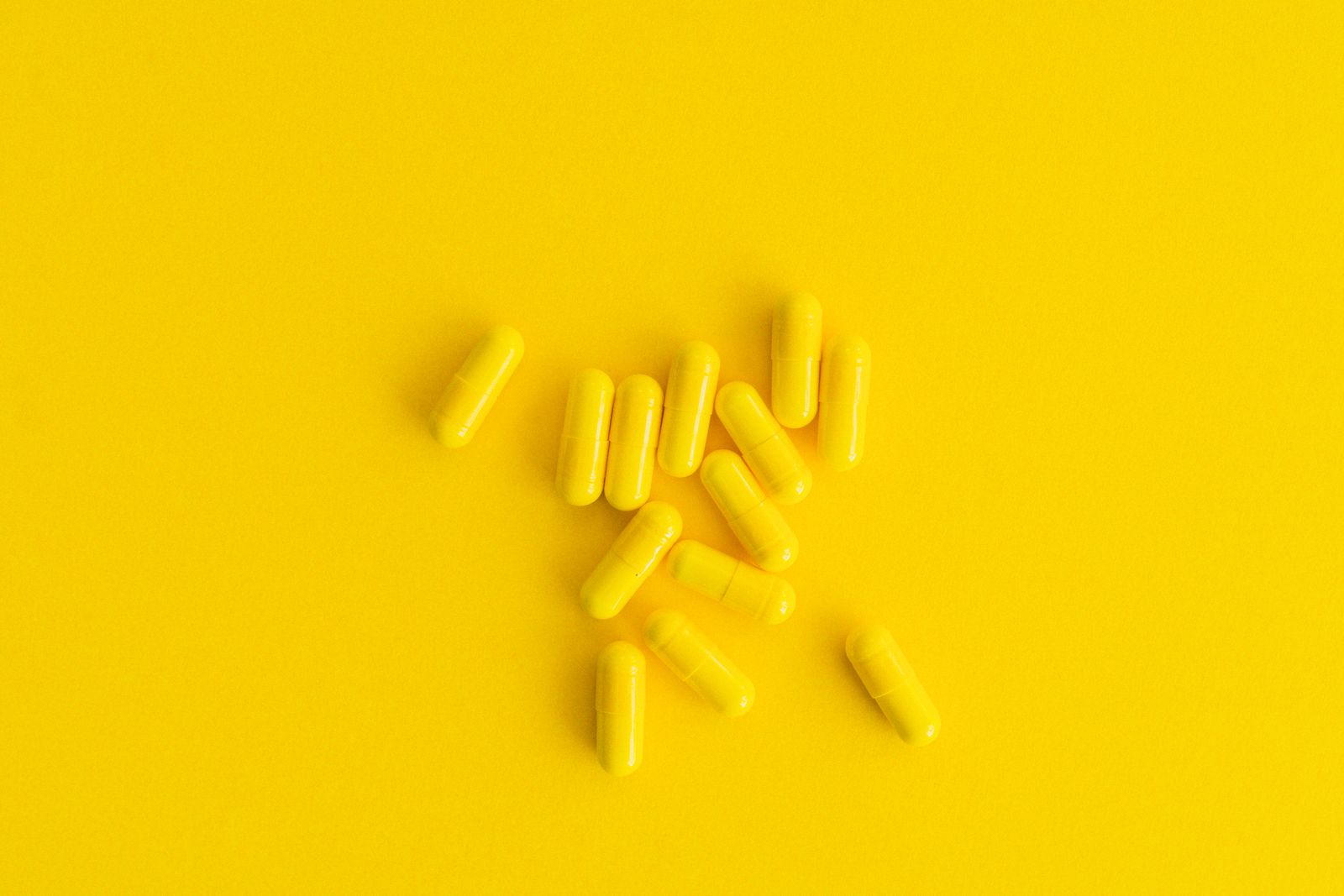
A capsule looks simple. A little shell, some powder inside, a label that promises what it does. Learning how to manufacture supplements is mostly learning how much sits behind that small object. Before a single bottle ships, someone settled on a formula, picked a form, chose ingredient suppliers, ran identity tests, and put the whole thing through a manufacturing standard the FDA can inspect. This is the honest walkthrough of that supplement manufacturing process, for creators and founders who want to understand it before they commit money.
The formula comes before the factory
Every supplement starts as a formula, which is just the recipe. What actives it contains, how much of each, and what goes around them to make the thing hold together and survive on a shelf. Most people picture the star ingredient and stop there. Alongside the actives you have fillers, binders, flow agents that keep powder moving through machines, and the capsule shell itself, gelatin or a plant based alternative. In 2026 a lot of formulas lean on botanicals and globally sourced ingredients, and cGMP consulting notes that this is exactly why validated identity testing and defined specifications matter so much now. You are not just buying an ingredient, you are proving it is what the supplier claimed. If you are still deciding whether supplements are the right category at all, how to start a supplement brand is the wider view.
Capsule, powder, softgel, or gummy
The form you pick changes the machine, the cost, and the timeline. Capsules are the workhorse, cheapest to produce, fast to fill, and forgiving of most powdered actives. Inventory Ready puts capsules and tablets in roughly the 1.50 to 4.00 dollar per bottle range, with softgels a bit higher at 2.00 to 5.50 dollars. Powders run 5.00 to 15.00 dollars a bottle, partly because you are shipping more material and often paying for flavoring. Gummies surprise founders. They photograph beautifully and customers love them, but they are the most expensive and complicated to make, needing specialized starch or mold lines, longer curing cycles, and real flavor work, while holding less active per piece. Inventory Ready lists gummies at 3.00 to 8.00 dollars a bottle, so if your first product has to be a gummy, plan for a longer runway and a higher unit cost.
GMP and testing are the part you cannot skip
Here is where supplements stop resembling other products. Dietary supplements sold in the United States fall under the FDA current good manufacturing practice rule, 21 CFR part 111. It requires anyone who manufactures, packages, labels, or holds a supplement to follow cGMP so the product contains what the label says and is free of contaminants like heavy metals and pesticides. A serious factory runs identity testing on incoming raw materials, keeps written specifications, tests batches, and documents all of it so an inspection can trace what happened.
Then there is third party testing, which is separate and slippery. The phrase third party tested has no legal definition, and as Truli and other testing writeups point out, a brand can send one batch to any lab, get a certificate, and use the claim forever. The credible seals are stricter. USP Verified confirms identity, potency, and purity against published standards. NSF/ANSI 173 is the only published American National Standard for dietary supplements, and NSF Certified for Sport builds on it by screening for more than 270 substances banned by major sports organizations. So when a supplement says it is tested, ask which lab, which standard, and whether every batch gets checked. This is general information, not legal advice, so confirm current FDA requirements with a qualified advisor before you launch.
Private label versus custom
Private label means you take a manufacturer's existing stock formula, a proven vitamin D, a standard pre workout, an off the shelf greens blend, and put your brand on the bottle. Fast, cheap, low risk. The tradeoff is that a dozen other brands can order the identical formula. Custom, sometimes called full custom or contract manufacturing, is your own formula built from scratch. It costs more, the minimums climb, and the timeline stretches while the formula gets developed and stability tested. Between the two sits white label, which blurs the line, and private label versus white label versus custom manufacturing sorts them out. The common mistake is paying custom prices before you have proven anything sells, or shipping a private label formula while telling your audience you designed it from the ground up.
Filling, bottling, and labeling
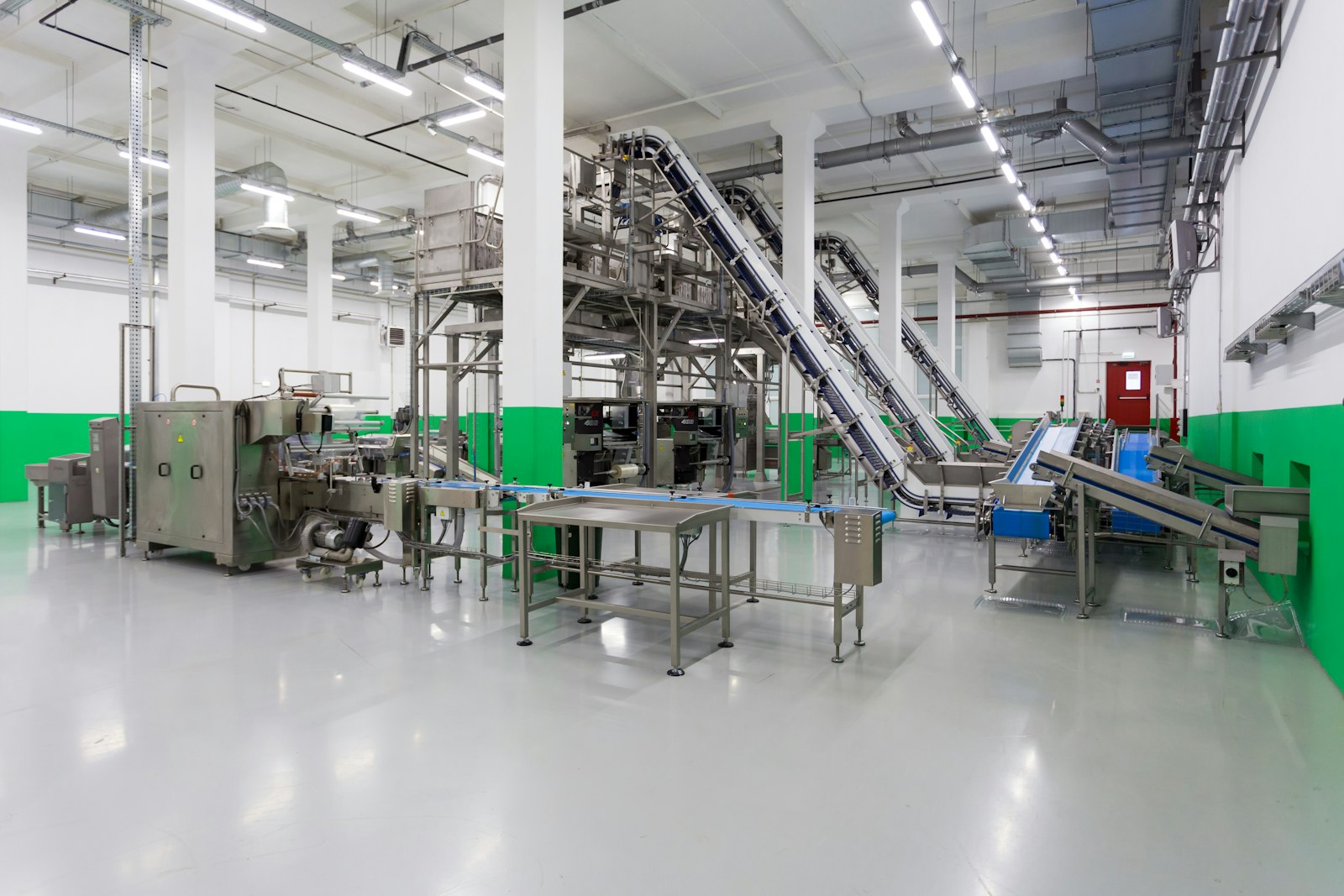
Once the formula and form are locked, production is a sequence. Ingredients get weighed and blended to spec, the blend gets encapsulated or pressed or poured, and finished units move to bottling, where they are filled to count, capped, sealed, and labeled. The label is not an afterthought. FDA rules dictate what a supplement facts panel has to show, how actives are listed, and what claims you can and cannot make. Get the panel wrong and you are out of compliance. A good manufacturer catches this before it prints. A cheap one prints whatever you send.
Minimums are the wall most first timers hit
Manufacturers set minimum order quantities, and the traditional numbers are steep. Industry norm for a custom capsule sits around 5,000 to 10,000 units per formula. That is a lot of cash tied up in inventory for a product you have not sold. The 2026 picture is friendlier if you know where to look. Matsun Nutrition offers a 2,500 unit minimum against that norm, and low MOQ guides from Aurinutra and others describe stock formula runs starting far lower, with some suppliers going down to a few hundred units. Stock formulas and shared runs cut the minimum, full custom raises it. If minimums keep stopping you, minimum order quantities explained goes deeper.
How to manufacture supplements without building the operation yourself
Formula development, ingredient sourcing you can trust, a factory that holds cGMP, real testing, label compliance, and a minimum you can afford. Any one is learnable. Stacking all of them at once, while you also build an audience and a brand, is what eats a year. That is the gap a manufacturing partner closes. One founder spent a full year chasing the right factory for a product, burning through samples and dead ends. He came to No Logo, and because we have people on the ground in China and a vetted factory network, we produced his next product in about two weeks. Oskar Flodstrom, the creator behind the pill bottle side table and the brand erik oskr, submitted a sample and got a finished, manufactured product back with no capital and no minimums on his side. His whole launch story runs on that removal of complexity.
The honest case is simple. A vetted network means you skip the sample gambling and the factory search. A flat 25 percent production margin with no upfront inventory means you are not fronting cash for 5,000 bottles to find out if the thing sells. You keep the brand, and you set the price. If you have a supplement you believe in, get in touch with the team with no obligation. The capsule was always the simple part. Making the same clean, compliant, tested capsule ten thousand times is the business.