Idea to Product in 6 to 8 Weeks
A week by week look at the real product development timeline for creators, what speeds it up, what slows it down, and who does the work at each stage.
Six to eight weeks. That is the honest product development timeline from your first message to a finished product you can sell. Not six to eight months, which is closer to what the rest of the industry quotes for a new consumer product. Knowing what happens in each of those weeks is the difference between waiting patiently and refreshing your inbox at 2am wondering if anything is moving.
A timeline is not one clean line. It is four stages, each with its own rhythm, and the stuff that decides whether you land at six weeks or eleven usually happens in the first two.
Stage one. The idea, roughly week one
You start with something small. A sketch on your phone. A photo of a thing you built in your garage. A paragraph describing what you wish existed. That is enough to begin.
In this stage you do most of the talking and almost none of the work. You explain what the product is, who it is for, and what it needs to feel like in someone's hands. The team on the other side asks questions you might not have considered. How big is it. What is it made of. Does it need to fold, stack, hold weight, survive a drop. Every answer you can give now is a decision that does not have to be made later, and later is where time gets expensive. Week one is fast when you show up with specifics and stalls when the idea is still fuzzy.
Stage two. Development, weeks two to three
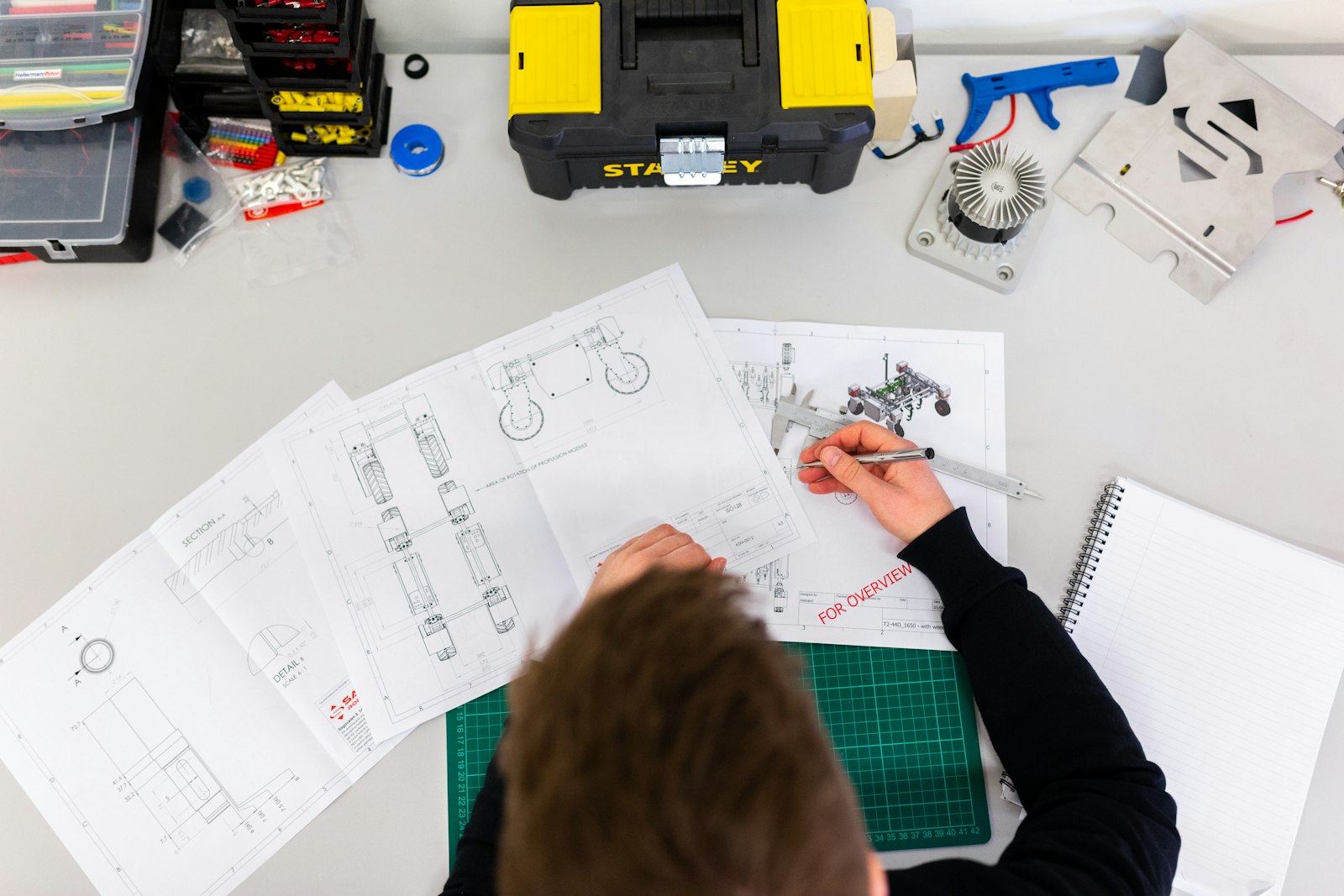
This is where a loose idea becomes a buildable spec. Materials get chosen. Dimensions get locked. Someone figures out how the thing is actually produced, which factory in the vetted network is right for it, and what it costs to make one unit.
Most of this is not your job. No Logo handles sourcing, production details, and the engineering questions that turn a want for a side table shaped like a pill bottle into a set of files a factory can work from. Your job is to react. You look at options, you say yes or no, you flag the thing that feels off. The faster and clearer your feedback, the faster this moves.
If you have never designed anything before, this stage sounds intimidating and is not. We wrote a whole piece on it in design a product when you are not a designer. You do not need technical skills, you need taste and opinions. Where development stretches is complexity. A single molded shape moves quickly. A product with custom hardware, multiple materials, or a finish that has to be exactly right will need more back and forth, and each round adds days.
Stage three. Sampling, weeks three to five
Now the product stops being a file and becomes a physical thing you can hold. A sample gets made and shipped to you. You touch it, use it, and find the flaws that no drawing ever shows.
This is the stage people underestimate, and it is the one most worth protecting. Industry data on prototyping backs this up. Initial samples commonly take one to three weeks to produce, plus a few days of shipping, and each round of revisions after that budgets another one to two weeks. Two rounds of revisions is normal. Three or more usually means the brief was unclear at the start, which is exactly why stage one matters so much. If you want the mechanics of this step, read how to get a product sample made.
Sampling is honest in a way nothing else is. The color reads differently in daylight, the edge is sharper than it looked, the weight is wrong. Catching that before a factory makes a thousand of them is the whole point. You inspect, you decide, you approve. No Logo manages the making, the shipping, and the changes. When you sign off, the timeline moves to its final stage, and there is no undo after that.
Stage four. Manufacturing and fulfillment, weeks five to eight
The approved sample becomes a production run. The factory makes your product at scale, quality control checks it, and it gets routed into warehousing so it can ship to customers. Your store gets set up through Shopify in parallel, so the day inventory is ready, you can sell.
A production run itself typically takes four to six weeks in the broader industry, a big reason a normal launch drags into months. Compressing that is the part No Logo owns. The factories are already vetted, the relationships already exist, and fulfillment is built in rather than bolted on afterward. You are not calling around for freight quotes or negotiating minimums.
By the end of this stage you have a live store, product on a shelf somewhere, and a customer service line that routes to No Logo instead of your phone. If you want the full picture of how a launch comes together, how to launch a product brand as a creator walks the whole thing.
What actually blows the timeline
Speed is mostly about decisions, not machines. Design revisions are the biggest one. Every time a sample comes back and you want to change something meaningful, you reset part of the clock. Complexity is the second. More materials, more parts, and more custom finishes each add sampling and sourcing time. Material sourcing is the quiet third factor, because a specialty material or an unusual component can become the single slowest item that everything else waits on.
Then there is the stuff nobody controls. Freight gets disrupted, ports back up, a material shortage upstream ripples down. Much of the delay risk sits upstream, before goods ever ship, which is why a partner who manages sourcing and logistics as one system matters more than any single shortcut. The fastest path is a clear idea, quick feedback, and a sample you actually inspect instead of rubber stamping.
How Oskar went from a DM to a live store
Oskar Flodstrom built furniture in a small room under a freeway overpass. He posted a video of a pill bottle shaped hamper, it did 500,000 views, and a No Logo employee slid into his Instagram DMs. He submitted a sample. The team manufactured it inside the factory network, sent the finished sample back, and he launched his brand erik oskr with no capital of his own and no minimums to hit. The store did 50,000 dollars on day one. You can read the full arc in the erik oskr story.
That is the timeline working the way it is supposed to. A rough idea, a real sample, a fast build, a live store. Six to eight weeks is not a slogan. It is a promise you can hold in your hands. If you have an idea and an audience, start a project with No Logo.