How to Source Products to Sell in 2026
Compare the five real ways to source products to sell, learn how to vet a supplier before you pay, and find the fastest lowest risk route to real inventory.
You have a product in mind. Maybe you already sell something and need a better maker. Either way you want to source products to sell, and you want a next step, not a lecture on the history of trade. So here is the honest map. There are five real ways to get a product made, each has a genuine tradeoff, and by the end you will know which fits where you are now. Sourcing is just the work of turning an idea into units you can ship. Finding who makes it, proving they can make it well, and getting the first run into your hands without lighting money on fire.
The five real ways to source products to sell
Every path below is legitimate. What changes is how much time, cash, and risk lands on you.
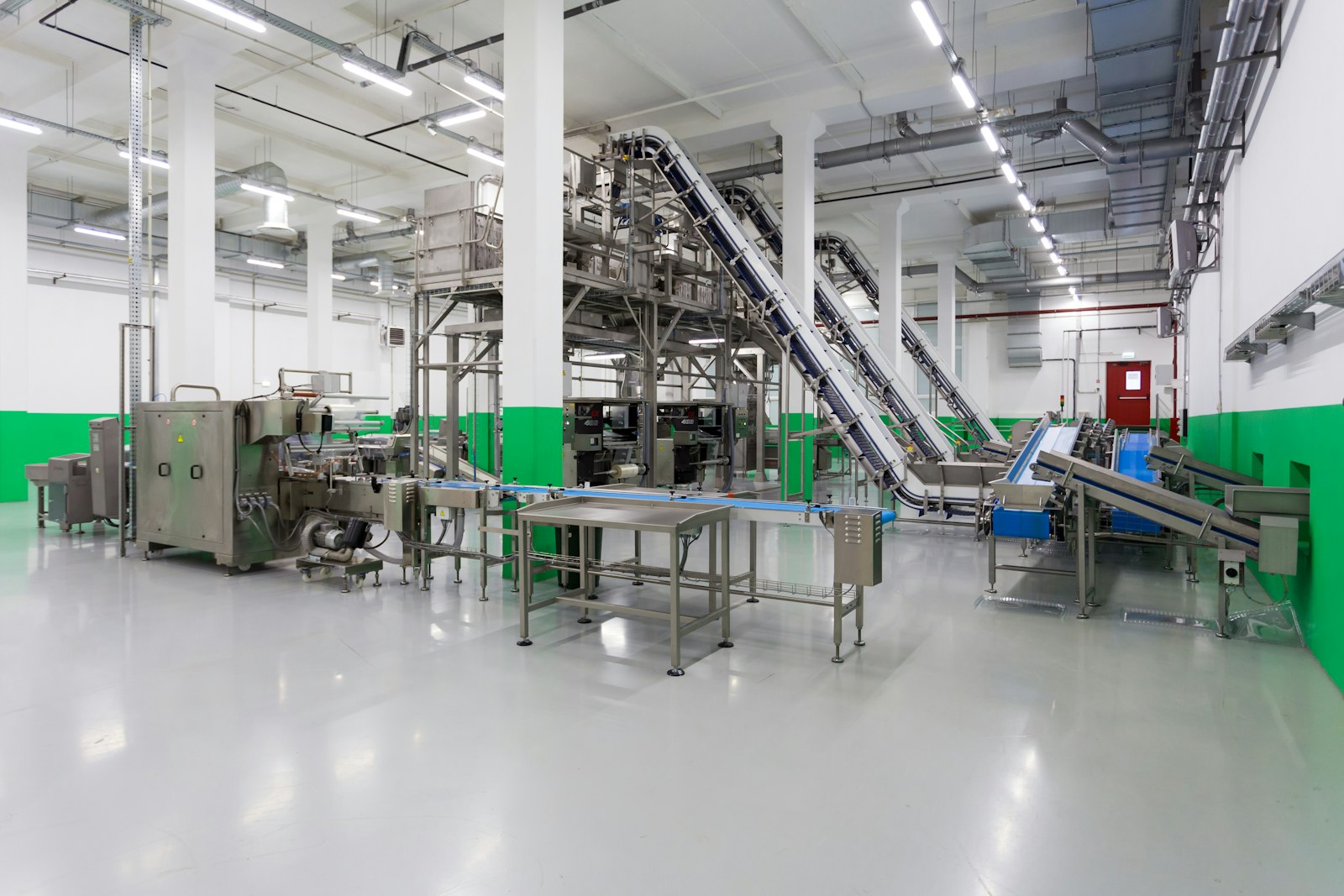
Manufacturers direct gives you the most control and the best unit cost, with no middleman markup. The catch is that everything is your job. You find the factory, vet it, negotiate, pay for samples, and manage quality control across a twelve hour time difference. Cosmo Sourcing frames it as the highest control option and also the highest effort one.
Online marketplaces like Alibaba and Global Sources are where most people start. Alibaba alone lists over 24 million active suppliers, according to its own 2026 seller reporting. Then the platform steps back. Knowing which supplier is real and will ship you at 500 units what they showed in a sample is all on you. The Verified Supplier badge means a factory paid a fee and passed a basic check, not a quality guarantee.
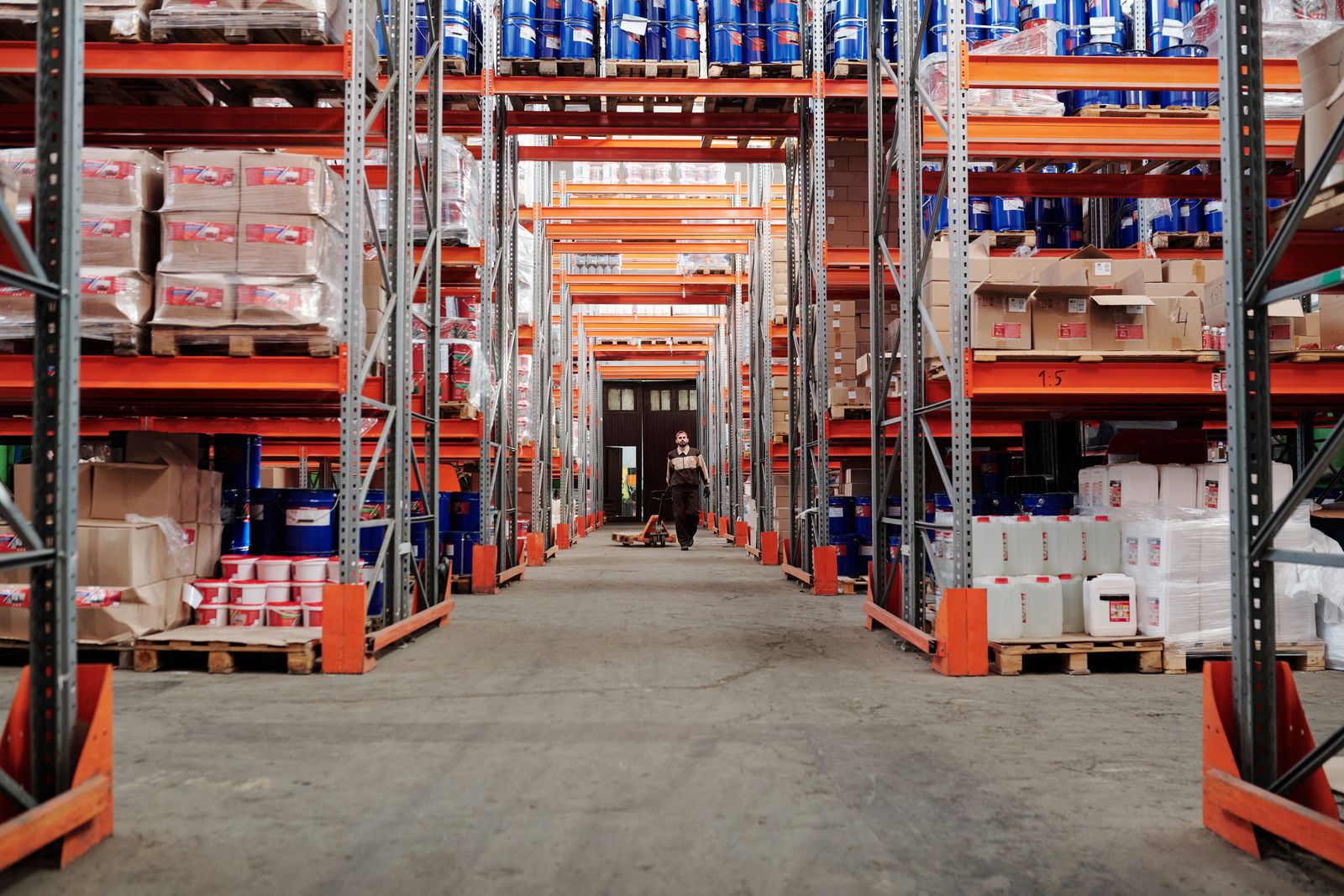
Wholesale and distributors are the fast lane if you want to resell rather than make your own. You buy finished goods in bulk and sell them on. Shopify's 2026 wholesale guide points to directories like SaleHoo, Worldwide Brands, and ThomasNet. Wholesale gets you to market quickly, but it does not get you a brand.
Sourcing agents source on your behalf, handling the language, the visits, and production. Commission rates commonly run 3 to 10 percent of order value, per firms like SVI Global and Maple Sourcing. A good agent removes real pain, but you are still trusting their network rather than one you can see.
A full production partner already has the vetted factory network, the people on the ground, and quality control built in. You bring the idea, and they handle sourcing, samples, production, and often fulfillment. No Logo is built this way.
How to vet a source before you trust it
Whichever path you pick, the vetting rhythm is the same, and skipping it is how people lose deposits. Confirm the source is a real business, not a reseller pretending to be a factory. At the Canton Fair, one of the largest sourcing events in the world with more than 25,000 exhibitors, a known red flag is a booth showing dozens of unrelated products under one brand and stalling when you ask to see the factory. Online, ask a technical question about your product. A real maker answers in detail. A trading company gets vague. Then ask for the paperwork, a business license, certifications, and video of the production line, and send a written request for quotation with your exact spec. And watch the money. The classic way brands get burned is a supplier asking you to pay a personal account instead of the company account. Pay off platform and every protection is gone. We wrote a full walkthrough on how to find a supplier for your product.
Samples and MOQs, the two things that decide your budget
Two numbers control whether a sourcing project is even possible for you. Samples come first. You cannot judge a factory from a listing, so you pay for samples, usually from three to five suppliers at once, then wait on shipping and compare. Do not haggle over sample cost. The trap is that a great sample does not promise a great production run, which is why experienced buyers pay for a third party inspection before releasing final payment. Then there is minimum order quantity. Low MOQ has gotten more common, with many factories offering 100 to 500 piece runs, but even a low minimum is real cash before you have sold anything. Add 2026 tariffs on top and the math tightens. In June 2026 the US Trade Representative proposed increased Section 301 tariff rates of 10 to 12.5 percent on dozens of economies, which lands on your landed cost. If MOQs are your sticking point, read minimum order quantities explained. The do it yourself path asks for money at three separate points before launch. Samples, the minimum order, and inspection.
Why a vetted partner is the fastest lowest risk route
Every path above works if you have the time and the tolerance for risk. Most people sourcing right now have neither. The factory access, the local presence, and the years of vetting are things you cannot build alone in any reasonable amount of time. One founder came to No Logo after spending a full year trying to find the right factory for a pants project. Because No Logo already had the network and people on the ground in China, his next product, a hoodie, was sourced and produced in about two weeks. On the creator side, Oskar Flodstrom, the maker behind the brand erik oskr, submitted a sample, launched with no upfront cost at all, and did 150,000 dollars in sales in his first two weeks. You can read Oskar's story for the full arc.
The model takes the upfront gamble off you. No inventory to pre buy. A flat 25 percent production margin with no hidden fees. You keep full control of your brand and set your own retail price, and you get a finished product instead of a directory of strangers to vet. Since a lot of readers are weighing overseas options, our guide on how to source products from China covers that route. Doing it yourself can work, but if you want to go from idea to sellable product fast, the shortest line is a partner who already did the hard part. Start a project.