How to Manufacture Skincare From Formula to Jar
How to manufacture skincare products, covering formulation, private label versus custom, contract manufacturers, safety testing, filling, and order minimums.
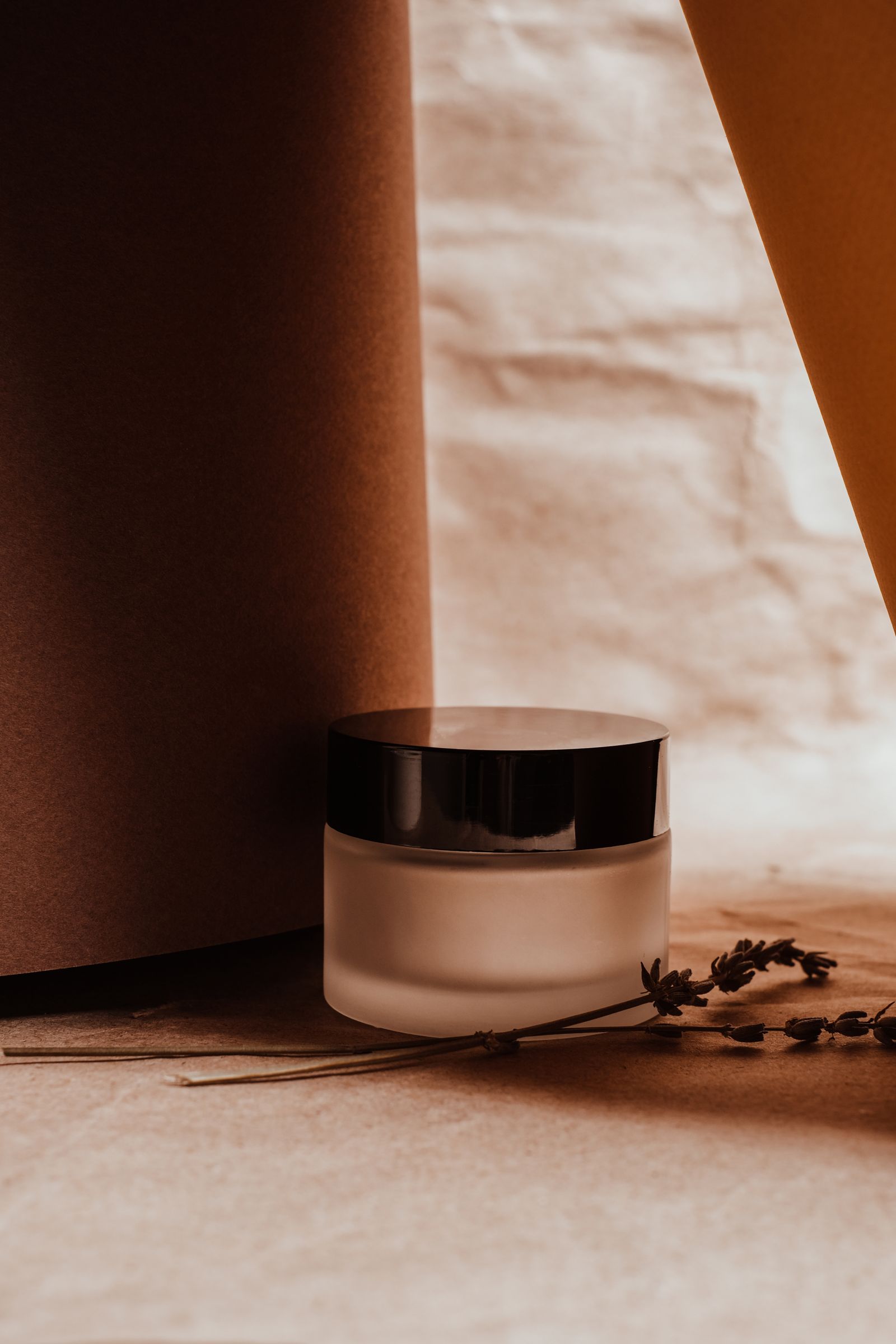
A jar of face cream looks simple. Something thick and pleasant, a nice lid, a label with a few ingredients you half recognize. Behind that jar is a chemistry problem, a stack of paperwork, and a filling line running at a temperature someone had to dial in. Learning how to manufacture skincare products means understanding that the product in your hand is the last five percent of the work. The rest happened in a lab and a factory, and it is the part that decides whether your cream separates on a shelf or grows something it should not.
It starts with a formula, not a factory
Every skincare product is a recipe of raw materials measured to a percentage. Water, oils, an emulsifier to bind the two, active ingredients that make the claims, thickeners, and a preservative system that keeps microbes out for the life of the product. A cosmetic chemist writes that recipe and adjusts it until texture, scent, absorption, and stability all behave. That work is slower than people expect. A project built on an existing base formula can be ready in roughly 3 to 4 months, a fully custom formula runs 4 to 6 months, and novel ingredients or drug type claims can take a year or more, according to LF of America's 2026 guide to skincare manufacturing. The difference is whether you are inventing chemistry or borrowing it, and most first products borrow it.
Private label versus custom
There are two doors into skincare manufacturing. Through the first, you pick from a lab's library of proven formulas, a vitamin C serum, a niacinamide moisturizer, a gentle cleanser, and put your brand on it. Private label is fast and cheap because the hard chemistry is already done and tested, but other brands can order the same base off the same menu, so your differentiation lives in branding, packaging, and story. Through the second door you develop a formula that did not exist before. Custom costs more and takes longer, but the formula is yours and no competitor can buy the exact same thing.
Most brands start closer to private label and move toward custom as sales justify the spend. The mistake is paying for custom development before you know the product sells, or shipping a stock formula while telling your audience you built it from scratch. If those models feel blurry, private label vs white label vs custom manufacturing lays out the real differences.
Who actually makes it
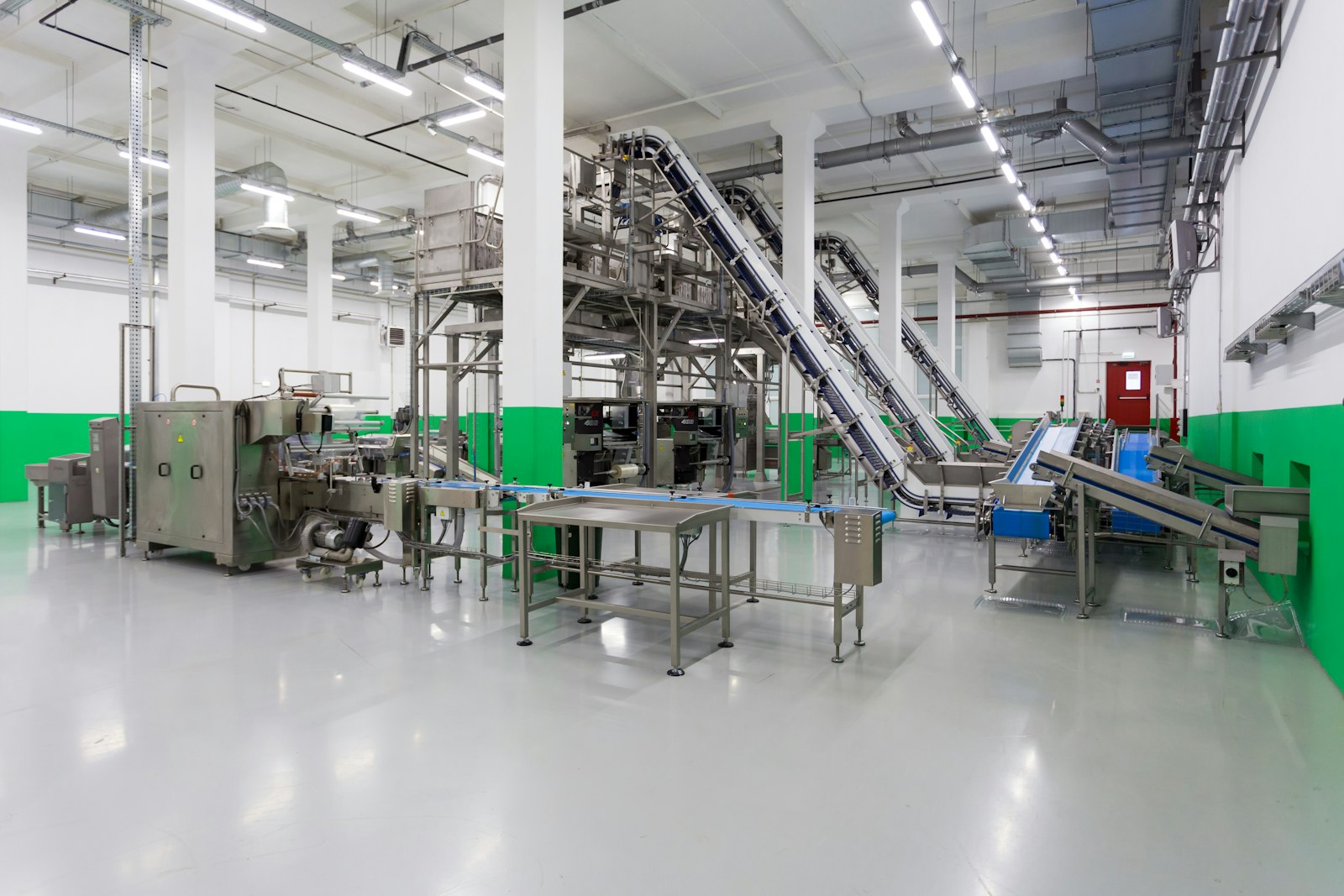
You almost certainly will not make skincare yourself. The company that produces it is a contract manufacturer, often called a cosmetic OEM or ODM lab. They own the mixing tanks, clean rooms, filling equipment, and regulatory know how. A good lab does more than mix. It will flag an unstable formula, tell you a preservative is failing, and steer packaging that protects the product. Finding a lab that will take a small brand seriously and communicate across a time zone is its own project.
Compliance and safety testing you cannot skip
Skincare is regulated, and in the United States the rules got sharper. Under the Modernization of Cosmetics Regulation Act, known as MoCRA, the FDA now requires cosmetic manufacturing facilities to register and companies to list each product and its ingredients. Foley and Lardner noted in March 2026 that facilities faced their first registration renewal deadline of July 1, 2026, with renewal required every two years after that. The FDA has reported more than 15,000 active facility registrations and over a million active product listings through its Cosmetics Direct portal.
Then there is the science that proves the product is safe. Stability testing confirms the formula does not separate, discolor, or go rancid over time, and labs typically build in at least 12 weeks for it. Preservative efficacy testing deliberately introduces bacteria, yeast, and mold to prove the preservative system controls them, following standards like USP 51 or ISO 11930, according to testing firm Intertek. None of this is cheap. Made by Genie's 2026 development roadmap puts basic stability and safety testing at 5,000 to 15,000 dollars, climbing to 15,000 to 50,000 dollars or more with clinical studies to back performance claims. This is general information, not legal or regulatory advice, so confirm current requirements with the FDA or a qualified advisor before you budget or launch.
Filling, packaging, and MOQs
Once the bulk batch passes testing, it goes onto a filling line where units are filled to a set weight, capped, sealed, labeled, and often batch coded. Filling and packaging commonly run 6 to 8 weeks. Packaging is not just the look. An airless pump protects a vitamin C serum that would oxidize in an open jar, amber glass shields light sensitive actives, and component lead times can take longer to source than the cream inside.
Minimum order quantity is the smallest run a lab will produce, usually set per SKU, and it decides how much cash you tie up before selling a thing. Standard private label cosmetic MOQs run roughly 1,000 to 3,000 units per SKU, and traditional contract manufacturers often set them at 5,000 to 10,000 or higher, according to Sheleys' 2026 breakdown. The market has softened at the low end though. Low MOQ labs will do runs of 50 to 500 units, and NextBeauty Labs points to providers like Onoxa that start as low as 12 units per product. Lower minimums cost more per unit but let you test before you commit, a tradeoff covered in minimum order quantities explained.
Why a partner changes the math
Doing this alone means sourcing and vetting a lab from thousands of miles away, negotiating minimums, paying for samples that may not work, and managing testing and compliance, all while hoping the factory answers your emails. It is doable, but slow. A partner who already owns the factory relationships removes most of that. One founder spent a full year chasing the right factory for a product on his own, burning through samples and dead ends. He came to No Logo, and because there are people on the ground in China and an established, vetted network already in place, his next product was sourced and produced in about two weeks. That is the actual thing being sold, the years of factory access and vetting you cannot build from a laptop, at a flat 25 percent production margin with no upfront inventory. You keep control of your brand and set your own pricing. Oskar Flodstrom did exactly this for his brand erik oskr, submitted a sample, got a finished one back with no capital and no minimums, and launched, a path you can read in Oskar's story.
If you are earlier and still shaping the concept, how to start a beauty or skincare brand covers the first decisions before manufacturing. When you are ready to make a real, tested product, get in touch with the team with no obligation. The jar was always the easy part. Making a safe, stable, well made product every single time, at a price that leaves you real margin, is the business.