How to Source Products From China the Right Way
A practical 2026 guide on how to source products from China, verify suppliers, run samples and QC, handle MOQs, pay safely, and price in the new import duties.
If you are reading this, you probably already have the product in your head. You know roughly what it costs to make, and now you need a factory that can build it. The real question of how to source products from China is not where to look. It is how to look without wiring money to the wrong company. China still makes more of the world's consumer goods than anywhere else. The hard part is telling the real factories from the convincing listings, from thousands of miles away.
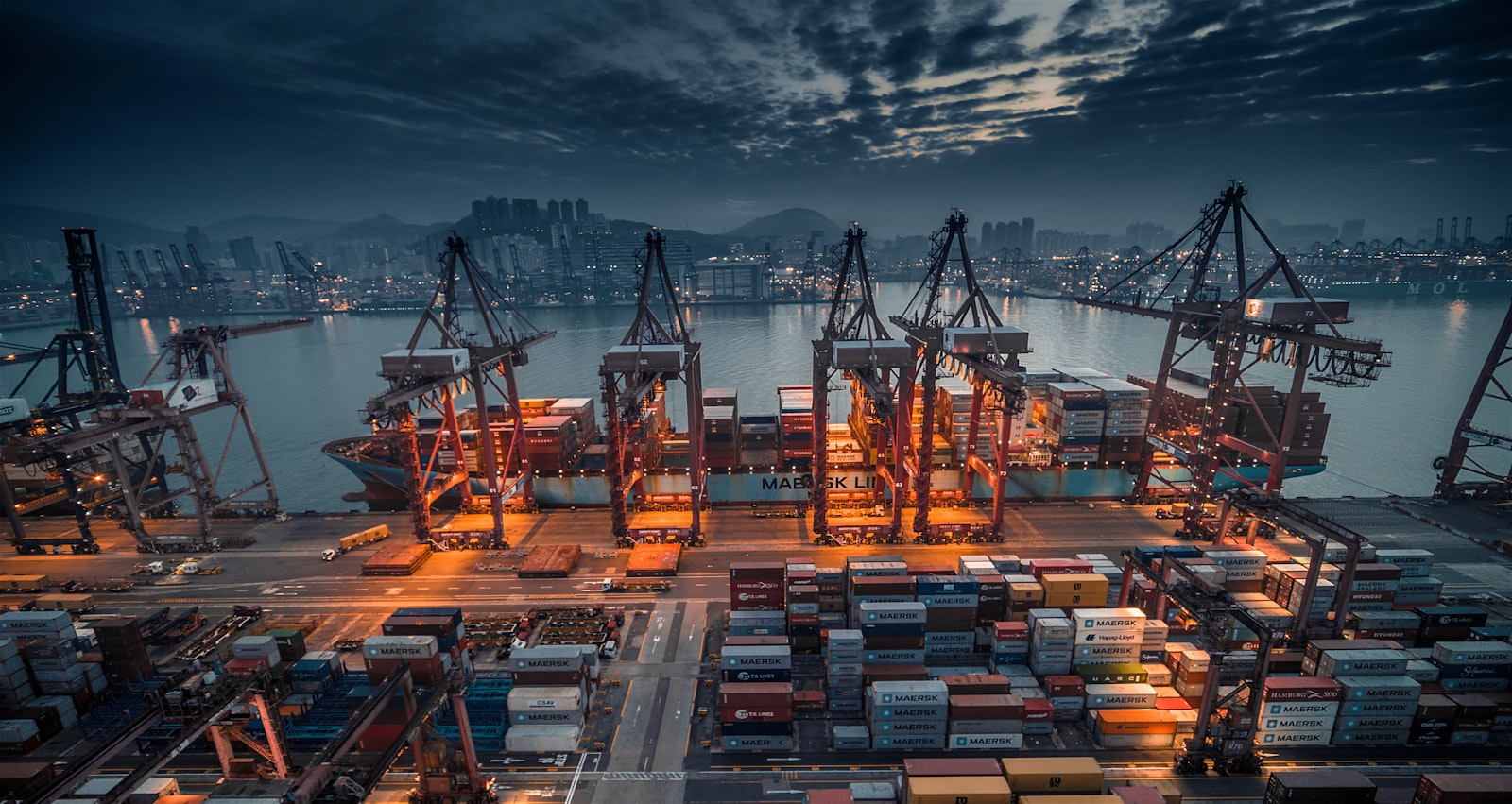
The last mile of every China order, a port loading the goods you have to trust before you ever see them
This guide walks the whole path. Finding suppliers, verifying them, samples, minimum orders, safe payment, and the 2026 duty picture.
Where to actually find China suppliers
Most people start on Alibaba, and that is fine. It has the largest pool of listed Chinese suppliers, and its Trade Assurance program gives first orders a layer of protection. The sourcing firm Statrys still calls Alibaba with Trade Assurance the lowest friction place to begin. Just know that a listing is a sales page, not a factory tour. There are other channels. 1688.com is Alibaba's domestic platform, and prices there often run 20 to 40 percent cheaper, but it is hard to use as a foreigner. Global Sources attracts larger, export experienced factories and is stronger for electronics. And the Canton Fair in Guangzhou runs twice a year, with the 2026 autumn edition scheduled across October 15 to November 4 according to organizers. Experienced importers rarely rely on one source. They cross reference two or three.
How to verify a supplier is real
On Alibaba, a Gold Supplier is a paid membership, so it is a floor, not a guarantee of quality. The stronger signal is the Verified Supplier badge, where an independent inspection firm such as SGS or Bureau Veritas has physically visited the factory and confirmed its capability. Treat either badge as a reason to keep talking, not proof to send money. Then do your own checking. Ask for a business license, an export license, and relevant certifications, and cross reference the company name against the bank account you are told to pay. When the name on the contract does not match the name on the account, stop. That mismatch is one of the oldest scams in the trade. For anything past a trial order, pay an independent firm like QIMA, SGS, or V-Trust to walk the floor.
Samples and inspections are not optional
Never approve a full production run off a sales sample. Order a pre production sample built to your exact spec, then hold the factory to that reference for the entire order. A sample is cheap. A ruined 5,000 unit run is not. Before the goods ship, book a pre shipment inspection, where a third party inspector checks quantity, function, labeling, packaging, and defects using AQL sampling under the ISO 2859-1 standard. Against a five figure order, an inspection that costs a few hundred dollars is some of the cheapest insurance you will ever buy. Our guide to getting a product sample made goes deeper on the sampling step.
MOQs and what they really mean
Minimum order quantity is the number of units a factory will accept for one run, and for a new brand it is often the first wall you hit. A factory quoting 1,000 units when you wanted 200 is not being difficult, since setup, materials, and machine time have fixed costs it needs to spread across a run. You have room to negotiate early, but the trap is ordering deep on a product you have not proven just to clear an MOQ. We break it down in minimum order quantities explained.
Paying without getting burned
Alibaba Trade Assurance holds your payment in escrow and releases it once the order meets the terms written into it, which is why documenting your spec in the order text matters. A common structure outside escrow is a deposit up front with the balance due after your inspection passes, often a 30 percent and 70 percent split. Do not let the final payment leave your hands until an independent set of eyes has confirmed the goods. Wiring the full amount to a brand new supplier before inspection is how founders lose real money.
Shipping and 2026 duties, honestly
A perfect factory does not save you from customs, and the rules moved hard. If you import from China, Section 301 tariffs still apply on top of the normal duty, generally 7.5 percent on many consumer goods and apparel and 25 percent on a lot of other categories. The bigger change is de minimis. The rule that once let shipments under 800 dollars enter the United States duty free is gone. Per Executive Order 14256, China lost that treatment in May 2025, and Executive Order 14324 suspended duty free de minimis for all countries as of August 29, 2025. Price your landed cost with the duty in, never off the factory quote alone. For the legal ways to soften that hit, we cover them in how to reduce tariff and duty costs.
Why local presence beats sourcing blind
Every step above is really trying to buy one thing you do not have. Presence. Someone who can stand in the building, speak the language, and give the factory a reason to care about your order. A firm that already has people on the ground in China and years of factory relationships has leverage you cannot assemble from a laptop. One brand we know spent a full year trying to find the right factory for a pants project. Because No Logo has an on the ground presence in China and an established, vetted network, we sourced and produced that same founder's next product, a hoodie, in about two weeks. You bring the design and the audience. We handle sourcing, sampling, quality control, and production at a flat 25 percent production margin, with no upfront inventory to float and no deposit wired to a company you have never met. You keep your brand and your pricing. To see how this compares to hunting a marketplace yourself, read No Logo versus Alibaba. The founders who get burned are rarely careless. They are just alone, betting on people they cannot see, and closing that distance closes most of the risk. Start a project.