How to Start a Furniture Brand
Learn how to start a furniture brand, from a distinctive design and sourcing to the freight math and direct from factory margin that makes the numbers work.
A guy in a 120 square foot room under a Los Angeles overpass bent a sheet of acrylic he found on the side of the road into a three foot tall pill bottle. It became a side table, and that single object is the cleanest answer to how to start a furniture brand in 2026. Most advice online misses why.
Furniture feels intimidating because it is big, heavy, and expensive to make. It is also one of the last categories where a genuinely new idea stands out on a feed full of the same beige sofas. If you have taste, an audience, or both, the door is more open than the freight quotes make it look.
A single well made object can carry a whole brand
Start with a point of view, not a product line
The mistake founders make is starting with a category. They decide to do lighting or dining tables and then design something acceptable inside that box. Acceptable furniture does not travel. Weird, specific, opinionated furniture does.
Oskar Flodstrom did not set out to build a home goods company. He built things to make his apartment look cool to him, posted a video of a mirror, and it did a million views. The pill bottle hamper that followed did 500,000 views when he had 4,000 followers. The object carried the reach, and his brand erik oskr grew out of it being unlike anything else in the frame.
So before you price anything, get honest about your angle. What object do you keep wishing existed, what shape would make someone stop scrolling. A furniture brand is a design sensibility with a checkout button attached, so nail the sensibility and the rest is logistics.
Design and sample before you spend real money
You do not need a factory to start. You need one thing that proves the idea in three dimensions.
Startup costs are smaller than people assume when you skip the workshop. FinancialModelsLab estimates a small home based furniture studio can launch on roughly 15,000 to 75,000 dollars, only ballooning to 100,000 to 500,000 dollars once you buy machinery and lease a facility. The same research puts high quality renders and a first sample at about 1,000 to 3,000 dollars. That gap is the whole strategy. Owning production is the expensive path. Designing the object and letting someone else own the machines is the smart one.
A sample does two jobs. It tells you whether the thing can be built at a sane cost, and it gives you something real to film. You cannot fake the weight of a good tabletop on camera, and that texture is what sells furniture online. If you are not a designer, that is fine. Plenty of furniture brands are run by people with taste and a good manufacturing partner rather than a CAD degree, which we cover in designing a product when you are not a designer.
The freight reality nobody warns you about
Here is where furniture punishes the unprepared. A sofa is mostly air, and freight carriers charge for the space something takes in a trailer, not just its weight. Freightrate notes that a single large piece on LTL freight runs roughly 200 to 800 dollars, and residential delivery adds real money. Liftgate service and home delivery accessorials pile another 265 to 410 dollars onto a base rate.
Run that against a coffee table you wanted to sell for 300 dollars and the model collapses. This is why so many first time furniture founders quietly lose money on every order they think is a win.
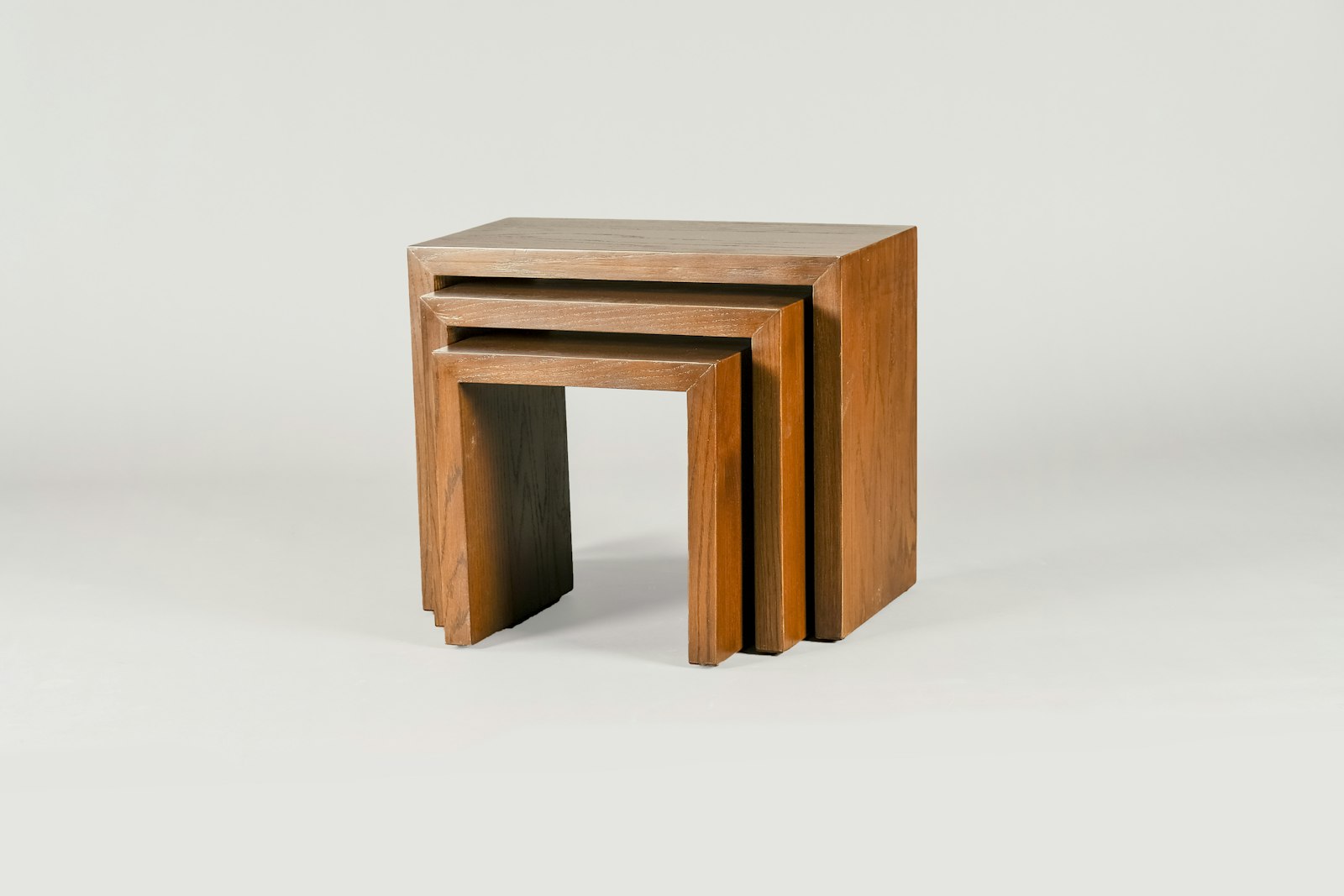
Two things fix it. Design for the box, and price the freight in from day one. Knockdown construction, nesting parts, and honest dimensions are design decisions, not afterthoughts, and they belong in the first sample.
Price for the direct from factory advantage
Traditional furniture retail is built on markup. Industry analysis from iEnhance and margin breakdowns from Asherfield put specialty and boutique furniture markups at roughly 100 to 300 percent over cost. A table that costs 150 dollars to build can sit on a showroom floor at 600.
That does not mean huge profits. iEnhance points out that after rent, sales staff, showrooms, and logistics, net margins in furniture retail often land at just 3 to 6 percent. All that markup gets eaten by the middle.
Direct from factory furniture is the entire opening. When you make the piece, skip the showroom, and sell straight to the person using it, you can price well under legacy retail and still keep a real margin. We broke down where that money goes in the true cost of retail markups. The demand is there too. ECDB pegged US furniture ecommerce at about 72.9 billion dollars in 2025, with online now taking 35 to 40 percent of furniture spending.
Launch to an audience, not a void
Furniture has a brutal problem for unknown brands. Nobody wants to spend 400 dollars on a table from a company they have never heard of. An audience solves that instantly. When people already trust your taste, a launch is a conversation with folks who were waiting for you to make something.
Oskar's numbers show the shape of it. His store did 50,000 dollars on day one and 150,000 dollars in two weeks, and he personally took home 34,000 dollars, close to two years of his old income teaching swim lessons. He went from 4,000 to 31,000 followers along the way. You do not need his exact reach. Ten thousand followers who trust your eye beat a million who do not care.
The hard part is the factory, not the idea
Ideas are cheap. Freight is annoying but solvable. The thing that stops most furniture brands is access to a factory that will build a small run of a strange new object at a fair price without demanding a huge minimum order.
Finding that factory alone is genuinely hard. Language, time zones, quality control from thousands of miles away, and the real risk of paying for samples that never turn into a usable product. There is a full map of the making side in how to manufacture furniture, but the honest summary is that the network is the moat.
This is the part No Logo exists to remove. Oskar submitted his sample, the pill bottle side table got built inside an established factory network, and the finished piece came back to him with no capital out of his pocket, no minimums, and no risk. The model is a flat 25 percent production margin, no upfront inventory, and you keep control of your brand and your pricing. You bring the idea and the audience, and the factory access, the sampling, the freight, and the customer support get handled. The full arc is in how erik oskr sold out a pill bottle side table.
The pill bottle started as trash on a curb. What you make next only has to start as a good idea and a willingness to see it through. If you have an object in your head that does not exist yet, start a project with No Logo and see what your first sample looks like.